How to Travel Between Marrakech and Fez: Tips & Options
Did you know the journey connecting these two imperial cities spans over 330 miles? That’s longer than the distance from New York City to Washington D.C.! This route forms one of Morocco’s most important travel corridors.
Marrakech and Fez stand as Morocco’s crown jewels, each pulsating with centuries of history. Many international visitors land in Marrakech, drawn by its vibrant energy. Yet the allure of Fez’s ancient medina often calls them northward.
Your journey between these legendary cities offers more than mere transportation. It’s a passage through the heart of Morocco’s diverse landscapes. You’ll witness everything from mountain ranges to sprawling plains.
Choosing your mode of transport becomes part of the adventure. Each option presents unique advantages for your itinerary. Whether you seek speed, scenery, or cultural immersion, there’s a perfect fit for your plans.
This guide will illuminate all available routes. You’ll gain insights into timing, costs, and what to expect. Prepare to make informed decisions for an unforgettable Moroccan experience.
Introduction to Your Marrakech and Fez Journey
Your adventure connecting Morocco’s imperial jewels is far more than a simple transit. It’s a passage through the heart of the country’s diverse landscapes and rich history. This trip connects two of the nation’s most important cities, each a unique world.
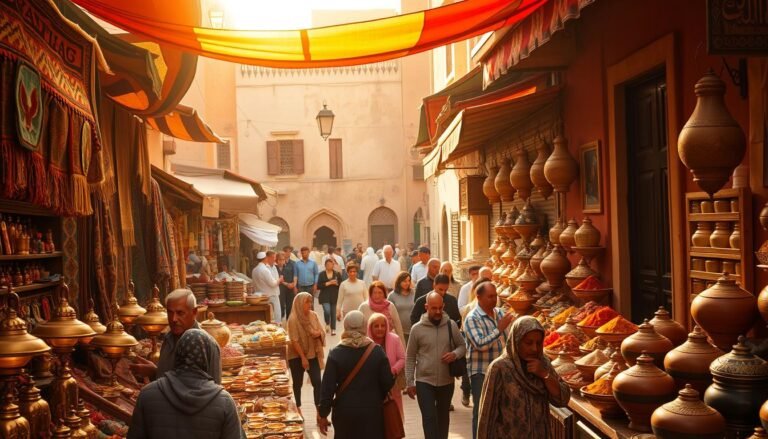
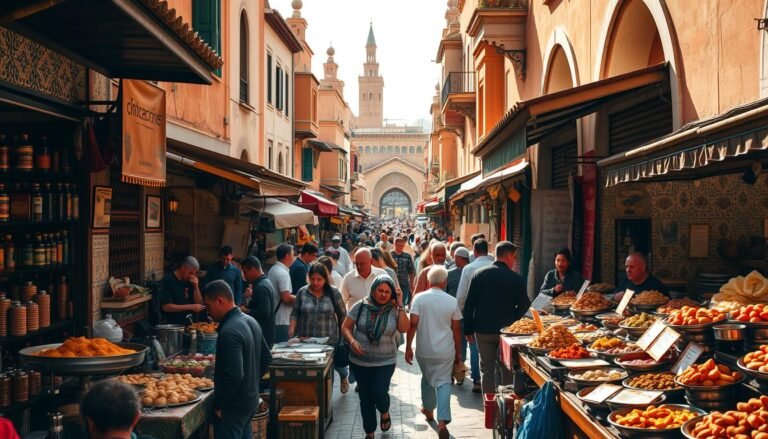
Marrakech immediately captivates you. Its vibrant souks and the endless energy of Jemaa el-Fnaa square create a colorful, cosmopolitan atmosphere. Here, ancient traditions blend seamlessly with modern comforts.
Fez offers a completely different feel. It transports you to another time with its exceptionally preserved medieval medina. The labyrinthine streets, where donkeys are still a common sight, feel like a step back into history.
The journey itself becomes an integral part of your Moroccan experience. You witness dramatic changes, from arid plains to lush valleys. This route follows ancient paths once used by traders and nomads.
Visiting both cities provides a beautifully contrasting travel experience. Including this route in a well-planned 10-day Moroccan itinerary exposes you to the diverse ethnic tapestry that makes the country a fascinating destination.
Overview of Transportation Options
Five distinct routes connect Morocco’s imperial hubs, each offering unique advantages for different types of travelers. Your choice depends on priorities like time, budget, and desired experience.
Desert Tour Highlights
A guided desert tour represents the most immersive way to experience this journey. This three-day adventure takes you through stunning landscapes.
You’ll explore the Sahara Desert, Atlas Mountains, and ancient kasbahs. The extended duration allows for deep cultural immersion beyond simple transit.
Comparing Air, Rail, and Road
Each transportation method offers distinct benefits. Consider your comfort preferences and travel style when selecting.
| Option | Duration | Cost (from) | Best For |
|---|---|---|---|
| Desert Tour | 3 days | €220 | Cultural immersion |
| Flights | 55 minutes | €30 | Time efficiency |
| Train | 7 hours | €20 | Comfortable scenery |
| Bus | 7.5 hours | €17 | Budget travel |
| Car Rental | 6 hours | €85 + tolls | Flexibility |
The road journey provides glimpses of rural Moroccan life that air travel misses. Your perfect option balances journey times with experience quality.
Essential Tips on How to Travel Between Marrakech and Fez
A few key preparations can make all the difference in your transit experience. Smart planning ensures your journey remains smooth and enjoyable from start to finish.
Booking in Advance
Make sure you secure your tickets early, especially during popular spring and fall seasons. First-class train seats and budget flights often sell out quickly.
When booking rail tickets online, select “Fes” as your destination using the French spelling. Avoid routes with Casablanca connections to save valuable time.
Flight prices range from €19 during off-peak periods to over €50 in busy seasons. CTM buses provide reliable daily service if you prefer road travel.
Staying Prepared for Local Conditions
Remember that transportation hubs sit outside city centers. You’ll need taxi transport to reach your final accommodation.
Morocco’s climate varies dramatically by season. Summers bring intense heat while winters can be quite cold, especially in mountainous regions.
If you plan stops along your route, research lodging options in advance. Remote areas like desert camps have limited availability.
Pack snacks, water, and layers for comfort during longer journeys. Allow extra time for potential delays that can occur.
Make sure you understand basic local customs and phrases. This enhances your entire trip experience significantly.
Desert Adventure: Scenic Routes and Experiences
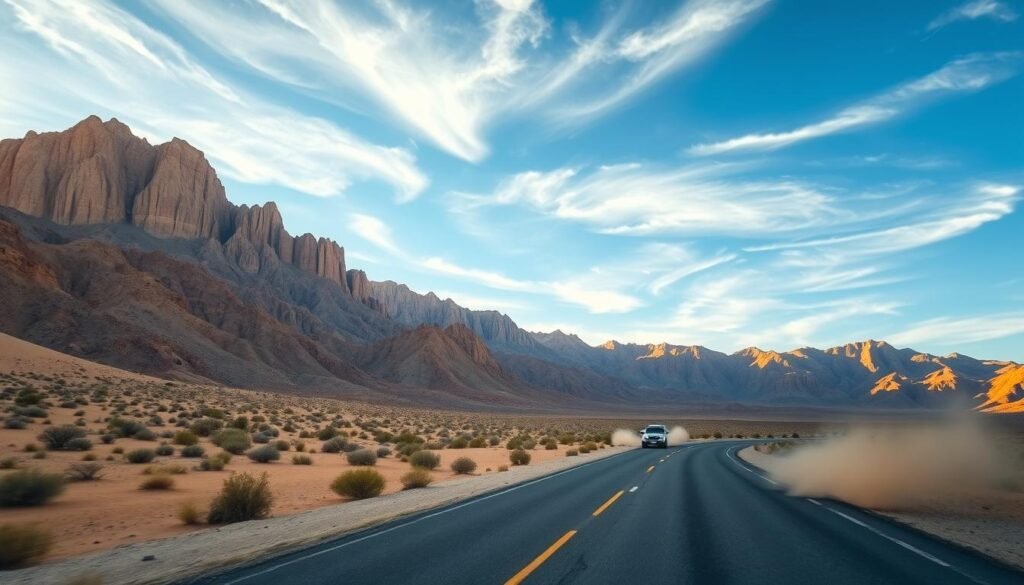
Embarking on a desert journey transforms your transit into an epic three-day exploration of Morocco’s most dramatic landscapes. This route covers over 1,500 km, revealing the country’s geographical diversity.
Your adventure begins with pickup from your accommodation. You’ll journey through the High Atlas Mountains via the Tizi n’Tichka pass. The mountain vistas provide breathtaking views few travelers experience.
Exploring Erg Chebbi and the Sahara
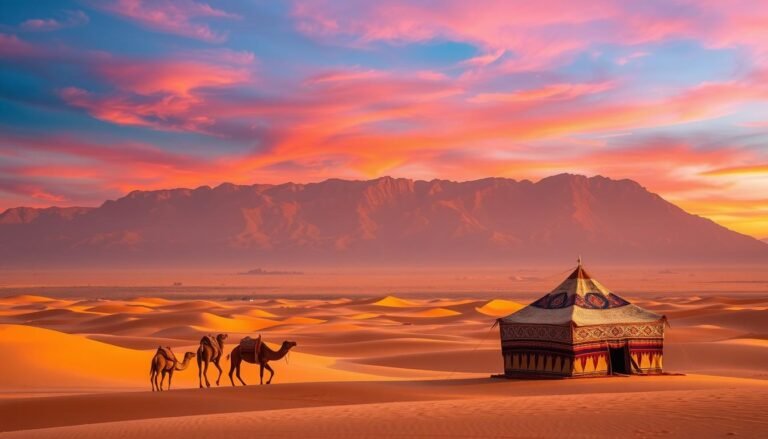
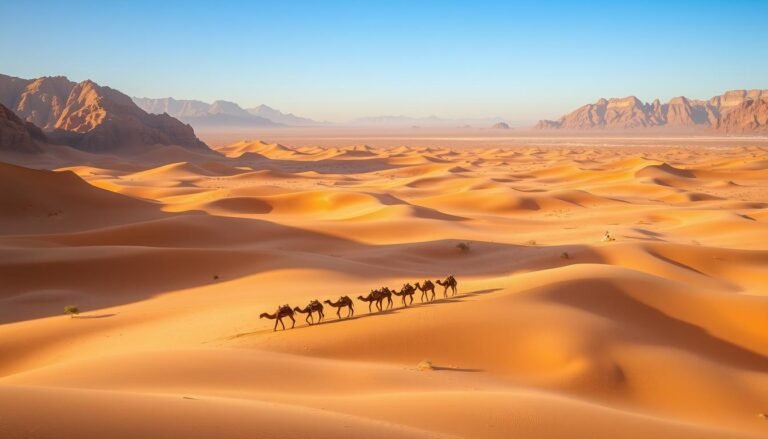
The second day brings you deeper into the desert regions. You’ll visit Todra Gorge with its 300-meter rock walls. The highlight comes at sunset with a camel trek into the Sahara desert.
You’ll spend the night in a traditional Berber camp under starry skies. The experience includes authentic cuisine and music around the campfire. Waking before dawn lets you witness a magical sunrise over Erg Chebbi’s dunes.
| Day | Key Highlights | Landscape Features |
|---|---|---|
| 1 | Ait Ben Haddou, Atlas Mountains | Mountain passes, UNESCO sites |
| 2 | Todra Gorge, camel trek, desert camp | Canyons, sand dunes, starry skies |
| 3 | Sunrise viewing, Middle Atlas forests | Desert sunrise, cedar forests, Barbary apes |
The final day takes you through cedar forests before arrival. This desert adventure creates memories that last long after your journey ends.
Flying High: Fast and Affordable Air Travel
Air travel transforms a multi-hour trip into a brief, comfortable flight high above the landscape. This is the fastest way to connect these historic hubs.
The actual flight takes just 55 minutes. You save many hours compared to ground transport. This gives you more time for exploration.
Airports and Ticketing Guidelines
Both Marrakech Menara (RAK) and Fez-Saïss (FEZ) airports are conveniently close to their city centers. You avoid long commutes.
Multiple daily flights operate on this route. Airlines include Royal Air Maroc and budget carriers. This offers great scheduling flexibility for your plans.
For a comprehensive look at all options, consult this detailed guide on this route.
Understanding Flight Durations and Costs
While quick, you miss the scenic landscapes seen on ground journeys. The trade-off is speed for experience.
Ticket prices are very competitive. They can be surprisingly low, especially when booked in advance.
| Booking Period | Typical Price Range | Best For |
|---|---|---|
| Off-Peak (Summer/Winter) | €19 – €25 | Budget-conscious travelers |
| Short Notice | Around €30 | Spontaneous trips |
| High Season (Spring/Fall) | €50+ | Peak period travel |
Arrive at the airport at least one hour before your domestic flight. Factor in travel time to and from each city center as well.
On the Rails: Exploring Moroccan Train Journeys
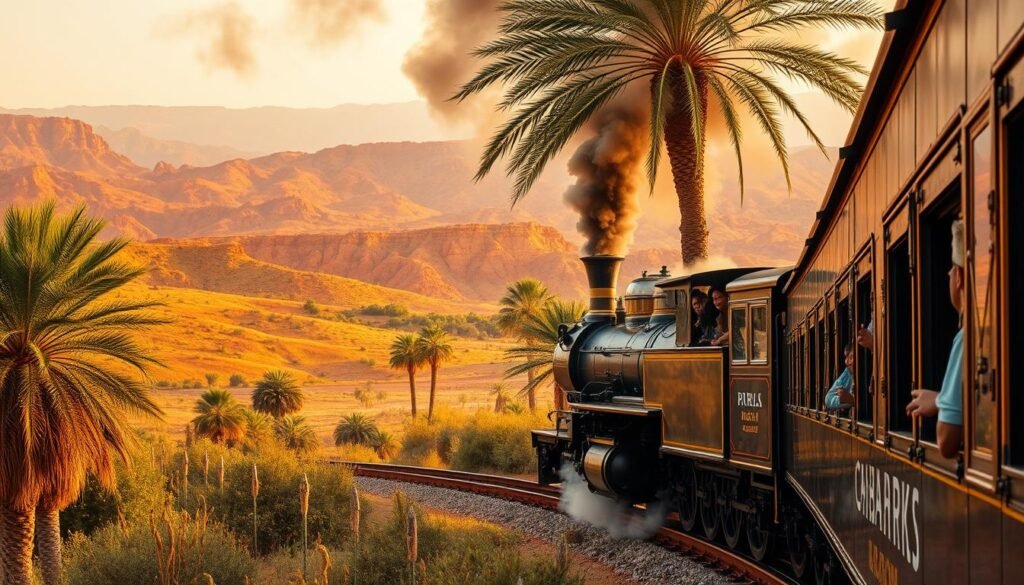
Riding the rails offers a uniquely Moroccan experience that combines comfort with authentic local flavor. The approximately seven-hour journey lets you relax while watching the countryside unfold.
Seating Options and Comfort Levels
Morocco’s modern train system provides two main classes. First-class tickets cost €30 and offer reserved seating in six-person compartments.
You’ll enjoy air conditioning and more personal space. During off-peak times, you might have an entire compartment to yourself.
Second-class tickets are more economical at €20. However, seating isn’t reserved, so these trains can become crowded during peak seasons.
How to Book and What to Expect
Book tickets online through the ONCF website. When searching, use “Fes” as your destination using the French spelling.
Avoid routes requiring transfers in Casablanca to save time. The journey takes about seven hours with departures every two hours.
Both stations sit outside city centers. Factor in taxi transport to reach your final accommodation.
This way to travel offers reliability and cultural immersion. You’ll share the experience with local passengers, making the journey itself part of your adventure.
Budget-Friendly Alternatives: Bus and Rental Car Options
If you’re seeking maximum value from your transit, consider the road less traveled by buses or the freedom of your own rental car. These choices put you directly on the highway, offering a different perspective of the country.
Overnight Bus Advantages
Choosing a night bus is a smart move for budget-savvy explorers. The journey takes about seven and a half hours. You save on a day of travel time and a night’s accommodation.
CTM offers reliable service with a convenient overnight departure. It leaves around 1:45 AM and arrives in the morning. You wake up ready to explore a new city.
Flexibility of Self-Drive Trips
Renting a car gives you ultimate command over your route. You can drive at your own pace and make spontaneous stops. The road trip takes approximately six hours on modern highways.
This option is perfect for small groups. You can split the cost of the rental and tolls. Be prepared for a unique driving experience, as detailed in this Morocco public transportation guide.
| Option | Travel Time | Approx. Cost | Key Consideration |
|---|---|---|---|
| Overnight Bus | 7.5 hours (overnight) | From €17 | Station in Fez is 5 km from medina |
| Rental Car | 6 hours (day) | €85 + €20 tolls | Requires confidence with local driving customs |
Both methods connect you deeply with the landscape. Your choice depends on your budget and desire for independence.
Cultural and Scenic Highlights Along the Way
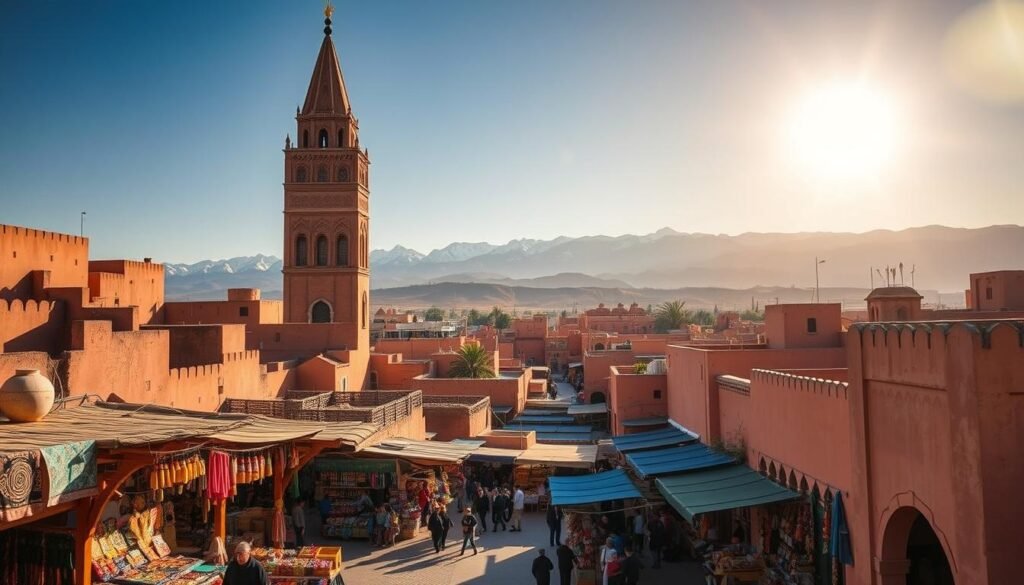
Beyond mere transportation, this journey immerses you in dramatic scenery and ancient heritage sites. The route reveals Morocco’s most spectacular natural and cultural treasures.
You’ll encounter landscapes that have captivated travelers for centuries. Each stop offers unique insights into the country’s rich history.
Visiting UNESCO World Heritage Sites
Ait Ben Haddou stands as a crown jewel among UNESCO World Heritage locations. This ancient fortified village showcases traditional earthen architecture dating back over 1,000 years.
The site has served as a filming location for numerous Hollywood productions. You’ll recognize scenes from Game of Thrones and Gladiator as you explore.
Discovering Atlas Mountains and Desert Vistas
The Atlas Mountains present breathtaking panoramas throughout your journey. The Tizi n’Tichka pass reaches over 2,260 meters, offering spectacular views.
Further along, the Todra Gorge features 300-meter rock walls that create a stunning natural canyon. This area provides welcome shade from the desert heat.
| Highlight | Type | Notable Feature |
|---|---|---|
| Ait Ben Haddou | UNESCO World Heritage Site | Ancient fortified village |
| Todra Gorge | Natural Wonder | 300-meter rock walls |
| Tizi n’Tichka Pass | Mountain Route | Highest road pass in North Africa |
| Erg Chebbi Dunes | Desert Landscape | 150-meter golden sand dunes |
Planning Your Itinerary: Time Management and Must-See Stops
Smart itinerary planning transforms your Moroccan adventure from rushed to remarkable. Choosing the right time of year and strategic stops makes all the difference.
Optimal Travel Times and Stops
Spring (March-May) and autumn (September-October) offer ideal conditions. You avoid extreme summer heat and cold winter mountain conditions.
Each day of your journey should include planned stops. The town of Zaida in Midelt province provides authentic dining experiences.
Local Accommodation and Dining Tips
Your accommodation choices enhance cultural immersion. Consider traditional riads, kasbahs, or luxury desert camps.
Many hotel options offer spectacular view opportunities. Rooftop terraces provide unforgettable sunset view experiences.
| Accommodation Type | Best For | Booking Tip |
|---|---|---|
| Desert Camps | Unique Experience | Book months ahead |
| City Riads | Cultural Immersion | Confirm exact location |
| Mountain Kasbahs | Scenic Views | Check road access |
Navigating Road and Rail Safety
Allow extra time for your route. Moroccan roads often move slower than Western highways.
Consider using a reputable tour company like Morocco Explored. They handle logistics for a stress-free experience.
Keep accommodation details accessible. Addresses in medinas can be confusing to find.
This planning approach works perfectly for a comprehensive morocco 10-day itinerary. Your home away from home should offer comfort after each day of exploration.
Your Ultimate Marrakech to Fez Travel Road Map
This legendary path between ancient capitals reveals Morocco’s true character mile by mile. Your trip covers a significant distance but delivers an experience far beyond simple transit.
The route takes you through all three Atlas Mountains ranges, with the High Atlas creating a spectacular backdrop. You’ll witness landscapes found nowhere else in the world.
Whether you choose a quick flight or a multi-day tour through the Sahara Desert, each way to travel offers unique advantages. Strategic stops in mountain towns enrich your journey.
Looking back from home, memories of this adventure often resonate as deeply as the cities themselves. Partner with a reputable company for a seamless experience.