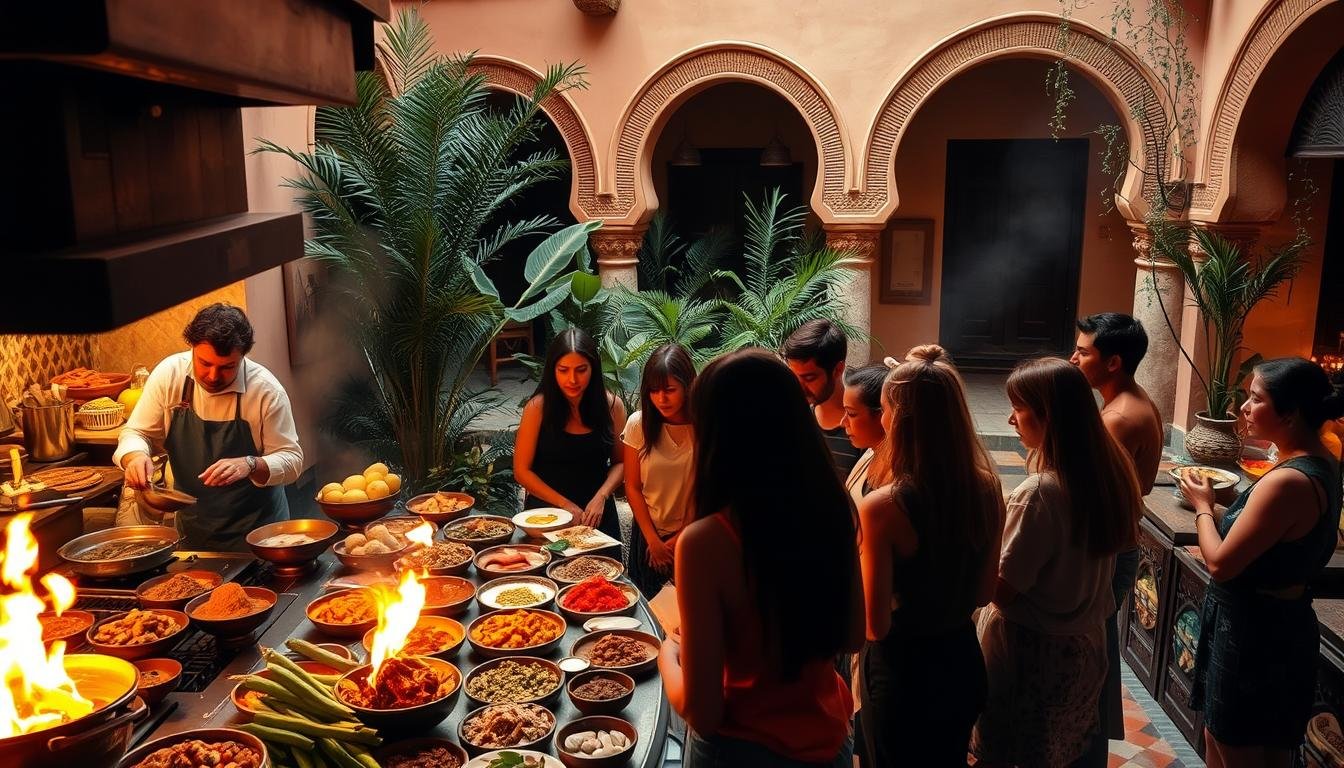
Discover Traditional Moroccan Cooking Class in Marrakech
Did you know that over 90% of travelers who participate in a hands-on culinary activity report it as the highlight of their trip? There’s something incredibly powerful about learning to prepare a meal the way locals do.
Imagine the vibrant colors of spices, the scent of fresh herbs, and the warmth of a shared kitchen. This is more than just a lesson; it’s a journey into the heart of a culture.
You get to touch, smell, and taste your way through the process. It connects you to a place in a way that simply sightseeing cannot.
Whether you’re a confident home chef or have never boiled water, these sessions are designed for all skill levels. The focus is on fun, discovery, and creating something delicious together.
You will learn the stories behind the dishes. These are recipes passed down through generations. It’s a chance to bring a truly authentic piece of your travels back home with you.
For an unforgettable culinary experience, you will create memories that last long after the final bite. Get ready to engage all your senses.
Welcome to the World of Moroccan Cuisine
Ever wonder why the food from this North African nation tastes so unique? The answer lies in a rich history of cultural exchange.
For over a thousand years, this regional food has evolved. It blends Berber, Arab, Andalusian, and French influences. This creates a culinary identity that is both complex and deeply inviting.
A Taste of Tradition and Culture
This isn’t just about eating. It’s about a way of life centered on hospitality. The ceremonial serving of mint tea to guests is a perfect example.
Ancient Berbers in the desert developed clever methods to cook with limited resources. These techniques, like using a tagine pot, are still vital today.
Why Moroccan Flavors Captivate You
The flavors are a direct result of ancient spice routes. Ingredients like saffron, cumin, and cinnamon found a home here.
Chefs master the art of balancing these spices. The goal is to create dishes that are both comforting and exciting.
Meals are often shared from a central plate. This practice highlights values of generosity and community.
| Spice | Flavor Profile | Common Use |
|---|---|---|
| Cumin | Earthy, Warm | Tagines, Kefta |
| Paprika | Sweet, Smoky | Marinades, Rubs |
| Cinnamon | Sweet, Woody | Pastries, Tagines |
What to Expect From Your Hands-On Cooking Experience
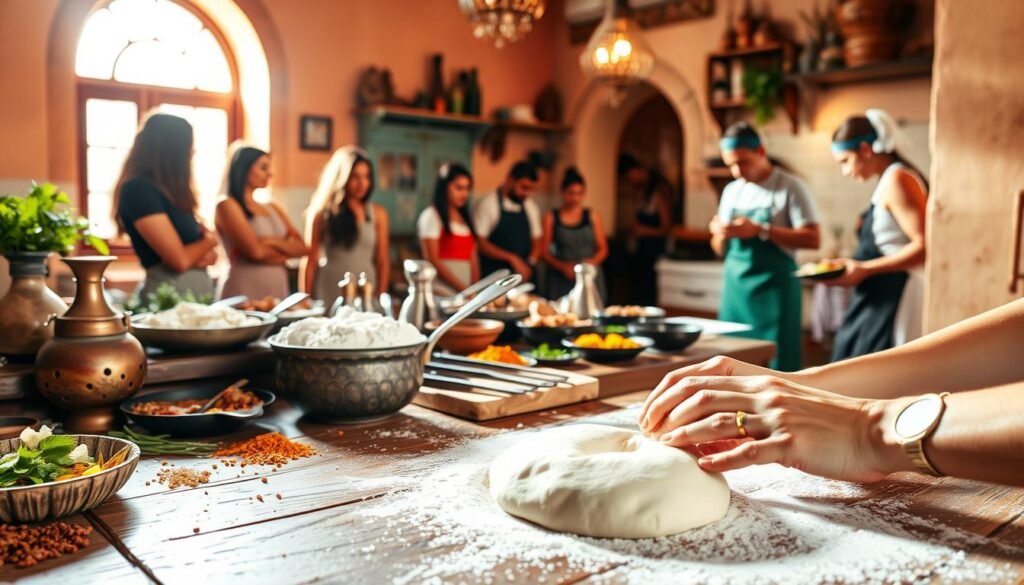
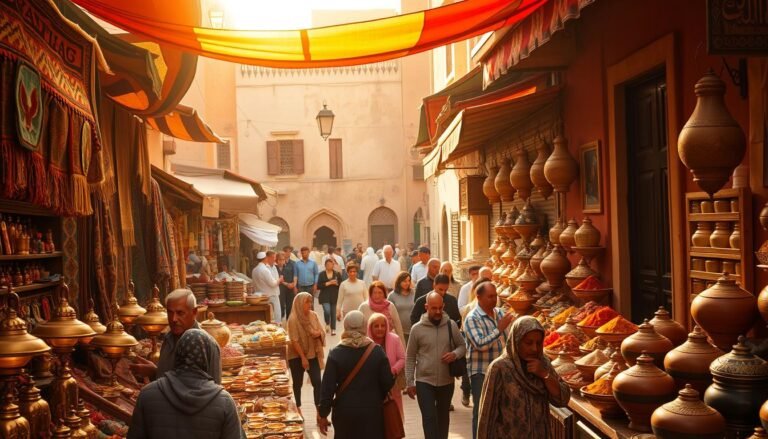
Your adventure begins with a sensory journey through the vibrant Marrakech medina. Accompanied by an expert guide, you’ll navigate the lively market stalls. This initial exploration is a core part of the cooking experience.
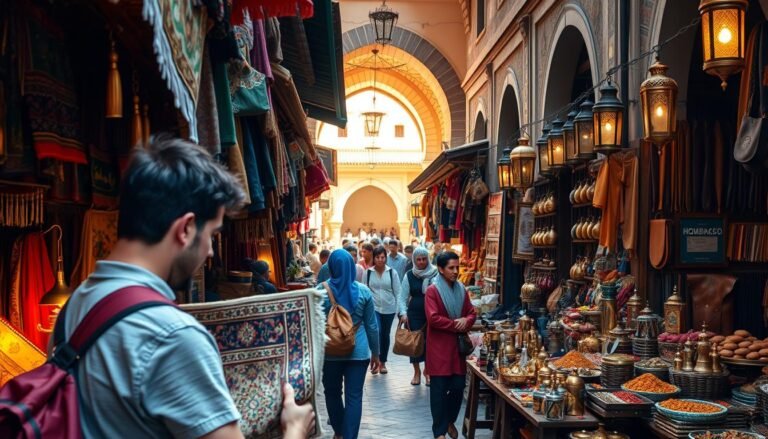
You will learn to select the freshest ingredients firsthand. Discover how to choose ripe vegetables and identify essential spices. The guide will even share tips for haggling confidently with local vendors.
Exploring the Bustling Medina and Market Visits
Wandering the maze-like souks is an experience in itself. You’ll see colorful displays and breathe in the fragrant air. This part of your trip immerses you in the local culture before you even step into the kitchen.
Interactive Lessons in a Home-Style Kitchen
After the market, you’ll move to a welcoming, home-style setting. This class is designed for active participation. You will prepare ingredients from scratch, following each step carefully.
The atmosphere is friendly and supportive. Instructors provide individual attention throughout the session. You’ll have your own workspace with all necessary tools. This hands-on cooking experience ensures you gain practical skills.
The entire class is structured to be engaging and informative. You’ll spend time learning techniques and then enjoy the delicious results of your work.
The Role of Authentic Tools and Fresh Ingredients
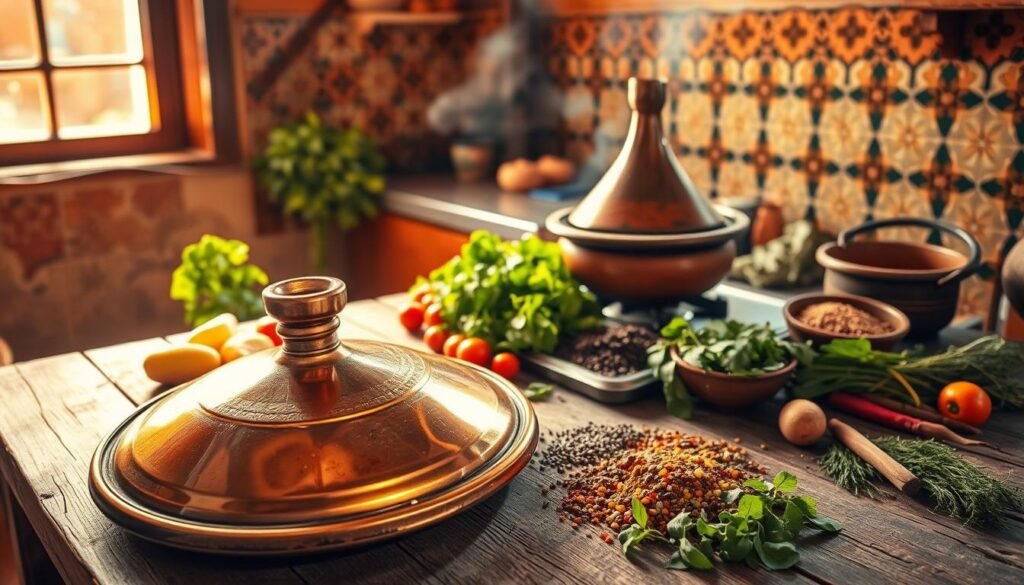
What transforms simple ingredients into extraordinary meals is the careful selection of implements and components. The right equipment makes all the difference in flavor development.
At the heart of this culinary approach lies the iconic earthenware pot. This ingenious design features a conical lid that traps steam perfectly.
Using Traditional Tagines and Spices
The word “tagine” comes from the Berber term for shallow earthen pot. For over a thousand years, this specialized cooking vessel has been essential.
You’ll discover that tagine cooking is a gentle process requiring minimal water. This technique originated in arid regions where resources were scarce.
The spices are the soul of every dish. You’ll work with complex blends like Ras El Hanout, which can contain up to 36 different spices.
Every skilled chef creates their own signature blend. Balancing flavors is crucial—too much cumin overpowers, while saffron adds luxurious depth.
You’ll learn about preserved lemons, a cornerstone ingredient. These citrus gems take months to cure but transform ordinary meals.
Understanding how to make preserved lemons reveals the patience behind great flavors. Fresh herbs like cilantro and mint add brightness when used strategically.
Practical techniques include the saffron-squishing trick that releases maximum flavor. This method also leaves your hands smelling incredible.
All professional tools are provided during sessions. For a wonderful family experience, you’ll have everything needed to create memorable meals.
Fresh herbs play crucial roles when added at the right times. Some provide depth early on, while others offer freshness at the end.
Benefits of a Traditional Moroccan Cooking Class in Marrakech
The true value of a culinary workshop extends far beyond the delicious meal you create. You gain practical skills, deep cultural knowledge, and memories that will last a lifetime. This experience is designed to be rewarding for everyone.
Step-by-Step Guidance From Local Chefs
You receive clear, patient instruction from experts like Chef Laila. With over 30 years of professional experience, she provides practical tips you can use in your own home kitchen. The entire course is a step-by-step journey.
Instructors move around the room to offer individual feedback. They ensure you master each technique with confidence. This personal attention makes the experience supportive and highly effective.
Learning Secret Techniques and Flavor Balances
Your chef will share generational secrets during the cooking session. Learn tricks to make vegetables extra tasty and proper marinading methods. These are the details that make dishes truly special.
You will understand how to achieve the perfect spice balance. This knowledge is the heart of the cuisine. After the class, you receive detailed PDF recipes via email or WhatsApp.
This allows you to recreate every dish and continue your culinary adventure at home. The entire experience is accessible, requiring no prior skills. It’s a fun, encouraging atmosphere where everyone succeeds.
Exploring Diverse Moroccan Dishes and Techniques
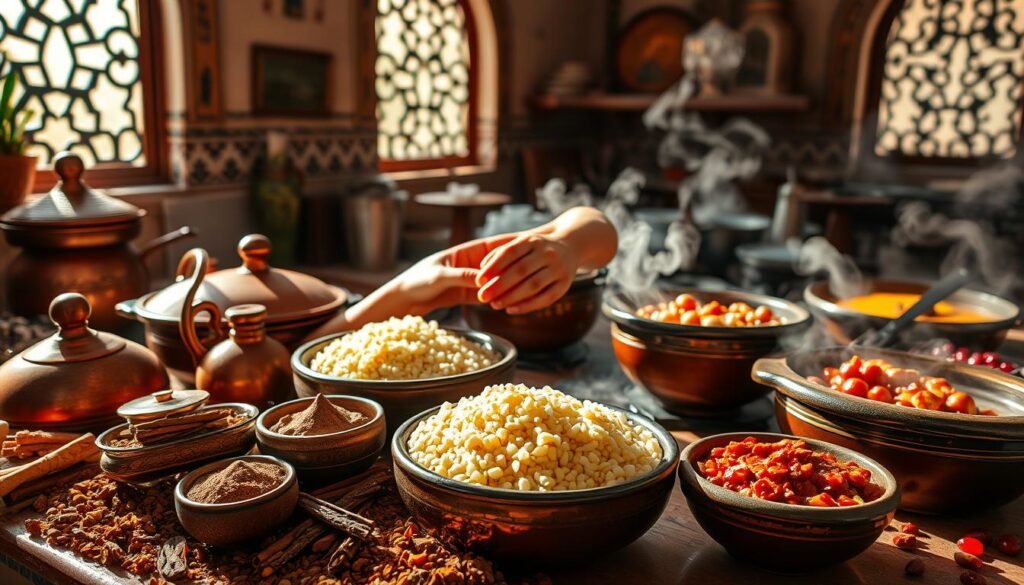
The real magic happens when you discover the incredible range of dishes beyond the famous tagine. Your session becomes a complete culinary adventure through different cooking methods and flavors.
From Tagine to Pastry: A Culinary Adventure
While the tagine dish often takes center stage, you’ll master several complementary creations. These work together to form a complete feast. You gain a true understanding of how meals are structured.
Many sessions include preparing chicken tagine with preserved lemons and olives. This classic combination creates tender meat that falls off the bone. The sauce reduces to a rich, flavorful coating that defines proper tagine cooking.
Vegetarian options showcase how this cuisine makes vegetables shine. You might prepare zaalouk, a smoky eggplant and tomato dip. Berber salads with fresh produce demonstrate simple yet brilliant combinations.
The pastry techniques are particularly special. Some workshops teach hand-made filo dough creation. This wonderfully tactile experience connects you directly to centuries of baking tradition.
Sweet pastries like pastilla demonstrate the perfect balance of flavors. Layered filo contains custard, almonds, and cinnamon. The result is light, delicate, and not overly sweet.
You’ll work with diverse cooking methods beyond tagine cooking. These include grilling vegetables, kneading dough, and mixing spice pastes. Menus often adapt seasonally and for dietary needs, ensuring everyone enjoys equally delicious food.
Immersing Yourself in Moroccan History and Culture
What makes this experience special is understanding how necessity shaped these timeless cooking methods. You’re not just learning recipes—you’re connecting with a thousand years of culinary heritage.
The Legacy of Ancient Cooking Methods
The techniques you’ll practice have ancient roots. Over a thousand years ago, North African Berbers developed ingenious ways to prepare food in the desert.
They created meals using minimal water and fuel. This practical approach turned humble ingredients into delicious dishes.
Tagines were originally peasant food. Slow cooking made cheaper cuts of meat tender and flavorful.
This method remains a vital part of daily life. Families still prepare tagines using the same principles.
During your culinary adventure, you’ll discover how history influenced the cuisine. The fusion of Berber, Arab, Andalusian, and French cultures created something unique.
You might visit community ovens in the medina. There, bread is baked using techniques unchanged for centuries.
Learning about tea ceremony traditions adds depth. Food and hospitality are deeply connected in this culture.
Every dish tells a story of adaptation and creativity. You’re participating in a living history that continues to evolve.
The Vibrant Atmosphere of Marrakech Cooking Classes
One of the most rewarding parts of your day is the sense of community that fills the room. You’ll find yourself working alongside food lovers from around the globe, all sharing the same curiosity and appetite for discovery.
These sessions create natural opportunities for connection as you prepare ingredients together. You’ll share techniques, laugh over small mistakes, and celebrate successes throughout the entire experience.
Connecting With Fellow Food Enthusiasts
The social highlight comes when you sit down to enjoy the feast you created together. This communal meal becomes a time for swapping travel stories and exchanging contact information with new friends.
Group sizes vary to match your preference. Some intimate sessions have just 3-4 participants, while others accommodate larger groups up to 21 people. This lets you choose between a personal or more social cooking class.
The settings themselves contribute to the wonderful atmosphere. You might find yourself in a cozy home kitchen, a beautiful riad courtyard, or a tranquil garden surrounded by olive trees.
Throughout the day, relaxed breaks for mint tea allow for conversation while your dishes simmer. The pacing feels natural—there’s time to learn, cook, rest, and savor your meal without feeling rushed.
Many describe the environment as having “a real buzz” of excitement. The combination of learning, fragrant spices, and anticipation makes the entire experience fly by. Families will find most venues warmly welcome children, creating lasting memories for all ages.
Embark on Your Authentic Moroccan Culinary Journey
The investment you make in a hands-on culinary session pays dividends that extend far beyond your time in Morocco. With prices ranging from €30-£40 per person, you receive incredible value. You get over four hours of instruction, market visits, and a multi-course meal you’d pay for in a fine restaurant.
By the end of your class, you’ll have detailed recipes sent to your phone. You gain practical skills for your home kitchen and cultural insights that deepen your appreciation. Many workshops even provide your own tagine to continue the adventure.
Top options like La Maison Arabe offer professional facilities near the Atlas Mountains. Don’t wait to book your spot—this experience consistently ranks among travelers’ favorite things in Marrakech. You’ll create memories and skills that last long after your trip ends.