How to Plan Your Morocco Trip on Any Budget: Currency Tips Included
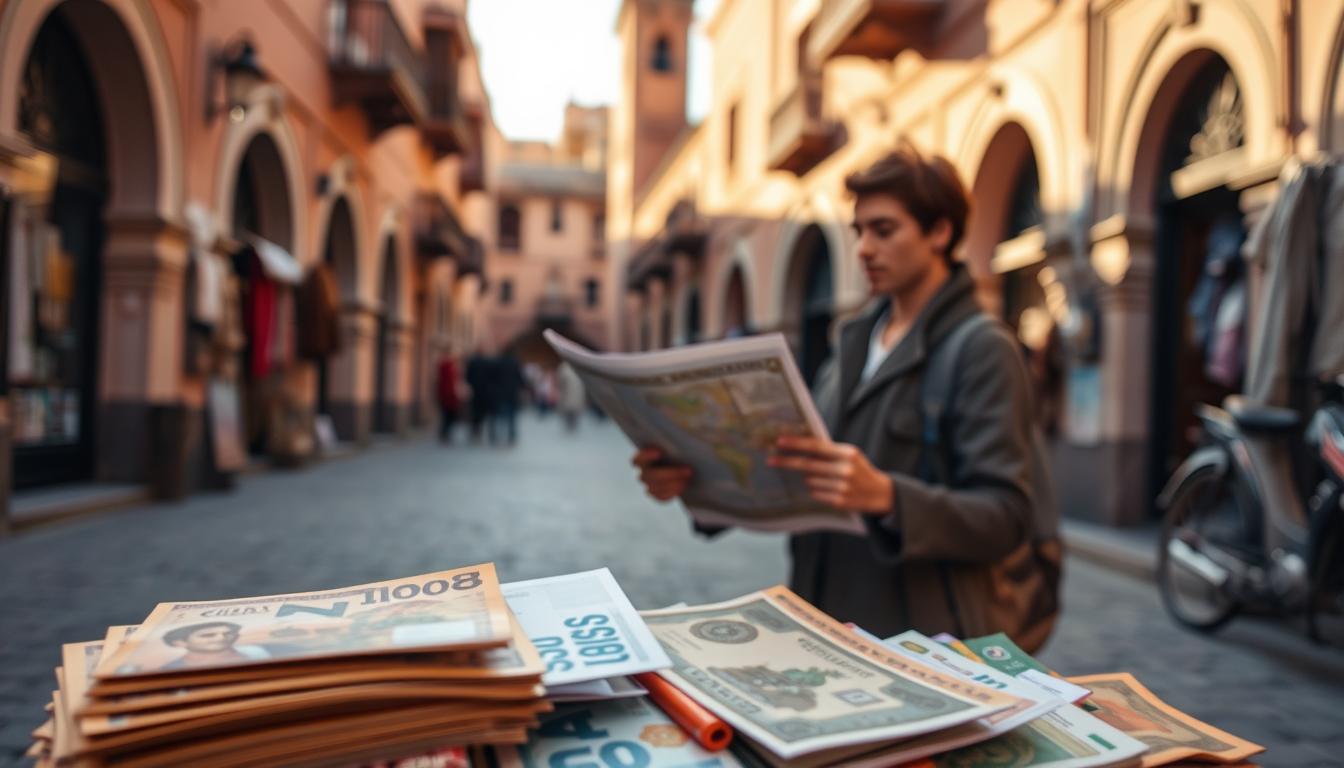
Did you know that many travelers to this North African nation lose a significant portion of their spending power before they even see their first market? It’s a startling fact, but it doesn’t have to be your story.
You’re about to embark on an incredible journey. Understanding how money works in this fascinating country will save you from frustration and unexpected losses during your trip.
Planning your adventure requires more than just booking flights and hotels. You need to grasp the unique financial landscape. This guide will walk you through everything from understanding the local system to finding the best exchange rates.
Whether you’re on a shoestring budget or planning a luxury getaway, knowing how to handle your money will help it flow in the right direction. You’ll discover Moroccan Currency Tips for any budget level.
By the time you finish reading, you’ll have the confidence to navigate your finances like a seasoned explorer. This knowledge lets you focus on experiencing vibrant markets and rich culture without constant worry.
Navigating Your Trip Budget: Setting Expectations
Understanding daily expenses beforehand can transform your journey from stressful to seamless. Your spending patterns will define your experience more than you might expect.
Assessing Your Daily Costs and Spending Patterns
Before you pack your bags, establish realistic expectations about your daily money needs. Your travel style greatly influences how much you’ll spend each day. Budget-conscious travelers can stretch their funds further than those seeking luxury.
Track your spending during the first few days to adjust your budget in real time. This approach helps you make informed choices about where to splurge and save. You’ll avoid running out of funds midway through your travels.
Budget-Friendly Accommodation and Dining Options
Accommodation price points vary widely based on your preferences. You can find comfortable stays ranging from budget-friendly to premium options. The cost difference is often substantial.
When it comes to meals, local eateries offer incredible value. Street food and neighborhood restaurants provide authentic experiences without breaking the bank. Upscale dining will understandably cost more per meal.
Factor in entrance fees, tips, and souvenir money. Having a buffer for unexpected expenses ensures you won’t miss memorable opportunities. Smart allocation of your money makes every dollar count toward enhancing your adventure.
Understanding Moroccan Currency Tips Landscape
Getting familiar with the local payment ecosystem will dramatically improve your shopping and dining experiences. The way transactions work here follows different patterns than you might expect.
You’ll notice that physical money dominates daily life. This affects everything from market purchases to transportation. Understanding this system helps you plan better.
Cash-Driven Transactions vs. Electronic Payments
Most daily interactions require physical cash. Street vendors, taxis, and small shops typically don’t accept electronic payments. You’ll need bills for these common expenses.
Major hotels and established stores do take credit cards. However, some vendors add fees when you use plastic. This makes cash more economical for many purchases.
| Payment Method | Acceptance Level | Best For | Potential Fees |
|---|---|---|---|
| Cash | Widespread | Markets, taxis, small shops | None |
| Credit Card | Limited | Hotels, larger stores | 5-10% surcharge possible |
| Debit Card | Limited | ATM withdrawals | Bank fees may apply |
Cultural Insights on Money Management
Market transactions often involve friendly negotiation. Having small bills makes this process smoother. Vendors appreciate exact change.
Carry different bill sizes for flexibility. Rural areas have limited electronic options. Planning your money needs prevents stressful situations.
This approach to money reflects local traditions. Embracing it enhances your cultural experience. You’ll feel more connected to daily life.
Morocco Currency Exchange
Your first financial decision upon arrival involves choosing where to obtain local money. The local monetary unit is a closed system, meaning you can only get it within the country’s borders. This makes your choice of conversion points crucial for getting the best value.
Reliable Exchange Points: Banks, ATMs, and Bureaus
You have three main options for converting your funds. Each offers different benefits for your needs. Banks provide the most secure transactions with consistent government-controlled rates.
ATMs connected to financial institutions are widely available in urban and tourist areas. They offer convenience and often competitive conversion terms. Bureau de Change offices provide face-to-face service with transparent rate displays.
What to Look for in Official Exchange Rates
When you see rate boards, understand they show the baseline conversion. The actual rate you receive will be slightly lower. This accounts for the service provider’s operating costs.
For example, if the displayed rate is 8.92 MAD per USD, you might receive 8.74 MAD. Banks might offer 8.69 MAD per USD. These small differences add up over larger transactions.
Always compare rates between different providers. Look for clear fee disclosures. This ensures you get the fairest deal possible for your money conversion needs.
Decoding Exchange Rates and Hidden Fees
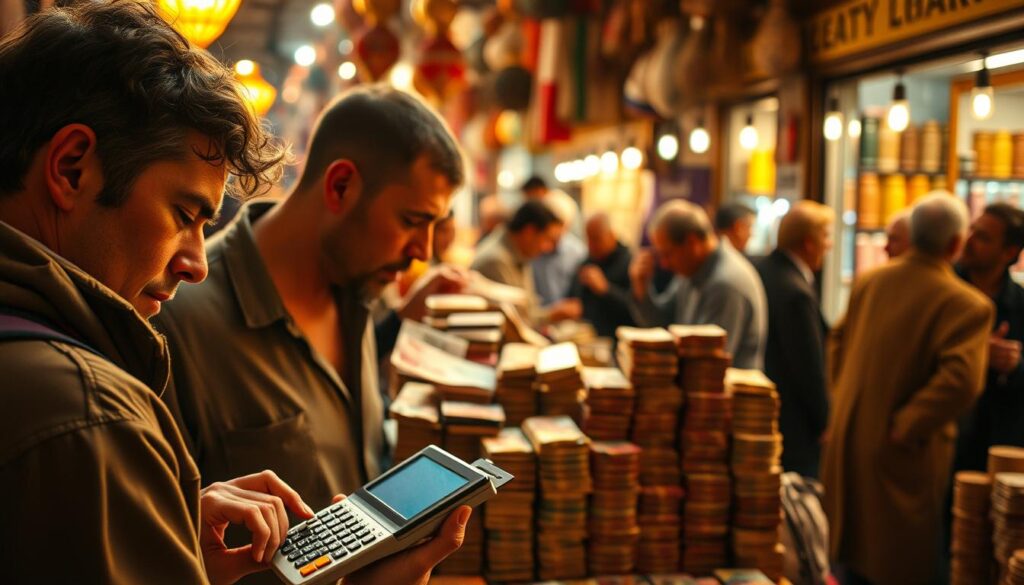
When you look at exchange rate boards, what you see isn’t always what you get. The displayed numbers represent the official exchange rate, but your actual conversion will be different. This difference is how providers make their profit.
Comparing Local Versus Official Exchange Rates
You’ll notice a gap between advertised and actual rates. For example, when the official exchange rate shows 8.92 MAD per USD, a bureau might give you 8.74 MAD. A bank might offer 8.69 MAD on the same day.
These variations are normal business practice. Providers build their margin into the conversion rather than charging separate commission fees. The differences seem small but add up with larger amounts.
| Exchange Point | Typical Rate Offered | Hidden Costs | Best For |
|---|---|---|---|
| Bureau de Change | Slightly below official rate | Built into rate difference | Quick transactions, tourist areas |
| Local Bank | Lower than bureau rate | Possible service charges | Security, larger amounts |
| ATM | Varies by bank | Foreign transaction fees | Convenience, small withdrawals |
Understanding Additional Transaction Fees
Beyond the rate difference, watch for extra fees. Some locations charge service fees on top of the conversion rate. Your home bank may also add international transaction fees.
Always read signs carefully at exchange points. Look for disclosures about commissions or service charges. Ask about any additional fees before completing your transaction.
Smart travelers compare options upon arrival. Checking multiple locations helps you find the best value. Understanding these fees protects your travel budget effectively.
Using ATMs and Card Options in Morocco
Modern banking options provide convenient ways to manage your travel budget while abroad. You’ll find plenty of machines available throughout the country.
Most financial institutions have at least one machine on their premises. This makes accessing cash straightforward during your travels.
Tips for Secure ATM Withdrawals
Before your trip, notify your bank about your travel plans. This prevents your card from being blocked for suspicious activity.
Many banks let you set this notification online. It’s a simple step that saves potential headaches.
When you approach a machine, you’ll find English language options. The interface is user-friendly even if you don’t speak local languages.
Always decline the ATM’s currency conversion offer. Your debit card typically provides better rates than the machine’s built-in service.
Understanding basic terminology helps too. Select “Current Account” when prompted – this means checking account.
How to Utilize Credit and Debit Cards Effectively
Withdrawal limits vary between different banks. Some machines allow 2,000 MAD per transaction while others permit up to 8,000 MAD.
You can often make multiple withdrawals daily. This flexibility helps you manage your cash needs effectively.
Most machines charge a transaction fee between 30-35 MAD. However, Poste Maroc – Al Barid Bank reportedly doesn’t charge these fees.
Your home bank might add international transaction charges. Consider institutions like Charles Schwab that reimburse ATM fees monthly.
This approach significantly reduces your overall banking costs during travel.
Optimizing Currency Conversion Tools and Apps
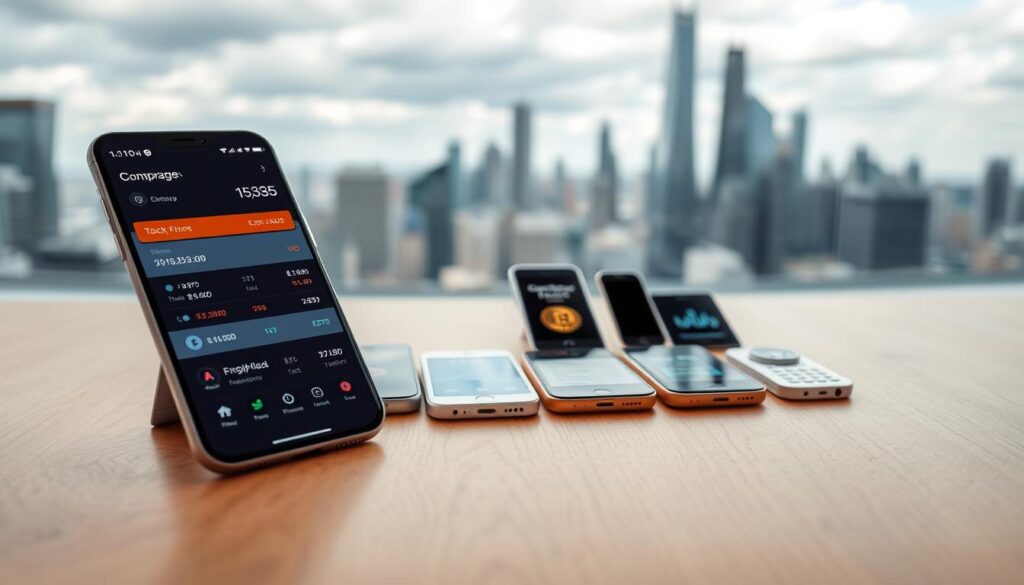
Technology now puts powerful financial tools right in your pocket, transforming how you manage funds during international travel. Digital platforms offer real-time control over your financial needs.
Leveraging Mobile Apps for Up-to-Date Rates
Applications like Revolut provide immediate access to current market conditions. You can monitor fluctuations throughout the day and convert when rates are most favorable.
These tools send alerts when your desired conversion level becomes available. This proactive approach maximizes the value of every transaction you make.
| Tool Type | Rate Accuracy | Fee Structure | Best Use Case |
|---|---|---|---|
| Mobile Banking Apps | Real-time market rates | Low transparent fees | Daily monitoring and conversions |
| Multi-Currency Platforms | Live interbank rates | Minimal markup | Holding multiple currencies |
| Traditional Exchange Points | Less favorable rates | Hidden fees common | Emergency cash needs only |
Benefits of Using Multi-Currency Accounts
Maintaining various monetary units in one account offers remarkable flexibility. You can hold USD and MAD simultaneously, converting between them instantly.
This approach eliminates the stress of timing perfect conversion moments. You maintain balances in different currencies ready for immediate use.
The convenience of viewing all your holdings at a glance simplifies financial management. Your account becomes a centralized hub for global monetary needs.
Exchanging Money at Airports and Banks
Stepping off the plane, you’ll face your first money management choice right in the terminal. The baggage claim area at major hubs like Marrakech features convenient exchange offices for immediate access to local funds.
Decoding Airport Exchange Challenges
Airport services offer convenience but often at a cost. While perfect for obtaining initial cash for taxi fares and tips, they’re not ideal for large amounts. The rates here tend to be less favorable than what you’ll find elsewhere.
If you arrive when the airport office is closed, don’t worry. Many hotels can handle your money needs temporarily. Just exchange enough to cover your first day’s expenses.
Selecting the Best Local Banks and Exchange Bureaus
For better value, visit local banks once you’ve settled in. Financial institutions throughout towns typically offer more competitive rates. Large hotels and banks operate under the same government-controlled system.
Always carry your passport when visiting exchange locations. Identification is required for all official transactions. Comparing a couple of banks can help you find the best deal for your money.
Smart travelers exchange small amounts at the airport—around $50-100—then visit a bank later for larger sums. This strategy maximizes your spending power throughout your trip.
Managing Money on the Road: Safety and Practical Tips
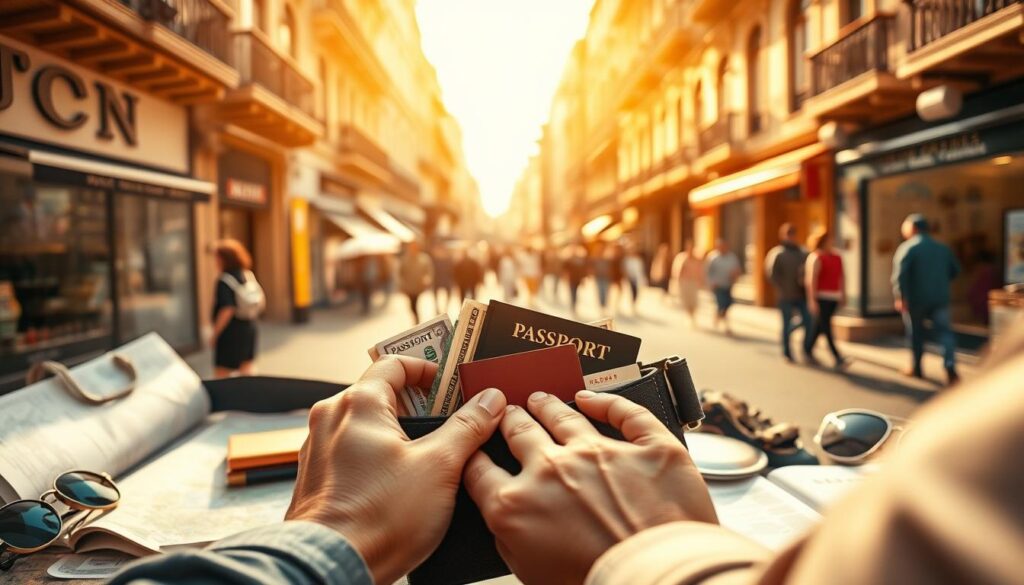
Your financial security on the road depends on combining practical precautions with everyday awareness. Simple habits can protect your funds from both legitimate charges and potential risks.
Preventing Unexpected Fees and Scams
Always make sure to bring clean, newer bills when traveling. Many exchange locations refuse notes with tears or heavy markings. US dollars printed before 2005 might not be accepted.
Keep in mind that you’ll need your exchange receipts to convert leftover local funds when departing. Store them safely throughout your trip.
Unexpected fees can appear from multiple sources. Your home bank may charge international transaction costs. ATMs might add surcharges. Some merchants increase prices for tourists.
To avoid scams, make sure to count your money immediately after transactions. Check bill security features. Never exchange with unofficial street vendors.
| Legitimate Practice | Suspicious Activity | What to Do |
|---|---|---|
| Clear rate displays | Rushed transactions | Take your time |
| Official receipts provided | No paperwork offered | Request documentation |
| Professional setting | Street-side exchanges | Use established locations |
Keeping Your Money Secure While Traveling
Divide your money between multiple locations. Use hotel safes, money belts, and daily wallets. Never carry everything at once.
Keep in mind that common sense provides excellent protection. Avoid displaying large amounts in public. Stay aware in crowded areas. Trust your instincts if situations feel uncomfortable.
Legitimate businesses always provide receipts and show rates openly. Scammers often create false urgency. Staying calm helps you make better decisions with your money.
Country-Specific Considerations for U.S. Travelers
Traveling from the United States brings unique financial considerations that require some advance preparation. Your usual payment habits will need adjustment when you’re abroad.
Setting Up Travel Notifications for Your Cards
Before you leave the United States, contact your bank about your upcoming travel. This simple step prevents your cards from being frozen when used overseas.
Most banks in the United States let you set travel alerts online or through their mobile app. This notification tells them your cards will be used in new locations.
Keep your bank’s international contact information handy. The time difference between the United States and your destination matters if you need customer service.
Adapting Money Management Practices to Local Standards
Unlike the card-heavy system in the United States, many places operate on cash. You’ll need to carry more physical money than you typically would.
Your United States-issued cards work at major hotels and stores. But smaller vendors often prefer cash or add surcharges for plastic.
Consider travel-friendly options like Charles Schwab, which reimburses ATM fees. Cards with no foreign transaction fees also help manage your money wisely.
Real-World Insights from Experienced Travelers
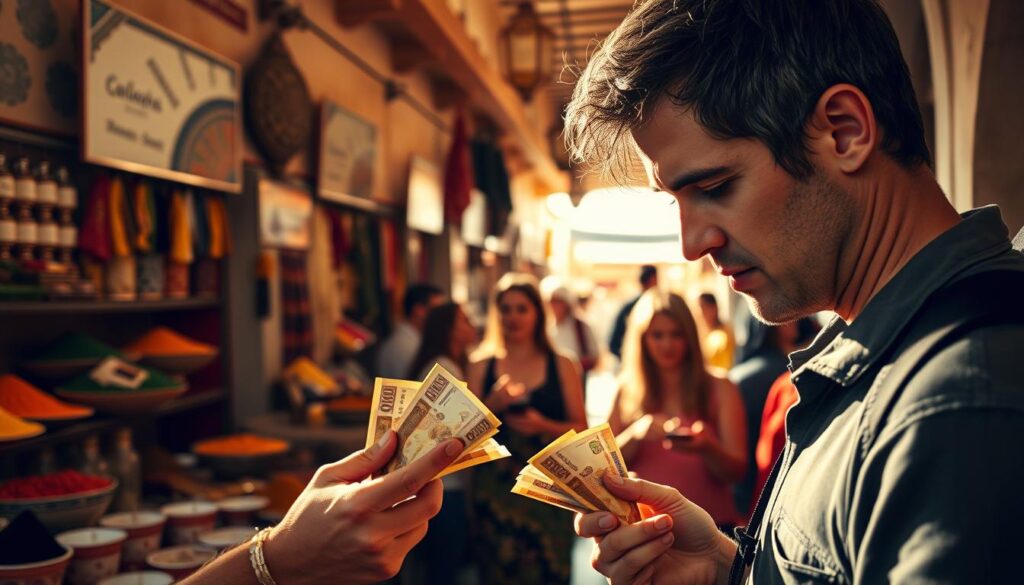
Sitting in a hotel lobby, a traveler stared in disbelief at the handful of Euros they received for a crisp $100 bill. This kind of frustrating experience is more common than you might think. Learning from others can save you from similar surprises.
Shared Experiences on Currency Exchange Rates
Many travelers report a significant gap between advertised and actual exchange rates. What you see on the board is rarely what you get. This difference can cost you a noticeable part of your travel funds.
Airport kiosks are often the worst offenders. Their convenience comes with a high price. You might receive 10-15% less than the mid-market rate.
In contrast, a positive experience often involves using ATMs from major banks in town. They typically offer far better value. This simple strategy makes a huge difference.
Learning from Mistakes and Success Stories
The biggest regret for many is exchanging too much money upon arrival. A small amount at the airport covers immediate costs. Then, you can find better deals later.
Always keep your exchange receipts. You will need them to convert any leftover cash before you leave. This is a common lesson from seasoned travelers.
Your best experience will likely come from a prepared strategy. Researching options beforehand prevents panic decisions. Combining small cash exchanges with ATM withdrawals optimizes your overall exchange rates.
Advanced Strategies for Managing Multiple Currencies
Imagine having the power to switch between dollars and dirhams instantly based on market conditions. This level of financial control represents the pinnacle of modern travel money management. Advanced travelers now leverage multi-currency accounts to optimize their spending power.
Benefits of Holding USD and MAD Simultaneously
Maintaining balances in both USD and MAD within a single account offers remarkable flexibility. You can convert funds when rates are favorable rather than at moments of necessity. This strategy prevents rushed decisions that often cost travelers money.
Your account becomes a powerful tool for monitoring fluctuations. You might convert a small amount of USD to MAD when you spot a good rate. Then you can wait for better conditions before exchanging larger sums.
The ability to hold MAD after your trip provides ongoing advantages. You can keep funds for future visits or send money to friends traveling there. This eliminates the pressure to convert everything before departure.
Using Apps Like Revolut for Seamless Conversions
Modern platforms revolutionize how you handle different currencies. With a simple tap, you can convert USD to MAD at competitive rates. These apps allow you to hold up to 36 currencies in one convenient account.
During weekdays, you can exchange USD to MAD without additional fees within your plan limits. This makes digital tools more cost-effective than traditional methods. The seamless conversion process happens instantly through your phone.
When you need to send money overseas, these apps minimize transfer costs. They typically charge lower fees than traditional wire services. For frequent conversions, premium plans offer unlimited transactions without extra charges.
| Account Type | USD to MAD Fee | Transfer Speed | Best For |
|---|---|---|---|
| Standard | No fee on weekdays | Instant | Occasional travelers |
| Premium | Always no fee | Instant | Frequent conversions |
| Metal | Always no fee | Instant | Large amounts |
| Ultra | Always no fee | Instant | Business users |
These advanced strategies transform how you manage money across borders. By holding multiple currencies in one account, you gain unprecedented control over your financial experience. The right tools make international spending as smooth as local transactions.
Final Reflections on Budgeting and Currency Management in Morocco
As your adventure comes to a close, the smart financial decisions you made will leave you with lasting memories rather than monetary regrets. Your careful planning with the local money system truly pays off during these final days.
Remember that you can only take a limited amount of moroccan dirham when leaving the country. This equals about $200 USD worth of the local currency. Customs officials will ask about the amount you’re carrying.
Plan your last days’ spending to use up most of your remaining moroccan dirham. Convert only what you need for souvenirs or keepsakes. This avoids poor exchange rates at the airport.
Your experience with money management in this beautiful country teaches valuable lessons. The skills you gained—comparing rates and using local ATMs—will serve you well in future travels.
Effective handling of the moroccan dirham ensures you focus on the incredible experiences rather than financial stress. These final reflections on your money strategy complete your journey through Morocco’s unique financial landscape.