Morocco Backpacker Guide: Explore the Enchanting Kingdom
Did you know that within just a few hours from Europe, you can step into a world where ancient traditions meet breathtaking landscapes? This country offers an adventure unlike any other place on Earth.
Imagine wandering through vibrant souks filled with aromatic spices. You can explore labyrinthine medinas, surf world-class waves, and even sleep under the stars in the desert. It’s a sensory overload that transforms your trip into something magical.
While challenges like scams exist, the rewards far outweigh them. This guide shares firsthand tips from months of travel. You’ll learn how to navigate cities, connect with local people, and stretch your budget.
Get ready to uncover hidden towns and experience authentic culture. Your journey through this enchanting kingdom begins now.
Your Ultimate Morocco Backpacker Guide: An Introduction
Have you ever dreamed of exploring a land where ancient history whispers through winding streets? This North African gem offers a perfect blend of chaos and calm.
From the bustling medinas to peaceful desert oases, every moment here feels like an adventure. The contrasts will surprise you at every turn.
The nation’s rich history spans centuries. It was once part of the Carthaginian Empire and later became a Roman province. After gaining independence in 1956, it developed its unique identity.
Your senses will come alive here. The air carries exotic spice aromas. Vibrant plazas echo with lively sounds. Colorful fabrics create a visual feast everywhere you look.
Getting here is surprisingly easy and affordable. Cheap flights from Europe and ferry options from Spain make access simple. This makes it ideal for any travel budget.
You might face some challenges like navigating maze-like streets or dealing with persistent vendors. But these small hurdles make the rewards even sweeter.
This comprehensive resource helps you plan an amazing journey. Whether you have seven days or thirty, you’ll find valuable insights here.
Remember to respect local customs during your visit. Dressing modestly helps you blend in and shows cultural awareness. The local people appreciate this consideration.
While generally safe, stay alert for petty crimes and common tourist scams. Basic vigilance ensures a smooth and enjoyable experience.
Embrace the unfamiliar and dive deep into the culture. The most memorable moments often come from stepping outside your comfort zone.
In the following sections, you’ll discover detailed itineraries, cost breakdowns, and transportation tips. Everything you need for an unforgettable adventure awaits.
Best Time to Go Backpacking in Morocco
Timing your adventure right makes all the difference in this diverse country. The weather varies dramatically across regions. You’ll want to plan carefully for the best experience.
Shoulder seasons offer the perfect balance for most travelers. These months provide comfortable temperatures throughout the nation.
Ideal Seasons for City Exploration and Desert Treks
Spring and fall are magical times for urban adventures and Sahara journeys. From April to May and September to November, temperatures are pleasant.
You’ll avoid the extreme heat of summer and the chill of winter. This is the perfect time for exploring medinas and taking desert tours.
Coastal towns like Essaouira remain comfortable year-round thanks to ocean breezes. Inland areas can get quite hot during summer days.
Desert regions experience cold nights in winter. Pack layers to handle temperature swings.
Prime Time for Surfing the Atlantic Coast
Winter months bring the best waves to the Atlantic coast. From December through February, consistent swells attract surfers worldwide.
Water temperatures remain mild despite being the coolest time of year. This season offers ideal conditions for both beginners and experts.
The beach towns come alive during these months. You’ll find a vibrant atmosphere in surfing destinations.
When to Hike the Atlas Mountains
Spring and autumn are prime seasons for mountain adventures. The trails are mostly snow-free during these months.
You’ll enjoy comfortable hiking temperatures and stunning scenery. Summer can be too hot for strenuous ascents.
Winter brings snow to higher elevations, requiring special gear. Always check conditions before heading into the mountains.
Consider avoiding Ramadan if possible. Some services operate limited hours during daylight.
Popular months attract more tourists. Book your accommodation in advance during peak seasons.
No matter when you visit, this incredible place offers unforgettable experiences. Plan according to your preferred activities.
Crafting Your Perfect Morocco Backpacking Itinerary
Planning your route transforms a good journey into an unforgettable adventure. You can create a personalized schedule that matches your interests and available time.
This diverse land offers countless possibilities. Whether you seek desert landscapes or coastal waves, there’s a perfect plan waiting for you.
The 7-Day Desert Express: Marrakech to Fez
Short on time but want maximum impact? This compact route packs incredible diversity into just one week.
Start in vibrant Marrakech. Spend two days exploring the famous medina and bustling squares. Don’t miss the aromatic spice markets and historic palaces.
Next, journey to Ait Ben Haddou. This ancient kasbah appears in many famous films. You’ll feel like you’ve stepped back in time.
Continue to Todgha Gorge for spectacular hiking. The towering canyon walls create an impressive natural wonder.
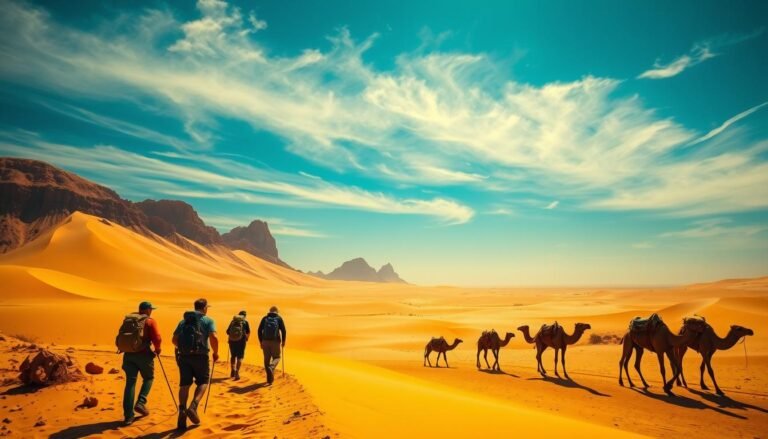
Your desert experience peaks in Merzouga. Ride camels into the Sahara dunes for an overnight camp. Sleeping under the stars becomes a magical memory.
Finish in Fez with its labyrinthine medina. Allow two days to discover hidden artisans and traditional tanneries.
Transportation tip: Book a multi-day desert tour from Marrakech. This saves driving time and includes knowledgeable local guides.
The 2-Week Surf & Sun Coastal Adventure
Love ocean waves and beach towns? This two-week journey along the Atlantic coast delivers perfect surf conditions.
Begin in either Agadir or Marrakech. Both cities offer good transportation connections to coastal spots.
Head to Taghazout first. This famous surf village offers consistent waves for all skill levels. You’ll find surf schools and board rentals everywhere.
Explore nearby breaks at Tamri and Imessouan. These spots offer less crowded waves and authentic fishing village atmospheres.
Continue to Essaouira for its fortified medina and constant winds. The beach here stretches for miles with excellent kitesurfing conditions.
Visit Sidi Kaouki for more secluded waves. This peaceful area feels worlds away from busy tourist spots.
End your trip in Casablanca or Rabat. Both cities offer international airports for convenient departures.
Budget note: Coastal hostels and street food keep costs low. Expect to spend about $35-50 daily.
The Epic 4-Week Grand Tour
Have a full month to explore? This comprehensive route covers everything from mountains to deserts and coasts.
Start in Agadir or Marrakech. Allow 3-4 days in your first city to adjust to the culture and pace.
Head to Essaouira for coastal charm. Spend 2-3 days enjoying fresh seafood and beach time.
Return to Taghazout for surfing. Allocate 3-4 days here to truly improve your wave-riding skills.
Venture into the Atlas Mountains to Imlil. Spend 2-3 days hiking through beautiful valleys and traditional villages.
Explore Ait Ben Haddou and Ouarzazate. These desert gateways offer fascinating film history and architecture.
Continue to Todgha Gorge and Dades Valley. Allow 2-3 days for canyon exploration and stunning desert landscapes.
Experience Merzouga’s Sahara dunes. Plan 2 nights for proper desert immersion including camel trekking.
Discover Fez’s ancient medina. Spend 3-4 days getting lost in its countless alleys and markets.
Visit Casablanca for modern contrast. See the magnificent Hassan II Mosque and coastal corniche.
Journey to Chefchaouen’s blue streets. Allow 2-3 days to photograph and explore this unique mountain town.
Finish in Tangier with its international port. Enjoy final days relaxing before your departure.
| Itinerary | Duration | Estimated Cost | Transportation | Key Activities |
|---|---|---|---|---|
| Desert Express | 7 days | $400-600 | Tour van/bus | Medina exploration, desert camping |
| Coastal Adventure | 14 days | $500-700 | Bus/taxi | Surfing, beach time, coastal towns |
| Grand Tour | 28 days | $900-1200 | Train/bus/rental car | Complete cultural immersion |
Remember these itineraries are flexible templates. Adjust them based on your interests and pace.
If time is limited, prioritize desert experiences or coastal activities. Both offer unique perspectives on this amazing country.
Your perfect journey awaits. Choose the route that calls to you most and start planning your adventure today.
Top Cities and Destinations for Your Backpacking Trip
Choosing where to go makes your adventure truly special. This diverse land offers incredible variety from bustling urban centers to peaceful desert outposts.
Each destination brings its own unique charm and experiences. You’ll discover different cultures, landscapes, and activities in every place you visit.
Planning your route carefully ensures you see the best this country offers. Consider spending 2-4 days in each major city to fully appreciate its character.
Remember that some towns feel very different from others. Coastal spots offer ocean breezes while mountain areas provide cool retreats.
Marrakech: The Vibrant Heartbeat
This city pulses with energy from morning until late at night. The famous Djemaa el-Fna square transforms as day turns to evening.
Street performers, food stalls, and musicians create an unforgettable atmosphere. You’ll want to spend at least three days exploring everything.
Visit the beautiful Madrasa Ben Youssef for incredible architecture. The Ouzoud Waterfalls make a perfect day trip from the city center.
Be aware of common tourist scams in busy areas. Politely but firmly decline unwanted guides and overly helpful strangers.
Stay in a traditional riad within the medina for authentic accommodation. These courtyard homes offer peaceful retreats from the bustling streets.
Venture beyond the main square to discover local neighborhoods. The northern part of the medina has fewer tourists and more genuine shops.
Fez: The Labyrinthine Medieval Medina
This place feels like stepping back in time to the medieval era. The ancient medina is the largest car-free urban area in the world.
Getting lost in the narrow streets becomes part of the experience. Allow yourself plenty of time to wander without specific directions.
The Chouara Tannery offers a fascinating glimpse into traditional crafts. View it from surrounding leather shops for the best perspective.
Find peace at The Ruined Garden, a beautiful cafe hidden within the chaos. It’s the perfect spot to rest and enjoy mint tea.
Consider hiring an official guide for your first day. They can help you navigate and explain the cultural significance of various sites.
Stay in a riad near Bab Bou Jeloud for convenient access. This famous blue gate marks the main entrance to the ancient medina.
Chefchaouen: The Iconic Blue Pearl
This mountain town will capture your heart with its famous blue-painted streets. The relaxed atmosphere provides a welcome change from busier cities.
The blue walls create incredible photo opportunities around every corner. Early morning offers the best light and fewest people.
Take time to hike to the Spanish Mosque for panoramic views. The sunset from this spot is absolutely breathtaking.
You only need 2-3 days to experience everything here. The small medina is easy to explore without getting completely lost.
Local artisans sell beautiful woven textiles and leather goods. These make wonderful souvenirs supporting the community.
Stay in a hostel with a terrace overlooking the blue streets. The views become even more magical as evening lights appear.
Essaouira: The Windswept Coastal Gem
This coastal destination offers fresh ocean air and relaxed vibes. The fortified medina sits right beside a beautiful sandy beach.
Fresh seafood becomes your daily diet here. Grilled fish served at port-side stalls tastes incredible and fits any budget.
The constant wind makes this place perfect for water sports. You can try windsurfing or kitesurfing with local instructors.
Explore the Skala de la Ville for impressive ocean views. This historic fortification protected the city in centuries past.
Three days gives you enough time to enjoy the beach and medina. The pace here feels slower than in larger cities.
Stay in a hostel within the medina walls. You’ll be steps away from both the beach and the charming streets.
Merzouga: Gateway to the Sahara Desert
This small town serves as your entry point to the magnificent Sahara. The golden dunes create a landscape unlike anywhere else.
An overnight camel trek becomes the highlight of your trip. You’ll sleep under countless stars in a traditional Berber camp.
The silence of the desert provides a profound experience. You’ll remember this night long after your journey ends.
Plan for two nights total in this area. One night in town and one night in the desert works perfectly.
Spring and autumn offer the most comfortable temperatures. Summer days can be extremely hot for desert activities.
Basic accommodations in town keep costs low before your desert adventure. The experience itself is worth every penny.
Unforgettable Experiences and Things to Do
Your journey becomes truly memorable when you dive into authentic local adventures. These activities transform a simple trip into a life-changing experience.
From desert nights to mountain peaks, each destination offers unique things to discover. You’ll create stories that last a lifetime.
Spend a Night Under the Stars in the Sahara
Imagine riding camels into golden dunes as the sun sets. The silence of the desert creates a magical atmosphere unlike anywhere else.
You’ll sleep in traditional Berber camps under countless stars. The memory of this night will stay with you forever.
Book your desert tour directly from Merzouga for the most authentic experience. Local guides share fascinating stories about desert life.
Try sandboarding down the massive dunes during the day. The soft sand makes for a thrilling but safe adventure.
Trek and Summit Mount Toubkal
Challenge yourself to reach North Africa’s highest peak at 4,167 meters. The two-day hike from Imlil offers stunning mountain views.
Spring and autumn provide the best conditions for this climb. You’ll avoid extreme heat and heavy snow.
Hire a local guide during winter months when snow covers the trail. They know the safest routes and can provide necessary equipment.
The summit reward includes breathtaking panoramic views. You’ll feel incredible accomplishment reaching the top.
Surf the World-Class Breaks in Taghazout
This famous surf town welcomes riders of all skill levels. Consistent waves roll in year-round along this beautiful beach destination.
Beginner-friendly breaks make learning easy and fun. Local surf schools offer affordable lessons and board rentals.
The relaxed surf culture includes yoga retreats and healthy cafes. You’ll find a welcoming community of wave enthusiasts.
Nearby breaks at Anchor Point offer more challenging rides. Explore different spots along this spectacular coastline.
Get Lost in the Ancient Medinas and Souks
Wandering through narrow streets becomes an adventure in itself. Each turn reveals new shops, smells, and sounds.
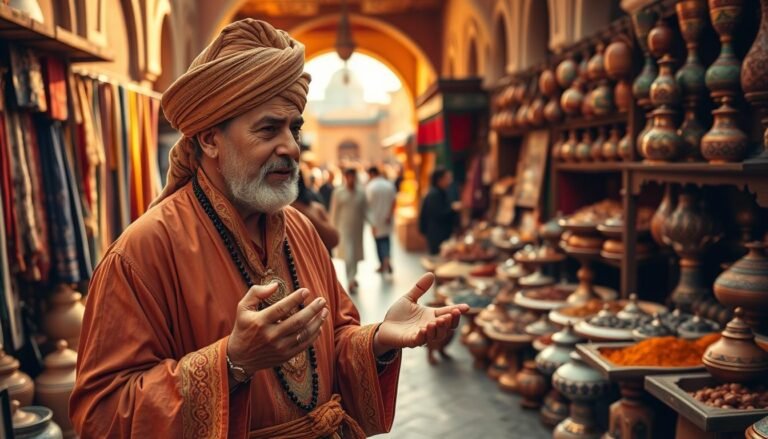
Practice your bargaining skills when shopping for souvenirs. Locals appreciate respectful negotiation rather than fixed prices.
Try delicious street food from vendors throughout the markets. Fresh orange juice and grilled meats make perfect snacks.
Stay aware of your surroundings in crowded tourist areas. Keep valuables secure while exploring these vibrant streets.
Combine these activities for a well-rounded trip. You might surf in the morning and explore medinas in the afternoon.
Consider adding traditional hammam visits or cooking classes. These lesser-known experiences offer deeper cultural connections.
Always respect local customs during your adventures. Dress modestly and ask permission before taking photos of people.
Step outside your comfort zone and try new things. The most rewarding memories often come from unexpected experiences.
Understanding Your Morocco Backpacking Budget
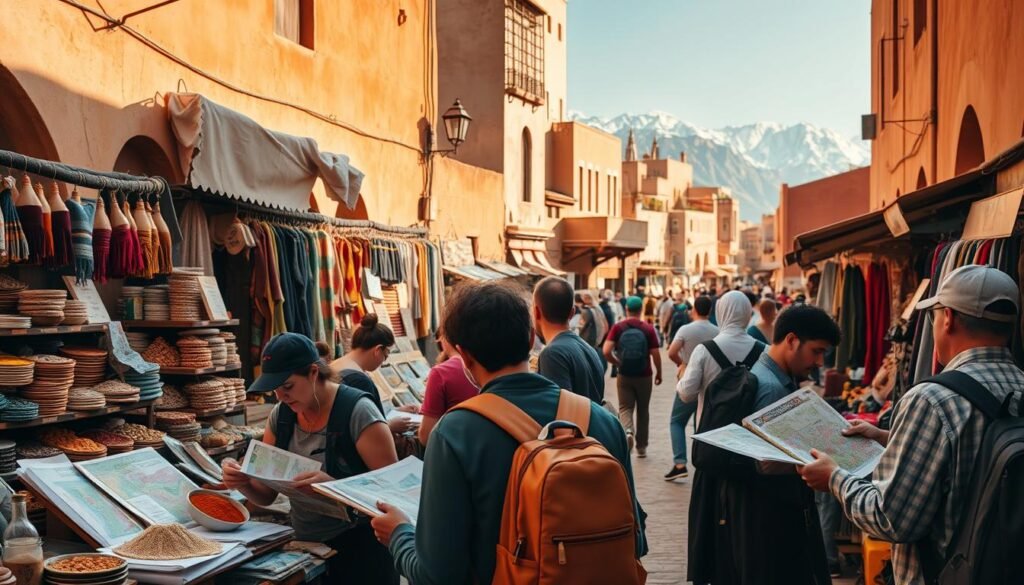
Planning your spending makes your adventure both enjoyable and affordable. You can stretch your funds while still experiencing incredible things.
This beautiful country offers excellent value compared to many destinations. Your money goes further here than in most European places.
Daily Budget Breakdown: Backpacker vs. Mid-Range
Your daily spending depends on your travel style and comfort level. Backpackers typically spend around 285 MAD per day.
This covers basic hostels, street food meals, and public transportation. You’ll have enough money for occasional entrance fees too.
Mid-range travelers average 525 MAD daily for more comfort. This includes private rooms, restaurant meals, and some guided tours.
Both options let you experience the culture and beauty of this land. The choice depends on your personal preferences and available funds.
Cost of Accommodation: Hostels, Riads, and Camping
Sleeping arrangements vary widely across different towns and cities. Hostels offer the most budget-friendly options at 50-110 MAD per night.
These social spaces help you meet other travelers from around the world. Many include breakfast and have kitchen facilities for guest use.
Private rooms in guesthouses range from 260-380 MAD nightly. You get more privacy while still experiencing local hospitality.
Traditional riads provide a unique cultural experience. Prices vary greatly depending on location and luxury level.
Desert camping costs depend on whether you join a group tour. These overnight experiences are worth every dirham.
Price of Food: Street Eats vs. Restaurant Meals
Eating locally helps your budget while offering authentic flavors. Street food stalls serve delicious meals for 30-50 MAD.
You’ll find fresh tagines, couscous, and grilled meats everywhere. These dishes represent the heart of local cuisine.
Small restaurants charge 35-55 MAD for similar meals with seating. The food quality remains excellent at these family-run spots.
Western-style restaurants cost 100-400 MAD depending on the city. These options work well for an occasional treat.
Alcohol increases your food budget significantly. Local non-alcoholic drinks like mint tea cost very little.
| Expense Category | Backpacker Budget (MAD) | Mid-Range Budget (MAD) |
|---|---|---|
| Accommodation (per night) | 50-110 | 260-380 |
| Food (per day) | 90-150 | 200-300 |
| Transportation (per day) | 40-80 | 80-150 |
| Activities (per day) | 30-100 | 100-200 |
| Total Daily Estimate | 210-440 | 640-1030 |
Transportation costs add another important part of your budget. Buses between cities range from 50-150 MAD depending on distance.
Trains offer comfortable travel at slightly higher prices. Grand taxis work well for group travel to mountain areas or beach towns.
Always carry cash as many places don’t accept credit cards. Smaller towns and market stalls operate on cash only.
Budget for special experiences like desert tours or surf lessons. These splurges create unforgettable memories from your time here.
A week-long trip typically costs 2,000-3,000 MAD for backpackers. This includes all accommodation, food, transportation, and activities.
Your money stretches further when you eat at local markets. Avoiding tourist restaurants saves significant amounts over multiple days.
Remember that prices vary between different parts of the country. Mountain and desert destinations often cost more than larger cities.
With careful planning, you can enjoy an amazing experience without overspending. The value you receive makes every dirham well spent.
Smart Money-Saving Tips for Backpackers
Stretching your funds lets you enjoy more adventures without worrying about costs. You can experience amazing things while keeping your wallet happy.
Smart choices make a big difference in how far your money goes. These tips help you save without missing out on the fun parts of your journey.
Eat Like a Local at Street Food Stalls
Street food offers delicious meals at a fraction of restaurant prices. You’ll find kebabs, sandwiches, and tagines for just a few dollars.
These stalls serve authentic dishes that local people enjoy daily. The flavors are incredible and the experience feels genuinely cultural.
Look for busy spots where residents are eating. This indicates fresh food and fair prices for everyone.
Master the Art of Negotiation for Taxis and Souvenirs
Always agree on prices before getting into any taxi or buying souvenirs. This simple habit prevents surprises and overpaying later.
Start with about half the initial asking price and work upward. Friendly bargaining is expected in markets and with drivers.
Remember that walking away often gets you the best deal. Vendors will usually call you back with their final offer.
Choose Intercity Buses Over Grand Taxis
Buses like CTM and Supratours offer comfortable travel between cities. They cost significantly less than shared taxis for the same routes.
You’ll meet other travelers and enjoy scenic views along the way. Booking tickets in advance ensures you get the best prices.
Grand taxis work better for short distances or group travel. For longer journeys, buses provide better value for your money.
Consider traveling during shoulder seasons for lower accommodation rates. You’ll also encounter fewer crowds at popular destinations.
Free activities like hiking in mountain areas or exploring medinas cost nothing. These experiences often become the most memorable parts of your trip.
Carry a filtered water bottle instead of buying plastic bottles. This saves money and helps reduce environmental impact during your travels.
Hostels and guesthouses offer affordable lodging options. They provide comfortable beds and opportunities to meet fellow adventurers.
Be aware of common tourist scams that can waste your funds. Politely decline unsolicited guides and too-good-to-be-true offers.
With these strategies, you can extend your stay and enjoy more of this incredible country. Your budget will thank you while your experience grows richer.
How to Get Around Morocco: Transport Guide
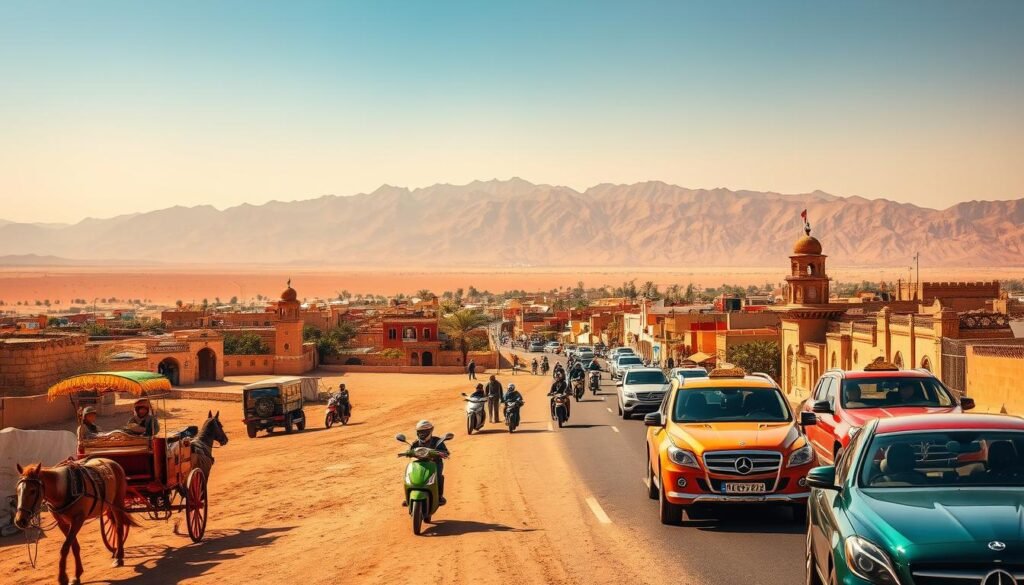
Getting from place to place is an adventure in itself. You’ll discover that each mode of transport offers a unique experience. Smart choices make your journey smoother and more enjoyable.
This diverse land has many options for moving between cities and towns. Your budget and comfort level will help determine the best ways to travel.
Navigating with Trains (ONCF)
Trains connect major urban centers efficiently and comfortably. The national rail service, ONCF, operates modern trains throughout the country.
First-class tickets offer more space and quieter cars. The extra comfort is worth it for longer journeys between destinations.
Popular routes include Casablanca to Marrakech and Rabat to Fez. You can book tickets online or at station counters.
Always reserve your seat in advance during busy periods. This ensures you get the departure time you prefer.
Riding the Buses: CTM and Supratours
Buses reach places that trains don’t serve. They’re perfect for getting to smaller towns and remote areas.
CTM and Supratours are the most reliable companies. Their modern coaches have air conditioning and comfortable seats.
You’ll find frequent departures between major cities. Night buses save on accommodation costs for long distances.
Book tickets online or at bus stations ahead of time. This guarantees your spot on popular routes.
Using Grand Taxis and Petit Taxis
Grand taxis are shared vehicles that run between cities. They depart when full and follow fixed routes.
Always negotiate the fare before getting in. You’ll share the ride with other passengers heading the same way.
Petit taxis operate within urban areas for short trips. They should use their meters, but sometimes you’ll need to agree on a price.
These bright colored cars are perfect for quick city travel. They’re affordable and convenient for getting around town.
Considering Car Rental for Coastal Exploration
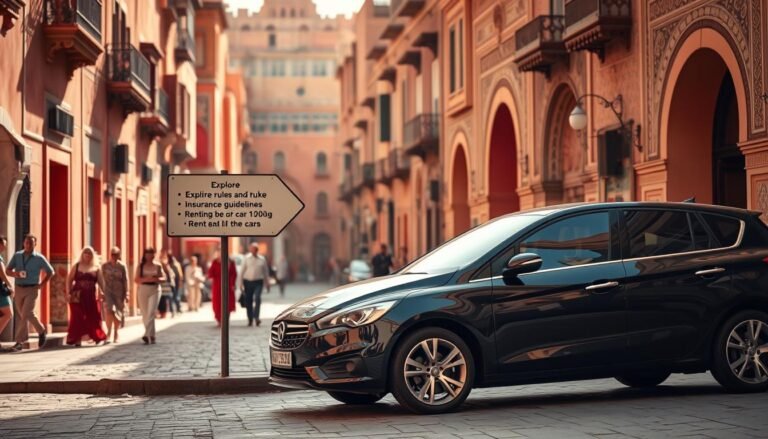
Renting a car gives you freedom to explore at your own pace. It’s ideal for coastal road trips and remote beach destinations.
Driving styles here can be more aggressive than you’re used to. Exercise caution, especially on mountain roads and in busy cities.
An international driver’s license is required. Always get full insurance coverage for peace of mind.
Coastal highways offer stunning ocean views. You can stop at hidden beaches and fishing villages along the way.
- Hitchhiking is possible in some rural areas, but exercise caution
- Always carry small bills for taxi fares and bus tickets
- Download offline maps for navigation in areas with poor signal
- Allow extra time for journeys – schedules can be flexible
Each transportation method has its own charm and practicality. Mixing different options gives you the best experience of this incredible country.
Your choice depends on budget, time, and comfort preferences. All options will get you where you need to go safely.
Finding the Best Backpacker Accommodation
Where you rest your head each night shapes your travel experience. The right lodging choices enhance your journey while keeping costs manageable.
You’ll discover various options across this beautiful land. From bustling urban centers to quiet mountain retreats, each area offers unique places to stay.
Your selection depends on budget, desired experience, and location. Mixing different types of lodging adds variety to your adventure.
Staying in Social Hostels
Hostels provide excellent value for money-conscious travelers. You’ll typically spend $10-15 per night for a comfortable bed.
These spaces foster connections with fellow adventurers. Common areas encourage sharing stories and travel tips.
Many hostels organize group activities and city tours. This helps you discover hidden gems with new friends.
Look for hostels with kitchen facilities to save on food costs. Preparing simple meals stretches your daily budget further.
Popular options include:
- Equity Point Marrakech – near the main square
- Surf Hostel Taghazout – perfect for wave enthusiasts
- Funky Fes – in the heart of the ancient medina
Book ahead during peak seasons to secure the best spots. Reading reviews on Hostelworld ensures quality choices.
Experiencing a Traditional Riad
Riads offer a unique cultural experience unlike standard hotels. These traditional houses feature beautiful interior courtyards.
Many converted riads now operate as charming guesthouses. You’ll enjoy authentic architecture with modern comforts.
Staying in a medina-based riad immerses you in local life. Waking to the sounds of the ancient city creates magical memories.
Prices vary depending on location and luxury level. Some budget-friendly options provide excellent value.
Your riad stay becomes part of the cultural experience. Friendly owners often share insider tips about their city.
Wild Camping Legality and Tips
Camping under the stars offers incredible freedom and connection with nature. This option works well in remote mountain and desert areas.
Wild camping is generally permitted throughout the country. Always practice discretion and respect for the environment.
Nomadic communities or police might check on campers in some regions. Having your documents ready ensures smooth interactions.
Follow these safety guidelines for outdoor stays:
- Choose discreet locations away from main roads
- Never light fires in dry areas
- Pack out all trash and leave no trace
- Inform someone about your planned camping spot
Desert camping with organized tours provides a safer alternative. These experiences include guides and proper equipment.
Your accommodation choices greatly impact your overall journey. Balancing hostel socializing, riad charm, and occasional camping creates a rich travel experience.
Remember that location within medinas offers the most authentic stays. Being walking distance from markets and landmarks saves transportation time and money.
Try different lodging types throughout your trip. Each option provides unique perspectives on this fascinating destination.
Staying Safe and Secure on Your Adventure
Your safety transforms a good trip into a truly great experience. With some simple precautions, you can focus on enjoying this incredible destination.
Most visits go smoothly when you follow basic guidelines. Local people are generally welcoming and helpful to visitors.
Navigating Cultural Norms and Dress Codes
Dressing modestly shows respect for local customs. It also helps you avoid unwanted attention in public places.
Choose clothing that covers shoulders and knees. Loose-fitting garments work well in the warm climate.
Women might consider carrying a light scarf. This versatile item provides extra coverage when needed.
Public drinking is generally frowned upon. Save alcoholic beverages for licensed restaurants or private accommodations.
Dealing with Touts and Avoiding Common Scams
You might encounter persistent vendors in tourist areas. A polite but firm “no thank you” usually works well.
Watch out for faux guides offering unsolicited help. Official guides carry proper identification badges.
Be cautious around snake charmers and henna artists. They often charge inflated prices after providing services.
Always negotiate taxi fares before getting in. Ask your accommodation for typical rates to avoid overpaying.
Keep your money in a secure belt or hidden pocket. This prevents pickpocketing in crowded markets.
Specific Advice for Solo Female Travelers
Solo women might receive more attention than at home. This usually comes from curiosity rather than malice.
Dressing conservatively reduces unwanted advances. Avoid sharing personal contact information with strangers.
Stay in well-lit areas after dark. Consider joining other travelers for evening outings.
Learn basic phrases in Arabic or French. Locals appreciate when visitors attempt their languages.
Travel insurance provides peace of mind for emergencies. Keep emergency numbers handy: 19 for police or 112 for general emergencies.
Remember that most visits are trouble-free with common sense. Your awareness ensures a wonderful experience in this beautiful country.
Essential Pre-Trip Planning Checklist
Proper preparation makes your adventure smooth and worry-free. A little organization before departure ensures you focus on enjoying every moment.
This checklist covers everything from documents to connectivity. You’ll feel confident knowing you’ve handled important details in advance.
Do You Need a Visa for This Country?
Most visitors enjoy visa-free entry for up to 90 days. This applies to citizens from the United States, Canada, and European nations.
Always check current requirements before booking your flight. Entry rules can change, so verify with official government sources.
Your passport must have at least six months validity remaining. Immigration officials will check this upon arrival.
Why Travel Insurance is Non-Negotiable
Comprehensive coverage protects your investment and health. Medical emergencies, trip cancellations, and theft are all potential concerns.
Adventure activities like hiking and surfing carry inherent risks. Good insurance gives peace of mind during these experiences.
Read policy details carefully to understand coverage limits. Ensure it includes emergency evacuation from remote areas.
Getting a Local SIM Card or eSIM for Data
Staying connected makes navigation and communication easier. You have several good options for mobile data during your trip.
Local SIM cards cost around 100 MAD for 5GB of data. Purchase these at airport kiosks or official stores in major cities.
eSIM services like Saily offer convenient digital activation. Prices start at $6 for flexible data packages that work immediately.
Book flights and accommodation early during popular seasons. This saves money and ensures availability at preferred places.
Consult your doctor about recommended vaccinations. Routine travel vaccines protect against common illnesses.
Learn basic phrases in Arabic or French. Locals appreciate when visitors attempt their languages.
Pack according to your planned activities and seasons. Layers work well for changing temperatures throughout the day.
Share your itinerary with family or friends back home. Regular check-ins provide additional safety during your journey.
A Taste of Morocco: Food and Drink
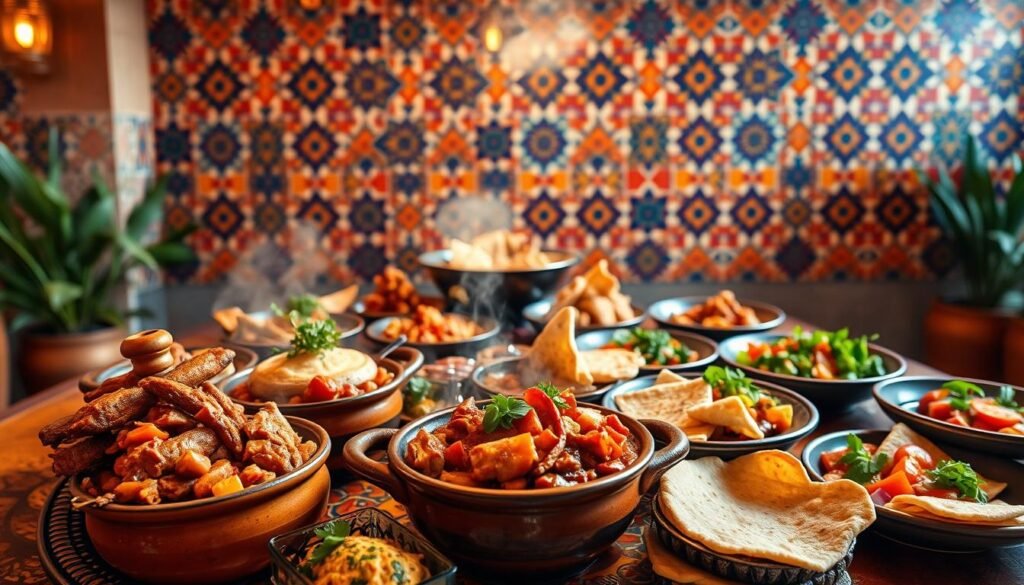
Your culinary journey through this North African kingdom becomes an adventure in itself. The flavors tell stories of ancient trade routes and cultural exchanges.
Local cuisine blends Berber traditions with Arabic and French influences. Each bite offers a delicious glimpse into the nation’s rich history.
From street stalls to family restaurants, every meal feels special. You’ll discover that food plays a central role in daily life here.
Must-Try Traditional Dishes
Tagine stands as the most famous culinary creation. This slow-cooked stew features tender meat with vegetables and spices.
The conical clay pot keeps everything moist and flavorful. You’ll find countless variations across different regions.
Couscous represents the Friday family meal tradition. Steamed semolina grains accompany vegetables and sometimes meat.
Pastilla offers a unique sweet and savory experience. This flaky pastry contains pigeon or chicken with almonds and cinnamon.
Don’t miss trying a camel burger in desert areas. It provides a memorable taste of local innovation.
The Culture of Mint Tea
Mint tea symbolizes hospitality throughout the land. You’ll receive offers of this sweet drink everywhere you go.
Locals call it “Moroccan whiskey” despite containing no alcohol. The preparation involves a special pouring technique from height.
This creates a frothy top and helps cool the liquid. The ritual represents friendship and welcome.
You’ll experience this tradition in homes, shops, and markets. Accepting tea shows respect for local customs.
Understanding Alcohol Availability
Alcoholic beverages have limited availability due to religious customs. You’ll mainly find them in tourist restaurants and larger hotels.
Prices tend to be significantly higher than back home. A simple beer might cost three times what you’d pay elsewhere.
Many smaller towns and rural areas offer no alcohol options. Respect local sensibilities regarding public drinking.
Some supermarkets in major cities carry limited selections. Remember that public intoxication is frowned upon everywhere.
Street food provides authentic flavors at budget-friendly prices. Grilled meats, fresh sandwiches, and savory snacks cost very little.
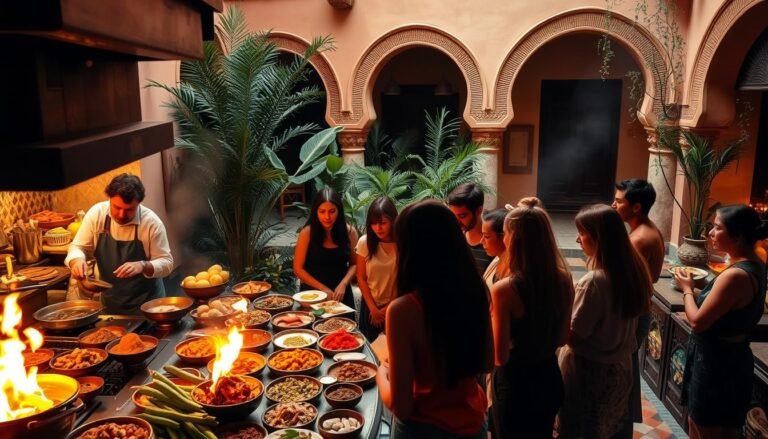
Consider taking a cooking class to learn traditional recipes. Many riads and cultural centers offer half-day sessions.
Coastal destinations feature incredible seafood options. Fresh fish grilled right at the port makes a memorable meal.
Communicate dietary restrictions clearly when ordering. Learning basic phrases helps ensure your needs are understood.
| Dish Type | Typical Cost (MAD) | Best Place to Try | Special Considerations |
|---|---|---|---|
| Street Food | 20-50 | Local Markets | Look for busy stalls with fresh preparation |
| Restaurant Tagine | 60-120 | Traditional Eateries | Perfect for lunch or dinner meals |
| Seafood Platter | 100-200 | Coastal Towns | Always verify freshness and price first |
| Cooking Class | 200-400 | Cultural Centers | Book in advance for best availability |
Staying hydrated remains crucial, especially during warmer months. Carry water with you while exploring cities and natural areas.
Bottled water is widely available and affordable. You can also use water purification tablets or filters.
Embrace new flavors as part of your cultural experience. Trying unfamiliar foods often leads to delightful discoveries.
Your taste buds will thank you for the adventure. Each meal becomes another cherished memory from your journey.
Immersing Yourself in Moroccan Culture
Understanding local customs transforms your visit from ordinary to extraordinary. The rich cultural tapestry here reveals itself through daily interactions and ancient traditions.
You’ll discover that this nation values hospitality above all else. Your openness to learning creates meaningful connections with local people.
A Brief History of the Kingdom
This land has witnessed countless civilizations throughout its long history. Berber kingdoms first established roots in this part of North Africa.
Roman provinces later brought new architectural and administrative systems. You can still see impressive ruins from this period at various sites.
French protectorate status lasted from 1912 until independence in 1956. This European influence blended with existing Arab and Berber traditions.
The resulting cultural mix makes this country uniquely fascinating. Each historical layer contributes to the modern identity you experience today.
Languages Spoken: Arabic, French, and Berber
You’ll hear multiple languages throughout your journey in this diverse nation. Moroccan Arabic serves as the primary daily communication language.
French remains widely used in business and education contexts. Many signs and menus appear in both Arabic and French scripts.
Berber languages persist in mountain areas and rural communities. These indigenous tongues represent the oldest cultural layer.
English becomes more common in tourist areas and among younger people. Learning a few basic phrases enhances your experience significantly:
- Shukran (Thank you)
- Labas (How are you?)
- Bslama (Goodbye)
- Mn fadlak (Please)
Locals appreciate when visitors attempt their language. Even simple efforts create warmer interactions during your trip.
Respecting Religious Customs and Etiquette
Islam shapes daily life throughout this predominantly Muslim country. Understanding basic religious customs shows respect for local values.
Dressing modestly helps you blend in and avoid unwanted attention. Covering shoulders and knees works well in most situations.
Public displays of affection between couples are generally frowned upon. Save intimate moments for private spaces like your accommodation.
Ramadan requires special consideration if you visit during this holy month. Muslims fast from sunrise to sunset throughout this period.
Many restaurants close during daylight hours in observance. Eating or drinking in public during fasting times shows poor etiquette.
Evening becomes a festive time after the daily fast breaks. You’ll experience special foods and vibrant night markets during Ramadan.
Photography requires sensitivity around religious sites and local people. Always ask permission before taking pictures of individuals.
Mosques generally restrict entry to non-Muslims, with few exceptions. The Hassan II Mosque in Casablanca offers guided tours for visitors.
Mint tea ceremonies represent the famous hospitality culture. Accepting this sweet drink symbolizes friendship and mutual respect.
Your cultural sensitivity enhances every aspect of the journey. These considerations lead to richer experiences and warmer welcomes.
Packing for Your Trip: The Backpacker’s List
Getting your gear right makes every moment of your adventure more enjoyable. Smart packing choices help you handle diverse climates and activities effortlessly.
You’ll encounter everything from scorching desert days to chilly mountain nights. The right clothing and equipment ensure comfort throughout your journey.
Essentials for the Desert, Mountains, and Coast
Your packing list should cover three main environments. Each area requires specific items for maximum comfort and safety.
For desert regions, focus on sun protection and temperature changes. The days get extremely hot while nights can surprise you with cold.
Mountain areas demand proper footwear and warm layers. Trails can be rocky and temperatures drop significantly at higher elevations.
Coastal destinations call for beach gear and wind protection. Ocean breezes feel refreshing but can get strong at times.
Always pack these universal essentials:
- High-SPF sunscreen and lip balm
- Wide-brimmed hat and sunglasses
- Reusable water bottle with filter
- Basic first-aid kit and medications
- Power adapter and portable charger
Remember that laundry services are available in most towns. You can pack light and wash clothes every few days.
Modest Clothing Recommendations
Choosing appropriate clothing shows respect for local customs. It also protects you from the strong sun throughout your travels.
Opt for loose, breathable fabrics that cover your shoulders and knees. Lightweight cotton and linen work perfectly in the warm climate.
Long-sleeved shirts protect against sunburn while remaining cool. Convertible pants that zip into shorts offer versatility for different situations.
Women might appreciate a light scarf for extra coverage when needed. This simple accessory works for cultural sites and sun protection.
Pack layers for evening chill and air-conditioned spaces. A light fleece or sweater handles temperature drops perfectly.
Your clothing choices should prioritize comfort and cultural sensitivity. You’ll blend in better and avoid unwanted attention.
Gear for Surfing, Hiking, and Photography
Specialized activities require specific equipment for the best experience. Consider renting gear locally to save space in your luggage.
Surfboards and wetsuits are easily rented at beach destinations. This avoids airline fees and transportation hassles.
Hiking boots provide essential support for mountain trails. Break them in before your trip to prevent blisters.
Camera equipment captures stunning landscapes and cultural moments. Extra memory cards and batteries ensure you never miss a shot.
Other activity-specific items to consider:
- Quick-dry towel for beach and hostel use
- Headlamp for desert camps and early hikes
- Waterproof bag for electronics and documents
- Journal for recording your daily experiences
Always keep photocopies of important documents separate from originals. Digital copies on your phone provide extra security.
Your packing choices directly impact your daily comfort and enjoyment. Thoughtful preparation lets you focus on the amazing experiences ahead.
Conclusion: Embarking on Your Moroccan Journey
Your adventure through this enchanting kingdom promises memories that will last a lifetime. From bustling medinas to peaceful desert nights, every moment offers something special.
Remember to stay flexible and embrace the unexpected. Challenges become stories that make your trip uniquely yours.
Connect with local people and fellow travelers along the way. These interactions often create the most meaningful experiences.
Document your journey through photos or journals. You’ll treasure these memories for years to come.
You now have all the tools for an amazing adventure. Respect local customs, travel responsibly, and share your experiences with others.
Your incredible North African journey begins now – embrace every moment with confidence and wonder!