Morocco Itinerary Planner: Save Money & Master the Dirham Exchange
Did you know this North African gem welcomed over 17.4 million international visitors in 2024 alone? That’s a staggering 20% increase from the previous year, making it one of the world’s fastest-growing destinations.
With such incredible popularity, smart financial planning becomes essential for your adventure. Many travelers wonder exactly how much money they’ll need to experience this captivating country properly.
The good news? You can enjoy rich cultural experiences here for a fraction of what you’d pay in Europe or North America. For mid-range comfort, expect to spend approximately 800-1,000 MAD daily on essentials like accommodation, meals, and local transportation.
This comprehensive resource will walk you through everything from visa fees and flights to accommodations, dining, and activities. You’ll discover how proper planning lets you create an unforgettable journey without draining your savings.
Overview of Morocco Travel Expenses
A clear picture of daily expenses helps you create a realistic financial plan for your adventure. Knowing what to expect lets you focus on the experience rather than worrying about money.
Understanding Daily Costs
For comfortable mid-range travel, plan for about 800-1,000 MAD per day. This covers all your basic needs. Accommodation typically runs 300-500 MAD per person when sharing a room.
Food expenses average 200-300 MAD daily for meals and drinks. Transportation costs about 100-150 MAD for local travel. Activities and sightseeing add another 100-200 MAD.
| Budget Level | Daily Amount | What’s Included |
|---|---|---|
| Backpacker | 285 MAD | Hostels, street food, public transport |
| Mid-Range | 525 MAD | Comfortable hotels, restaurants, taxis |
| Upscale | 1,120 MAD | Luxury hotels, fine dining, private tours |
Weekly Budget Comparisons
Couples can save significantly by sharing costs. Many pairs spend around 11,000-12,000 MAD combined weekly. Solo travelers should budget 5,700-7,000 MAD for a week.
Remember that prices vary by location and season. Major cities often have higher expenses than smaller towns. Plan accordingly based on your destinations.
Morocco Trip Cost Guide: Daily Budget Breakdown

Let’s walk through a real day in Marrakech to see how your spending adds up. This example shows a comfortable mid-range experience.
Your morning starts with a coffee for 15 MAD after a complimentary breakfast at your riad. Exploring the beautiful Bahia Palace costs 70 MAD. For lunch, a delicious chicken tagine with water is about 70 MAD.
In the afternoon, a visit to the stunning Jardin Majorelle is 170 MAD. A quick snack of fresh juice and almonds is 25 MAD. Two taxi rides during the day total 55 MAD.
Your evening features a memorable rooftop dinner with lamb couscous for 180 MAD. A double room in a charming riad is 600 MAD, but sharing cuts your accommodation price significantly.
The total for this day is 1,185 MAD. If you share the room, your personal budget drops to around 885 MAD per day. Your spending will vary based on your choices.
Some days, like travel days, will be lighter on your wallet. Others, such as desert excursions, will be higher. The average remains manageable.
Visa, Flights, and Transportation Costs
Before you can explore the vibrant markets and ancient medinas, you’ll need to handle the logistics of entry and arrival. This planning phase ensures a smooth start to your adventure.
Visa and E-Visa Process
Most visitors require a tourist visa. The convenient e-Visa option lets you apply online without embassy visits. Single-entry visas cost around 628 MAD, while multiple-entry options range from 1,152-1,200 MAD.
Flight Booking and Seasonal Tips
From the US, roundtrip flights typically cost $500-650 when booked 2-3 months early. Travel during shoulder seasons (March-May or September-November) for better deals. Flying mid-week can also save you money.
Local Transportation Options
Moving between cities offers several choices. Trains connect major destinations for 50-300 MAD. Comfortable buses provide service for 50-150 MAD. Within urban areas, petit taxis are affordable at 15-50 MAD per ride.
| Transport Type | Best For | Approximate Price | Travel Time |
|---|---|---|---|
| ONCF Trains | City-to-city comfort | 50-300 MAD | 2-4 hours |
| CTM Buses | Budget-friendly travel | 50-150 MAD | 3-6 hours |
| Petit Taxis | Urban navigation | 15-50 MAD | 10-30 minutes |
| Grand Taxis | Intercity shared rides | 50 MAD (shared) | 1-3 hours |
These transportation options give you flexibility to create an itinerary that matches your schedule and budget preferences.
Accommodation Options: Staying in Riads and Hotels
Accommodation selections offer more than just a bed – they’re gateways to local culture. Your choice of lodging can deeply enrich your experience.
Traditional riads provide authentic charm with beautiful courtyards. These guesthouses create memorable stays with personal touches.
Budget Hostels and Guesthouses
Hostel dorms start at 50-110 MAD per night. Private rooms in budget guesthouses range from 260-380 MAD. This budget-friendly option helps you save for other experiences.
Basic riads with shared bathrooms cost up to 300 MAD per night. Many include breakfast, cutting your daily food expenses. These options work well for solo travelers.
Mid-Range Riads and Boutique Hotels
Mid-range options cost 400-800 MAD per night for a double room. You’ll enjoy en-suite bathrooms, Wi-Fi, and air-conditioning. Many feature lovely rooftop terraces.
Highly rated riads in popular cities typically run 500-600 MAD. They often include warm mint tea greetings and personal service. Complimentary breakfast is common, providing excellent value.
Modern hotels in this range offer 3-4 star amenities. Look for properties with pools or fitness facilities. Booking through major travel sites can save you up to 50%.
Savoring Morocco: Food and Drink on a Budget
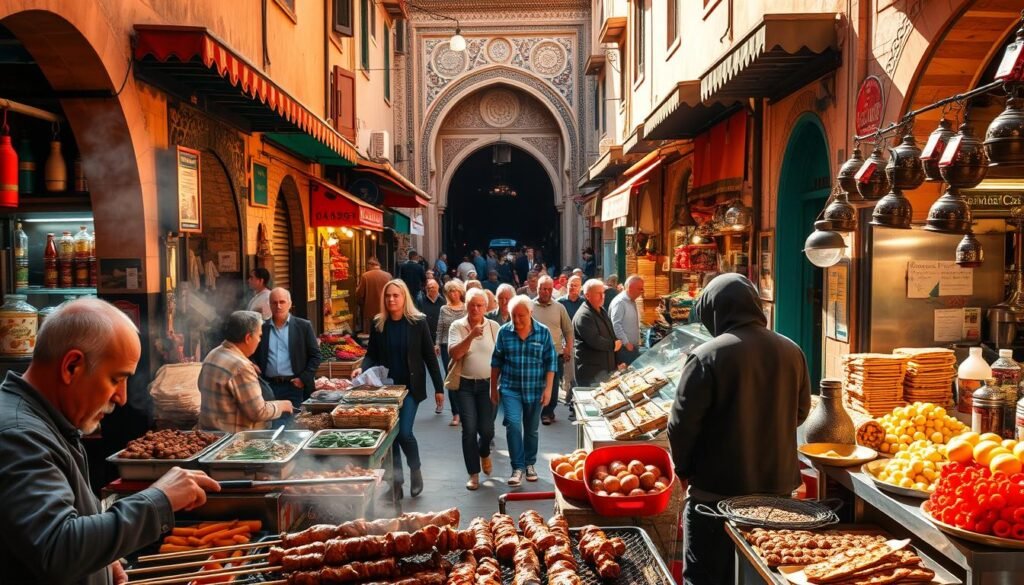
Your taste buds are in for an incredible journey that won’t drain your wallet. The local cuisine offers fantastic value, allowing you to enjoy rich flavors without a high cost.
Street Food Delights
Embrace the vibrant street food scene for an authentic and affordable experience. You can find delicious harira soup for 10-15 MAD or a satisfying shawarma wrap for 20-30 MAD.
Freshly squeezed orange juice costs about 10 MAD. Grilled meat skewers are a popular choice, typically priced between 20-40 MAD. These options provide a full meal for very little money.
Cost-Saving Dining Tips
Smart choices make a big difference in your overall food budget. Follow these simple tips to save.
- Eat where locals eat: Avoid restaurants in main tourist squares. Family-run spots with posted menus offer better value.
- Make lunch your main meal: Many casual restaurants serve set menus at lower prices during the day.
- Share plates: Portions are generous. Two people can easily share a tagine and bread.
- Skip alcoholic drinks: Alcohol is expensive and limited. Enjoy fresh juices or mint tea instead.
Even a mid-range restaurant offers a main course for 100-150 MAD. By eating smart, you can enjoy amazing food every day.
Exploring Morocco: Sightseeing and Activity Costs
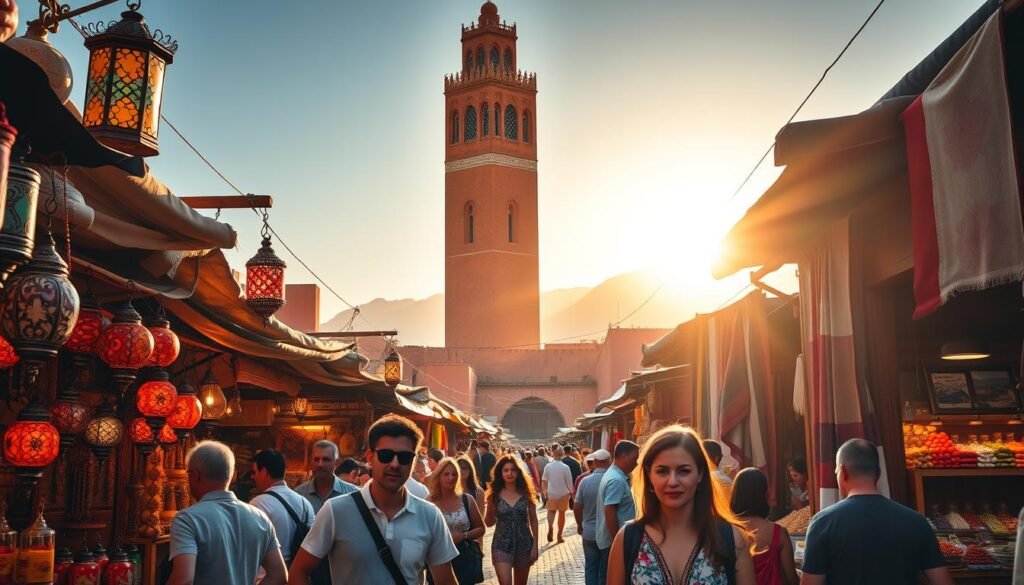
Your journey through this captivating land is defined by incredible discoveries. The best part? You can enjoy amazing activities that fit any budget.
From ancient cities to vast dunes, the options are endless. You can easily plan your days with a mix of paid and free tours.
Cultural Sites and Entry Fees
Exploring historic sites is very affordable. Entry to places like Bahia Palace or Volubilis is typically 50-70 MAD. A guided visit to the stunning Hassan II Mosque costs around 130 MAD.
Jardin Majorelle in Marrakech is a premium attraction at 170 MAD. Most museums and historical sites charge well under 100 MAD. This makes it easy to dive deep into local culture.
Adventure and Desert Experiences
For an unforgettable experience, consider a sunset camel ride (300-600 MAD). Overnight desert camps range from 800-1,500 MAD. A comprehensive 3-day Sahara tour with meals and transport is 1,200-2,500 MAD.
Adventure seekers will love hiking in the Atlas Mountains. Surf lessons in Taghazout are 200-300 MAD. Many activities offer great value.
| Activity Type | Example | Approximate Price (MAD) | Duration |
|---|---|---|---|
| Cultural Tour | Medina Walking Tour | 100-200 | 2-3 hours |
| Day Trip | Atlas Mountains | 300-600 | Full Day |
| Desert Adventure | Overnight Camp | 800-1,500 | 1 Night |
| Culinary Experience | Cooking Class | 400-600 | 3-4 hours |
Don’t forget the countless free experiences. Wandering through medinas and browsing souks costs nothing. People-watching in Jemaa el-Fnaa square is a memorable tour in itself.
With smart planning, you can enjoy a rich itinerary. The prices for guided tours remain reasonable. You truly get what you pay for in the desert and beyond.
Smart Money-Saving Tips for Morocco Travel
Stretching your travel budget further requires knowing the local customs around spending. A few clever tips can make your money go much further, allowing you to enjoy more experiences.
Haggling and Bargaining Strategies
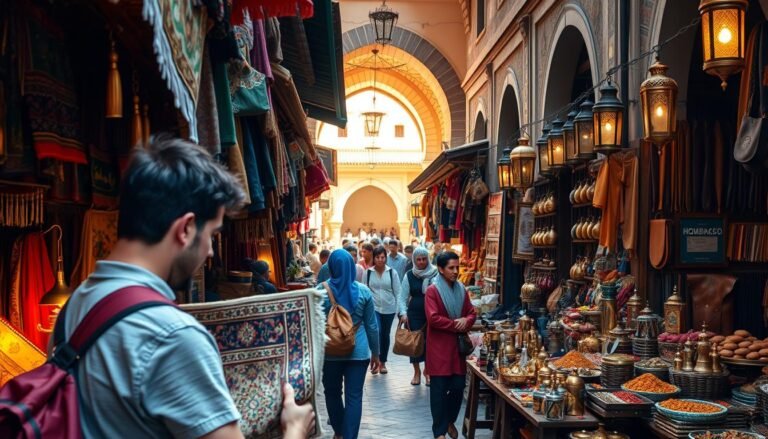
Haggling is expected in markets. The initial price is often just a starting point. Begin by asking for the “best price” and confidently offer about half.
If the quoted amount seems high, be ready to walk away. This is often the best way to get a better deal. Mentioning you saw a similar item for less can also help.
Smart Payment and Exchange Tips
Since the dirham is a closed currency, you must get cash locally. Withdraw larger amounts to avoid multiple ATM fees. Always keep small bills on hand, as vendors in busy areas frequently struggle with change.
For food, eat where local people do. Street stalls offer delicious, filling meals for a fraction of the price. Traveling during shoulder seasons is another great way to find better deals on everything.
- Book tours online in advance to compare prices and read reviews.
- Use trains and buses for affordable intercity travel.
- Always agree on a taxi fare before you start your ride.
Planning Your Moroccan Itinerary and Tours
Your adventure becomes truly memorable when you design an itinerary that reflects your unique travel style. Thoughtful planning ensures you experience the highlights while staying within your budget.
Customizing Your Trip Itinerary
Start by considering your available time and interests. A well-balanced schedule mixes iconic destinations with personal passions.
You might include Marrakesh’s vibrant Djemaa el-Fna square or Chefchaouen’s famous blue streets. The Sahara Desert offers unforgettable overnight camping experiences.
Fez’s aromatic medina and Essaouira’s relaxed beach atmosphere provide contrasting experiences. Don’t forget activities like trekking in the High Atlas Mountains or surfing in Taghazout.
Booking Authentic Local Tours
Booking tours in advance through platforms like GetYourGuide saves money and stress. You can compare reviews and avoid pushy street vendors.
Be cautious of suspiciously cheap tours under $30. These often include unwanted souvenir shop detours. Always read recent reviews before committing.
Consider specialized experiences like cooking classes or multi-day treks. Booking legitimate guides helps you avoid tourist markups and find authentic experiences.
Navigating Transportation Across Morocco
Moving between destinations in this diverse country is surprisingly straightforward with multiple transportation choices. You’ll find excellent infrastructure connecting major urban centers and remote areas alike.
Understanding your options helps you get around efficiently while maximizing your budget. Each mode of travel offers distinct advantages depending on your itinerary.
Efficient Use of Trains and Buses
The national rail system (ONCF) provides comfortable service between key cities. First-class tickets remain affordable with reserved seating and air conditioning.
For destinations beyond the rail network, modern buses offer reliable alternatives. Companies like CTM feature online booking and assigned seats.
Within urban areas, petit taxis provide convenient local transportation. Always confirm the fare or request the meter before your ride begins.
Grand taxis work well for intercity journeys when shared with other passengers. This taxi option can be surprisingly cost-effective for group travel.
With proper planning, you can easily get around this fascinating land. The variety of transportation methods ensures you reach all your desired cities comfortably.
Maximizing Your Morocco Experience with Local Insights
Navigating the vibrant local culture requires both curiosity and common sense to create unforgettable memories. The best way to understand this fascinating country is through genuine connections with its people.
Engaging with Local Culture
Medinas serve as the historic heart of each city, offering an eye-opening experience. These maze-like areas combine residential spaces with bustling markets and food stalls.
For your safety, stick to well-populated streets, especially in complex medinas like Fez. Avoid walking alone at night and trust your instincts about unfamiliar areas.
Solo female travelers should dress conservatively and keep belongings secure. The warm service in traditional riads provides authentic insight into daily life.
Politely decline unsolicited guide offers while remaining open to genuine exchanges. Embracing the chaotic beauty leads to the most rewarding experiences.
This marvelous country mesmerizes visitors with its rich traditions. Take time to sip tea with locals and discover hidden gems beyond tourist paths.