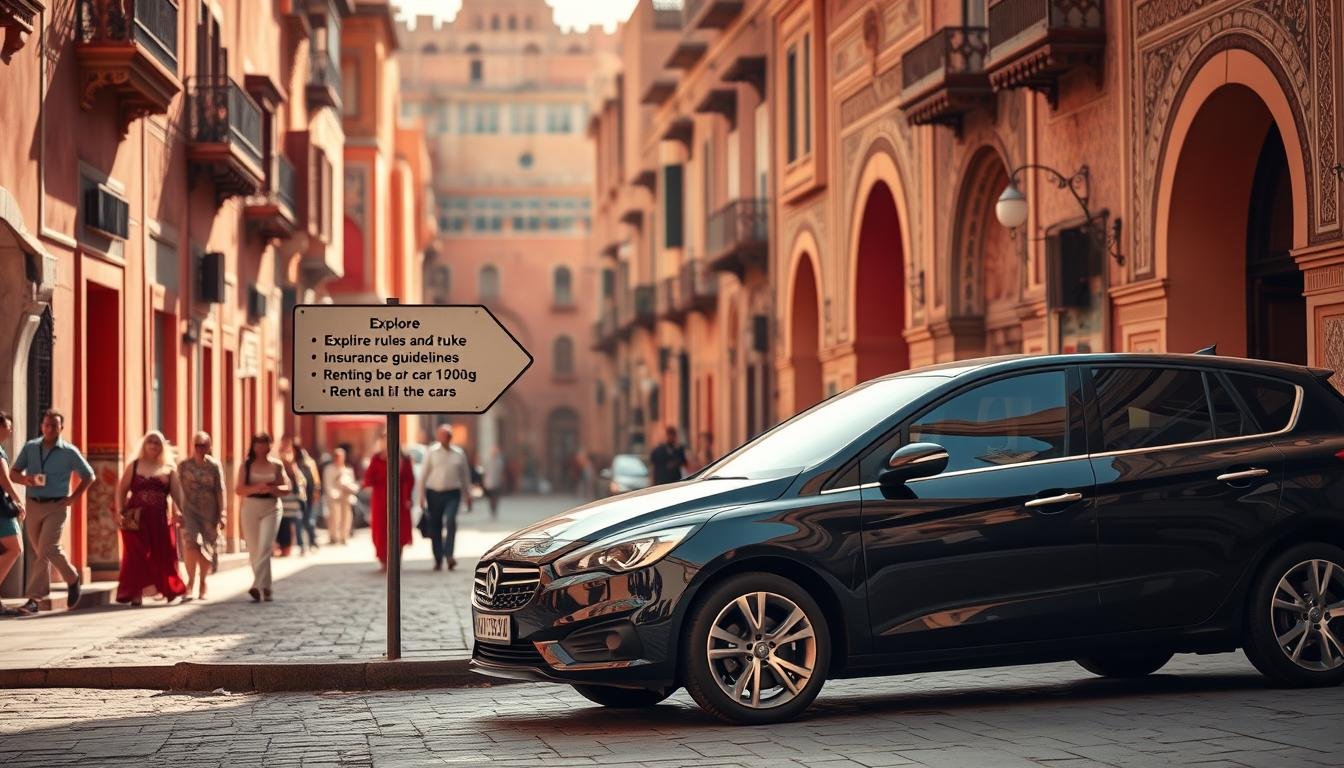
Renting a Car in Morocco Rules and Insurance Guide
Did you know that over 90% of Morocco’s incredible landscapes are virtually inaccessible by public transport? This surprising fact highlights why having your own wheels is the key to a truly authentic adventure.
This guide is your ultimate resource for navigating the process smoothly. We’ll walk you through all the essential details you need for a safe and fantastic journey.
You’ll learn how to avoid common pitfalls that can turn a dream trip into a hassle. Our advice comes from real traveler stories and local insights.
Whether you’re exploring bustling cities or the vast Sahara, your own vehicle offers unmatched freedom. You get to set your own pace and discover hidden gems across this beautiful country.
We cover everything from required documents to smart pricing strategies. Our goal is to make your Moroccan road trip smooth, secure, and absolutely unforgettable.
Introduction to Car Rental in Morocco
Exploring this beautiful country by private vehicle opens up a world of possibilities that scheduled transport simply can’t match.
Why You Should Consider Renting a Car
Public buses and trains are available, but they follow fixed routes and timetables. Having your own wheels gives you the freedom to explore at your own pace. You can stop for photos, discover hidden valleys, or spend extra time in a charming village.
This flexibility is perfect for a memorable road trip. You can visit remote Berber settlements or ancient landmarks that are off the main tourist trail. Your journey becomes a unique adventure.
Overview of the Rental Process
Getting a vehicle is straightforward. Many travelers use online aggregator sites to compare offers from various companies. These platforms let you see prices and read reviews before you book.
Once you choose a provider, you can often pick up your vehicle at the airport or in the city. The process is designed to get you on the road quickly. This convenience makes the start of your trip smooth and hassle-free.
Navigating Renting a Car in Morocco Rules and Insurance
Understanding the financial aspects of your vehicle rental can save you from unexpected surprises during your Moroccan journey. Getting familiar with policies upfront ensures a smoother experience.
Breaking Down the Rental Rules
Your rental agreement includes a Collision Damage Waiver (CDW) as standard coverage. This basic protection has important limitations you should know about.
The CDW typically covers up to 10,000 dirhams (about $1,000) in repairs. However, this amount represents your deductible that gets temporarily held on your credit card.
Understanding Your Insurance Options
Many travelers assume their credit card provides adequate protection. Make sure to verify coverage details, as policies often exclude this destination.
Pre-booking full coverage online costs approximately $9 daily. This option is usually more affordable than purchasing at the counter. It offers better peace of mind for your travels.
Consider supplemental “refundable excess” policies for comprehensive protection. These work as post-loss coverage, meaning you’d still need to file a claim if issues occur.
Essential Documentation and Requirements
Having the right paperwork ready makes picking up your vehicle a quick and easy process. Getting organized before your trip saves you time and stress.
You will need three key items to complete your transaction. These are a valid driver’s license from your home country, your passport, and a major credit card.
Driver’s License, Passport, and Credit Card Essentials
Your regular driver’s license is all you need. There is no requirement for an international driver’s permit. Just ensure the license has your photograph.
Your credit card is crucial for the security deposit. This hold on your card typically ranges from $1,000 to $1,500. Confirm your available credit is sufficient to avoid issues.
Keep these documents with you at all times during your journey.
Meeting Age and Other Prerequisites
While the legal driving age is 18, most agencies require drivers to be 21 or 23. Younger drivers might face extra fees.
Always keep your documents organized in the glove compartment. Police checkpoints are common, but officers are usually friendly to tourists.
Important: Never leave your passport with the rental company as collateral. This is not a standard practice. Politely decline any such request.
Ensure you receive the vehicle’s registration and insurance papers. Keep these safe but do not leave them in the vehicle overnight.
Comparing Local and International Rental Companies
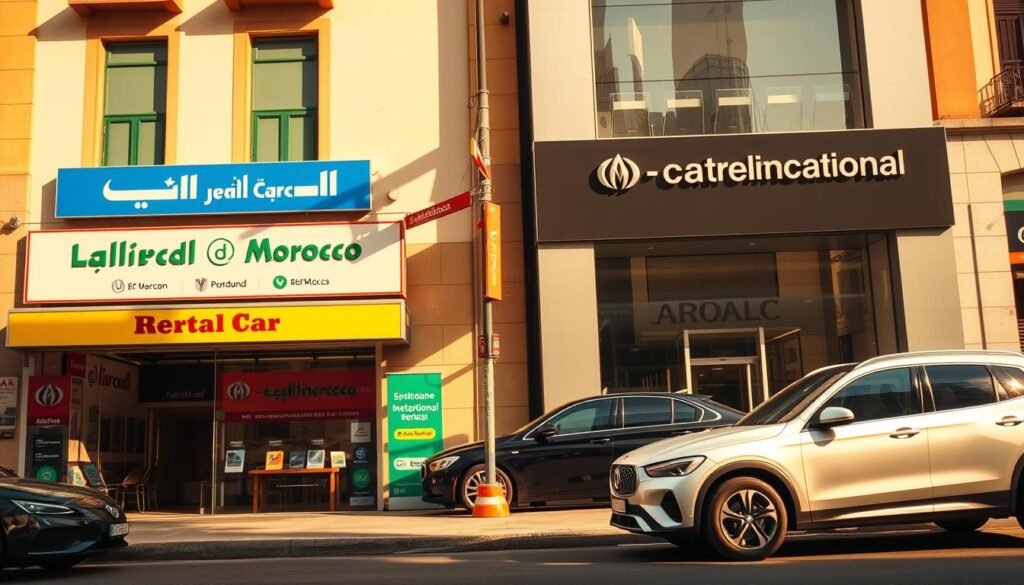
When you begin searching for vehicle options, you’ll quickly notice two distinct categories of rental providers available. Both international chains and local operators compete for your business across major cities.
Using aggregator sites like RentalCars.com gives you the best overview. These platforms display offers from all rental companies side by side. You can compare prices and read recent reviews in one place.
Pros and Cons of Each Option
International companies like Hertz and Avis have familiar branding and standardized processes. They often provide more flexibility for one-way trips between different locations. However, their rates are typically much higher than local alternatives.
Local car rental providers can save you significant money. You might find better deals if you’re comfortable negotiating. The language barrier can be challenging for some travelers though.
| Feature | International Companies | Local Companies |
|---|---|---|
| Average Daily Rate | $45-65 | $25-40 |
| One-Way Rental Option | Usually Available | Limited Availability |
| Language Support | English Speaking Staff | French/Arabic Preferred |
| Booking Process | Standardized Online | Often Requires Negotiation |
| City Coverage | All Major Locations | Varies by Provider |
Recent customer feedback is essential regardless of which company you choose. Experiences can vary dramatically within the same brand. Your decision should balance cost savings with your comfort level.
Car Inspection and Avoiding Hidden Damage Charges
Your vehicle handover represents one of the most important moments for protecting your deposit. Many automobiles show significant wear from previous journeys.
Staff will walk around with you using a damage diagram sheet. However, don’t rely solely on their markings for protection.
How to Thoroughly Inspect Your Vehicle
Take your time examining every part of the automobile. Check both exterior and interior surfaces carefully.
Look for scratches, dents, and any imperfections. Pay special attention to seats for cigarette burns.
Tips to Document Pre-Existing Damage
Create photo and video evidence before driving away. Point out each flaw clearly in your recording.
If staff miss something on their diagram, insist they add it. Visual proof becomes especially valuable with language differences.
Make sure you also verify the fuel level matches your contract. This prevents unexpected stops right after pickup.
Budget-Friendly Car Rental and Pricing Strategies

Getting the best value for your travel budget is a key part of planning any trip. Fortunately, securing a vehicle here offers excellent value, especially when compared to European rates.
You can find small, economical models for around $25-$30 per day. A five-day hire for a compact vehicle can cost as little as £57 total. Larger, newer SUVs often remain under £200 for the same period.
Understanding Rental Costs and Seasonal Variations
Your final price depends on the season, vehicle type, and how early you book. Traveling with companions makes the deal even sweeter.
Splitting the daily rate between friends often beats the cost of individual bus or train tickets. You gain incredible flexibility while saving a lot of money.
Fuel is another factor. Prices are about $4 per gallon. Remember, pumps measure in liters. Choosing a diesel model can cut your fuel costs on long journeys.
For the best deals, use aggregator sites to compare offers. Booking for a week or longer usually unlocks discounted rates. This detailed guide on renting a car in offers more smart tips.
Always factor in extras like full coverage insurance, which costs about $9 per day. Even with these additions, self-driving remains a budget-friendly way to explore.
Mastering Safe Driving on Moroccan Roads
Mastering the art of driving in Morocco means learning to read the road in ways you might not expect from your home experience. The country’s roads blend modern infrastructure with traditional life, creating a unique driving environment.
Navigating Road Conditions and Unique Traffic Challenges
Your road trip will feature diverse traffic beyond just automobiles. You’ll share the road with scooters, overloaded trucks, and even livestock. This requires constant attention and patience.
Honking serves as essential communication here. It’s not rude but functional – thanking others or encouraging animals to move. Avoid nighttime driving due to poor lighting and unclear markings.
Adhering to Speed Limits and Local Practices
Speed limits are clearly marked but strictly enforced. The limit is 120 km/h on highways and 60 km/h in urban areas. Temporary police checks are common, so maintain legal speed.
Watch for helpful gestures from local drivers. They often use turn signals to indicate when it’s safe to pass. Roundabouts are frequent in cities and require careful navigation.
Stay alert for traffic signals placed on the far right, sometimes obscured by foliage. This way of marking intersections can surprise newcomers. With practice, you’ll navigate these roads confidently.
Planning Your Ultimate Moroccan Road Trip
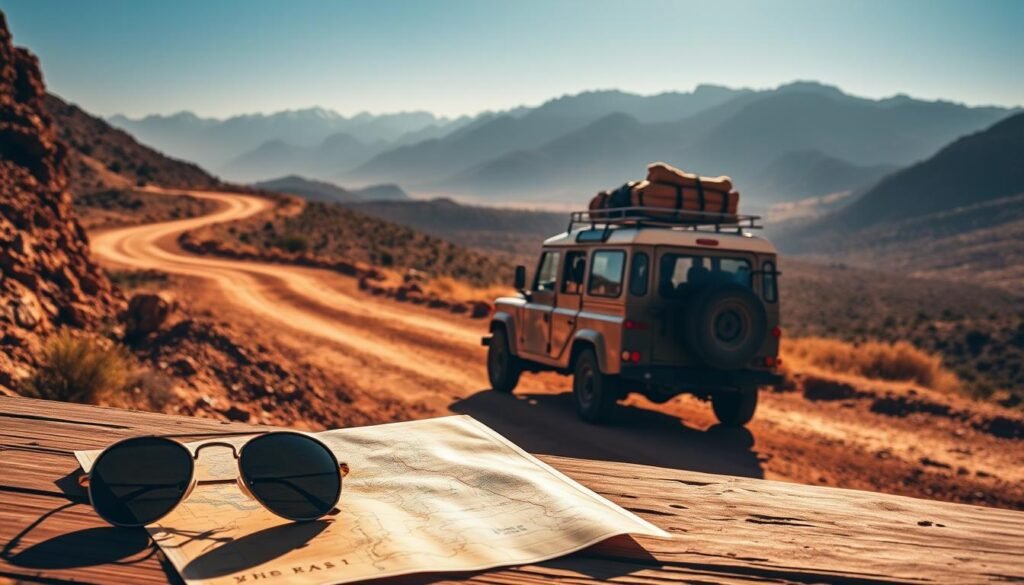
Embarking on a Moroccan road trip unlocks hidden treasures beyond typical tourist routes. The freedom to explore at your own pace transforms your journey into a personal adventure.
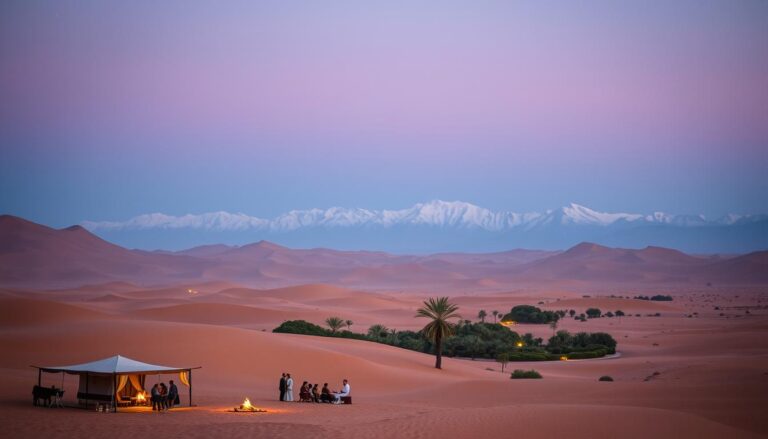
You will discover that the most popular route runs from Marrakech to Merzouga. This incredible trip takes you through stunning mountain passes and into the Sahara’s famous sand dunes.
Top Routes and Must-See Destinations
Plan your return journey to include the spectacular Todra Gorges. The dramatic rock walls create a breathtaking canyon perfect for short hikes.
Be aware that the Tishka Pass route can be blocked by snow during winter. Always have a flexible backup plan like rerouting through Agadir.
Consider including the blue city of Chefchaouen in your itinerary. Many travelers create a loop that ends in Fez for a convenient departure.
Your own vehicle opens up wonderful cultural opportunities. You might pick up hitchhikers who invite you to their villages for traditional tea.
You will appreciate the freedom to stop at countless scenic viewpoints. Explore small Berber villages that don’t appear in guidebooks.
Many travelers find the perfect balance by spending a few days in cities like Marrakech first. Then they pick up their vehicle for a week-long adventure.
The country’s incredible variety makes this type of travel essential. You can experience the full spectrum of landscapes within a limited time frame.
Understanding Additional Insurance Coverage Options
Navigating insurance options for your vehicle hire requires understanding the difference between basic coverage and supplemental protection. The standard policy includes theft and liability protection but comes with a substantial deductible.
Basic Insurance vs. Refundable Excess
Your basic car rental insurance covers essential risks but leaves you responsible for a 10,000 dirham deductible. This amount gets blocked on your credit card when you pick up the vehicle.
Refundable excess policies work differently. They reimburse you after you pay damages upfront. The rental company still places a hold on your card regardless of additional coverage.
| Coverage Type | Deductible Responsibility | Payment Timing | Annual Cost |
|---|---|---|---|
| Basic Insurance | You pay full deductible | Immediate hold on card | Included in rental |
| Refundable Excess | Reimbursement after claim | Hold still required | £59 for annual policy |
| Full Coverage | No deductible | Daily additional fee | Approx. $9 per day |
When to Opt for Extra Coverage
Consider additional protection if your credit card has limited available funds. The hold can tie up significant resources during your trip.
Given local driving conditions, comprehensive coverage offers valuable peace of mind. Review your car rental insurance options carefully before traveling.
Make sure your chosen policy matches your risk tolerance and financial comfort level.
Your Next Steps for a Stress-Free Moroccan Car Rental Adventure
You now have the essential knowledge to confidently handle your vehicle hire. This preparation helps you avoid common issues that can trouble travelers.
Begin by using aggregator sites to compare offers from different rental companies. Read recent reviews carefully to make an informed choice. This simple step can save you a lot of hassle.
Have your driver’s license, passport, and credit card ready. Keep these documents secure in the glove compartment for your entire trip. Taking photos during the vehicle inspection is a smart tip.
Upon return, verify the “no damage” box is checked before you sign. Refuse any extra fees not in your original contract. With these tips, you’re set for an amazing journey across this diverse country.