Cultural Etiquette Tips for Tourists in Morocco: Dos and Don’ts
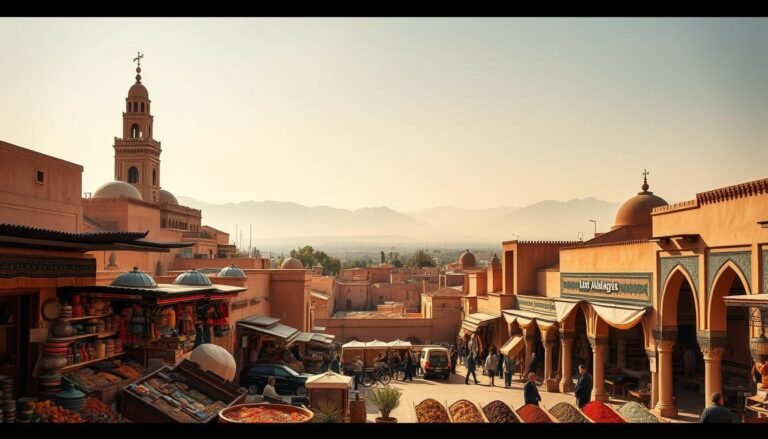
Did you know that over 99% of Moroccans practice Islam, making it one of the most religiously homogeneous countries in Africa? This stunning North African nation blends ancient traditions with modern hospitality.
Understanding local customs transforms your journey from a simple vacation into a meaningful adventure. Morocco’s rich heritage comes from Berber, Arab, and European influences. This creates a unique social landscape.
Your awareness of proper behavior shows respect to your hosts. It opens doors to authentic experiences most visitors never see. Moroccans are famously warm and welcoming when they feel their traditions are honored.
This friendly guide helps you navigate social situations with confidence. You’ll learn about appropriate dress, greeting customs, and dining manners. These simple adjustments make your trip smoother and more rewarding.
Whether you’re exploring bustling markets or quiet mountain villages, knowing a few key things ensures positive interactions. You’ll avoid unintentional mistakes while building genuine connections with local people.
Embracing Moroccan Greetings and Gestures
Your first interaction in Morocco sets the tone for meaningful connections. Greetings here are formal yet filled with genuine warmth. Understanding these customs helps you connect more deeply with locals.
Understanding Formal and Informal Greetings
The traditional greeting “salaam alykum” welcomes everyone warmly. People of the same sex often shake hands or exchange cheek kisses. Always use your right hand for handshakes and gestures.
After the pandemic, many people now touch elbows or place a hand on their heart. This respectful way maintains connection while honoring health concerns. It shows adaptability within tradition.
Navigating Gender-Specific Interactions
When men greet women, they should wait for her to extend her hand first. If she doesn’t, a simple head bow works perfectly. Physical contact between genders is reserved for close acquaintances.
Remember to beckon someone with your palm facing down. Never use your index finger to motion a person over. This small gesture shows respect for Moroccan culture and proper etiquette.
Dressing Appropriately in Morocco
Your choice of clothing is a powerful sign of respect in this conservative country. Selecting the right attire shows you value local customs. It helps you blend in and connect with people.
Modest dress is expected everywhere. For men, this means covering shoulders with t-shirts or collared shirts. Trousers or knee-length shorts are appropriate.
Women should choose long, loose-fitting clothes. These garments should cover arms, legs, chest, and back. You don’t need to cover your hair daily, but it’s a key part of visiting holy sites.
Urban and Rural Dress Code Differences
In major cities like Marrakesh, you’ll see a wider range of styles. Young locals might wear more modern clothes. However, modest dress is still the safest choice.
Rural areas require more conservative attire. You should cover your arms and legs completely. Observing what locals wear gives you the best guidance.
Mosque Attire and Modesty Guidelines
When visiting mosques, special rules apply. Women must cover their hair with a scarf. Both men and women need clothing that covers from shoulders to ankles.
Comfortable sandals are perfect for your travels. You will remove shoes often before entering homes and sacred spaces. During Ramadan, choose even more modest clothing to show extra respect.
Dining Etiquette and Table Manners in Morocco
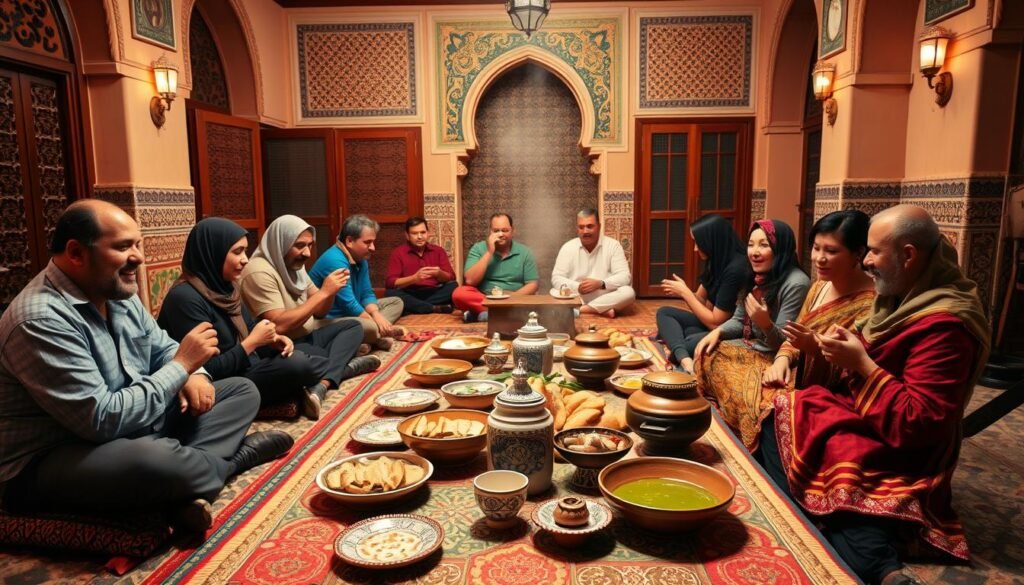
Sharing a meal in a Moroccan home offers a beautiful glimpse into the heart of local traditions. The dining experience combines delicious flavors with meaningful customs. Understanding these practices enriches your culinary journey.
Before the meal begins, your host may bring a basin of water to the table. This hand-washing ritual is a standard part of the experience. Wait for the blessing “bismillah” before you start eating.
Using Your Right Hand for Eating
Always use your right hand for eating in Morocco. The left hand is reserved for personal hygiene. This practice shows respect for religious traditions.
When eating bread, hold it between your fingers. Use your thumb as a scoop for food. Many people find it easier to discard the soft center and use only the crust.
Communal Meals and Timing Etiquette
When sharing a communal plate, take food only from the area directly in front of you. Wait for the host to offer special pieces like meat. This shows patience and respect.
Moroccan cuisine is incredibly generous. Your host will likely offer more food multiple times. Politely refuse the first offer, then accept a small portion if offered again.
When you’re completely full, pat your stomach and say “La, shukrran.” This gentle refusal is understood as appreciation for the generous hospitality.
Cultural Etiquette Tips for Tourists in Morocco
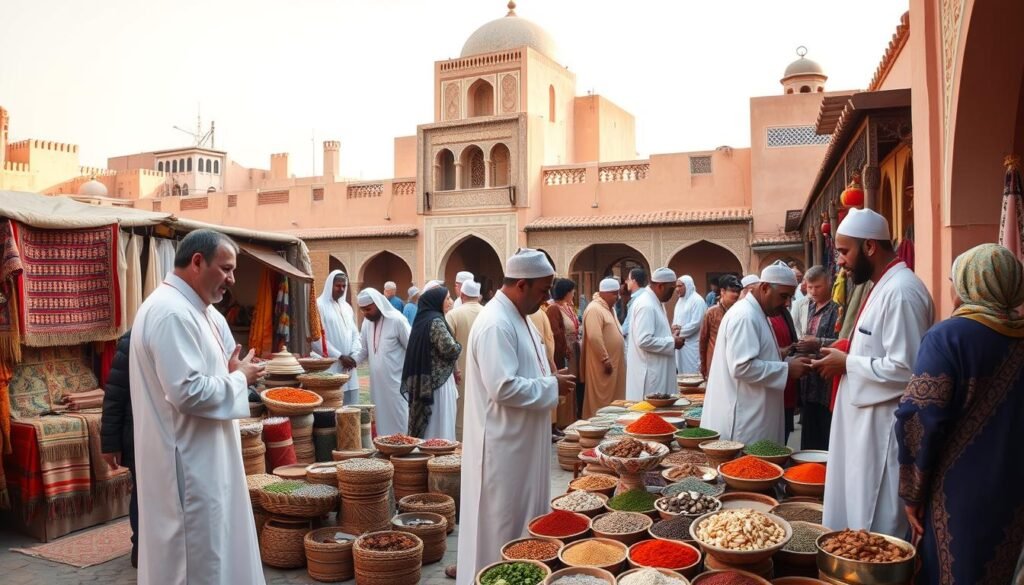
Beyond greetings and dining, there are important legal and social norms to consider during your stay. Understanding these aspects of etiquette Morocco expectations helps prevent misunderstandings.
Respect for the monarchy is a serious matter here. Never criticize the king or royal family publicly. This is protected by law and violations can lead to legal consequences.
Islam is deeply woven into the social fabric. While questions about religion are welcome, avoid controversial opinions. This respect is a fundamental part Moroccan society values greatly.
Photography requires sensitivity. Many people prefer not to be photographed without permission. Always ask first in public places and private spaces.
Certain locations are off-limits for photography. Military sites, police stations, and border areas should never be photographed. This is illegal and could cause serious problems.
Tipping is an expected part Moroccan service culture. It shows appreciation for good service. The amounts vary by situation but follow general guidelines.
Here’s a helpful reference for tipping across different services:
| Service | Suggested Tip | Notes |
|---|---|---|
| Restaurants | 10-15% | For good service |
| Hotel Porters | 10-20 dirhams | Per bag |
| Housekeeping | 20 dirhams daily | Left in room |
| Taxi Drivers | Round up fare | To nearest 5 dirhams |
| Tour Guides | 50-100 dirhams | Per person daily |
These guidelines reflect common practice. Adjust based on service quality. Tipping is a way to show appreciation within the local etiquette Morocco system.
Understanding these norms will help you navigate various situations. They are part of showing respect for moroccan culture and its traditions. This knowledge enhances your experience significantly.
There’s a lot to appreciate about local customs. Learning more about Moroccan social expectations can deepen your connection to this beautiful place.
Following these guidelines ensures positive interactions. They represent important aspects of social etiquette Morocco visitors should understand. Your awareness shows respect for local values.
Navigating Social Interactions and Public Behavior
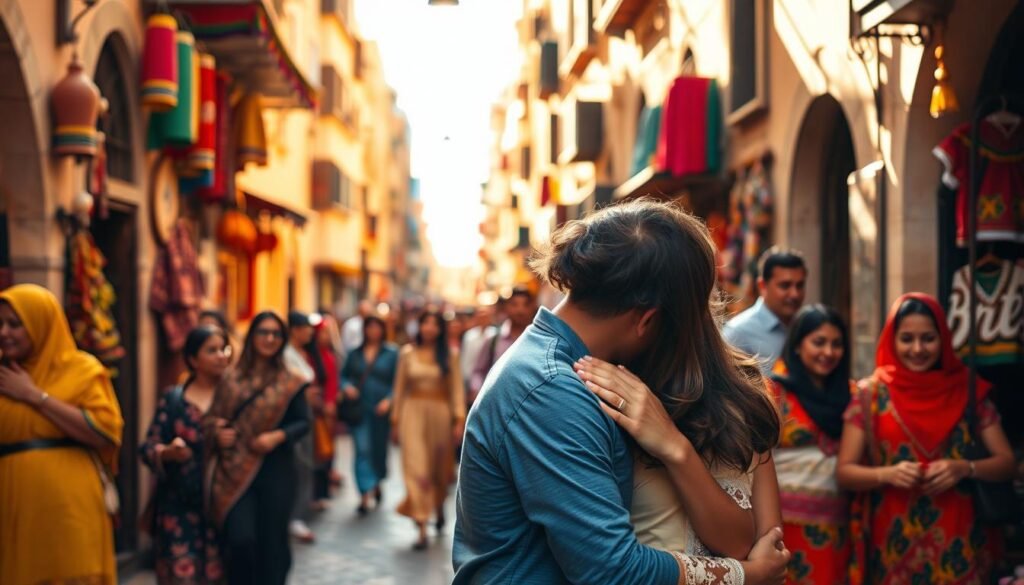
Understanding social cues in a new country helps you connect with locals respectfully. Your awareness of public behavior makes your journey smoother.
Managing Public Displays of Affection
You might see people of the same sex holding hands or hugging. This is a common sign of friendship, especially among older men from rural areas. These public gestures are purely platonic.
Public displays of affection between a man and woman are different. Kissing or romantic contact is not acceptable in public spaces. This is important to remember.
Homosexual activity is illegal. The law is rarely applied to visitors, but discretion is strongly advised. Gender roles are more defined than in many Western countries.
A woman traveling alone might receive unwanted attention. The best response is to completely ignore it. If you feel uncomfortable, alert a police officer.
Morocco is generally safe. However, be cautious with invitations from men you don’t know well. Trust your instincts in every situation.
Understanding Home and Hospitality Etiquette in Morocco
Receiving an invitation to a local home is a special honor. It shows a high level of trust and welcome from your host. This experience offers a genuine look into family life.
Moroccan hospitality is legendary. Whether invited by new friends or through a tour, knowing the rules is key. Your respect for their place makes the visit enjoyable for everyone.
Customs for Entering a Local Home
The first rule is to remove your shoes at the door. Your host will often provide indoor slippers. You can also go barefoot if that is the custom.
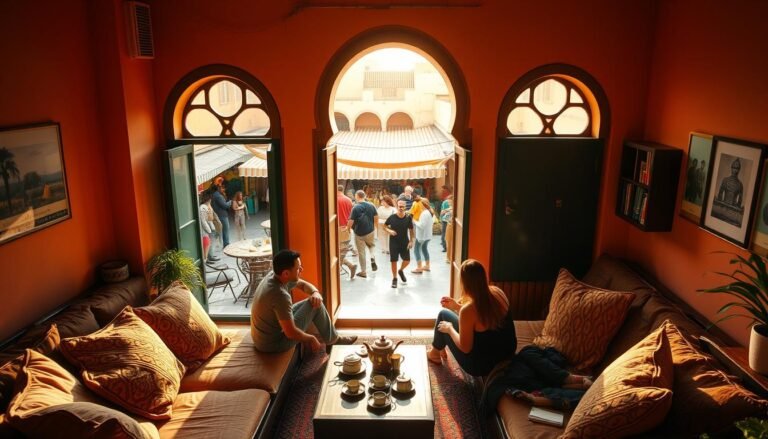
Once inside, expect a period of polite conversation. This social time is very important. Your host will likely offer mint tea, coffee, and sweets soon after.
Offering Gifts and Respectful Conversation
Bringing a gift is a wonderful tradition. It shows appreciation for the invitation. Thoughtful presents are always well-received.
Good gift choices include pastries, dates, nuts, or high-quality tea. Fresh flowers are also a lovely option. Small toys for children in the home are a kind gesture.
Always confirm if your partner is included in the dinner invitation. Some traditional families entertain men and women separately. This avoids any potential awkwardness.
| Recommended Gifts | Gifts to Avoid | Special Notes |
|---|---|---|
| Dates, Figs, Nuts | Alcohol | Unless you know your host’s preference |
| High-Quality Tea | Hot Dishes | Not a customary gift |
| Fresh Pastries | Overly Personal Items | Stick to traditional, consumable gifts |
| Fresh Flowers | Expensive Gifts | The gesture matters more than the cost |
Seating often involves low tables and floor cushions. Enjoy the communal dishes and engaging conversation. This warm welcome is a highlight of any trip.
Haggling and Shopping Etiquette in Moroccan Souks
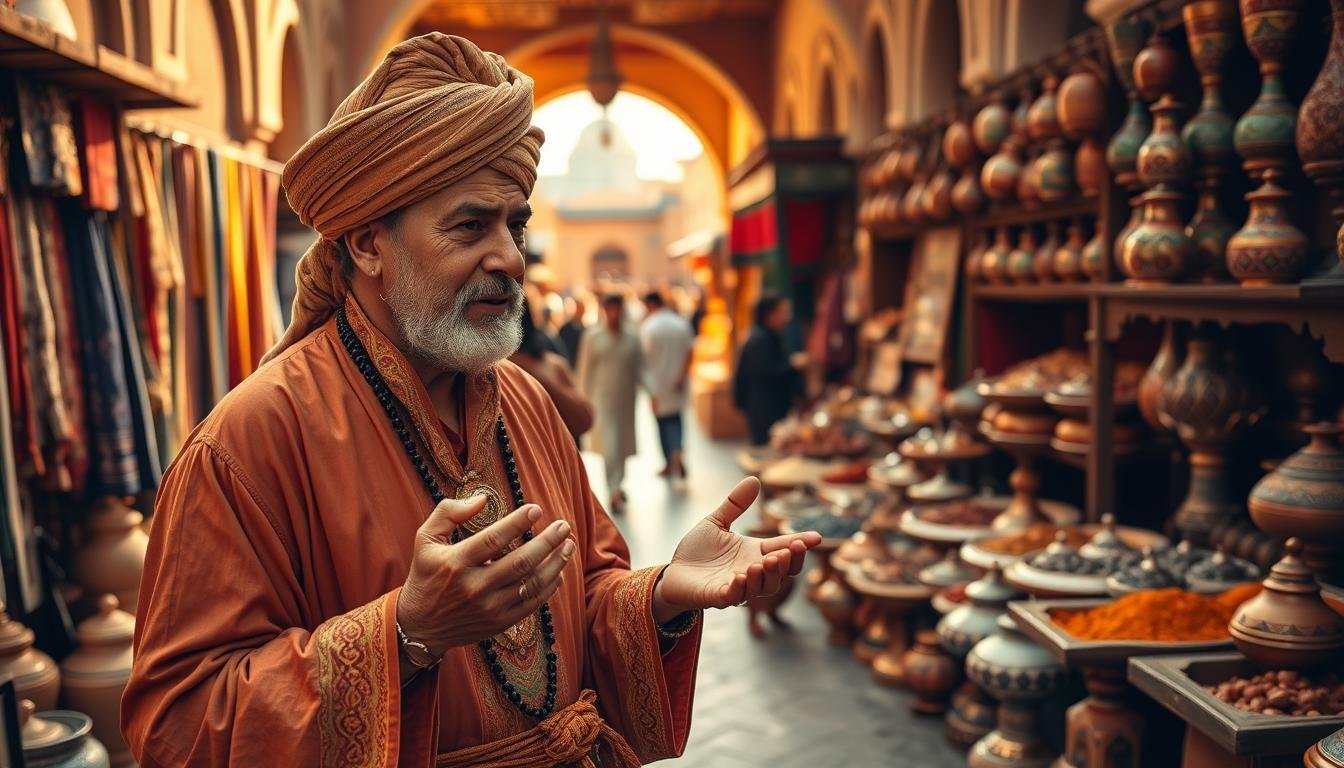
Stepping into a Moroccan souk is like entering a vibrant world of colors, scents, and sounds. These traditional markets are some of the most enchanting places to explore in the country. You will find a lot of unique items, from spices to lanterns.
Shopping here is a social experience. The art of bargaining is a normal way to shop. Both locals and visitors engage in this friendly practice.
Mastering the Art of Bargaining
Haggling is expected and fun. Start by offering about half of the vendor’s first price. A good final price is often around 70% of the starting amount.
Keep the interaction light and friendly. It’s a game, not a fight. If the deal isn’t right, you can always walk away politely.
Getting lost in the maze-like medinas of cities like Marrakesh can happen. If a person helps you, a small tip of 5-10 dirhams is a kind thing to offer.
They might ask for more, but that’s common. Shopping for things in the souk is about more than buying stuff. It’s about connecting with the local way of life.
| Item Type | Typical Starting Price | Good Target Price |
|---|---|---|
| Spices (per 100g) | 40-60 dirhams | 25-35 dirhams |
| Small Leather Goods | 150-200 dirhams | 80-120 dirhams |
| Ceramic Tagine | 120-180 dirhams | 70-100 dirhams |
| Textile Scarf | 80-120 dirhams | 45-70 dirhams |
Respecting Religious Sites and Sacred Traditions
When exploring Morocco’s spiritual landscape, understanding the boundaries around sacred spaces becomes essential. These places hold deep meaning for local communities.
Guidelines for Visiting Mosques and Shrines
Non-Muslim visitors typically cannot enter most mosques, shrines, or graveyards. The Hassan II Mosque in Casablanca is a major exception. This stunning mosque casablanca welcomes non-Muslims on guided tours.
Other accessible sites include Tin Mal in the High Atlas and Moulay Ismail’s mosque in Meknes. The Hassan II Mosque Casablanca offers a rare look inside a functioning mosque. A professional guide will explain the beautiful Islamic architecture.
Photography near religious sites requires sensitivity. Maintain distance and avoid peering inside. Whether you are a man or woman, dress modestly with head covering for women. This respect crosses gender lines regardless of sex.
Walking through graveyards or near religious schools should be avoided. These are sacred spaces in local culture. Your respectful behavior shows appreciation for spiritual traditions.
Final Thoughts on a Respectful Moroccan Journey
The true beauty of Morocco lies not just in its landscapes, but in the warmth of its people and the richness of their traditions. This fascinating country blends influences from Amazigh, Arab, and European culture into a unique tapestry. Your respect for local etiquette shows appreciation for this heritage.
Simple courtesies like using your right hand and dressing modestly quickly become second nature. They are an important part of daily life here. Learning a few Arabic phrases shows effort that locals genuinely appreciate, even in major cities.
Your open approach to moroccan culture opens doors to authentic experiences. You’ll discover the generous spirit that makes this world so special. These meaningful connections create memories that last long after your journey ends.