Public Transport Options in Morocco
Did you know Morocco’s railway system stretches over 2,100 kilometers, connecting major cities while offering breathtaking views of the countryside? This extensive network makes exploring this vibrant country both accessible and memorable.
Navigating a new country can feel daunting, but with the right knowledge, you’ll move around with confidence. From efficient trains to colorful local buses, you’ll discover diverse ways to experience authentic Moroccan life.
This comprehensive guide helps you master every aspect of getting around. You’ll learn practical tips for purchasing tickets, staying safe, and combining different modes for the perfect journey.
Understanding local transportation unlocks deeper cultural experiences. You’ll interact with friendly residents and adapt to regional variations that make each area unique.
Whether you’re planning city exploration or desert adventures, this resource prepares you for an unforgettable trip. Embrace the convenience and excitement that awaits on Morocco’s roads and rails!
Understanding Morocco’s Public Transport Landscape
Imagine weaving through ancient medinas on foot, then hopping on a modern train to your next destination. This beautiful country offers diverse landscapes that demand flexible movement strategies.
Local systems provide the perfect way to experience authentic culture while saving money. You’ll discover that shared rides often cost less than private tours while offering richer experiences.
Why Public Transport is Your Best Bet for Exploration
From bustling urban centers to remote mountain villages, the variety of landscapes requires smart movement choices. You’ll find that mixing different modes creates the most efficient journey.
Consider these advantages for your trip:
- Cost-effective exploration: Local options typically cost far less than private drivers or tours
- Authentic cultural immersion: You’ll share rides with residents and experience daily life
- Environmental benefits: Choosing shared transportation reduces your carbon footprint
- Flexible itineraries: You can adjust plans easily based on local advice
Many travelers worry about reliability and safety. With proper planning and these essential tips for navigating Morocco’s transportation, you can mitigate concerns effectively.
Mixing and Matching Transport Methods for Your Trip
The smart approach combines different modes based on your route and budget. You might take trains between major cities, then switch to buses for rural areas.
Popular combinations include:
- High-speed trains between urban centers followed by local buses to villages
- Long-distance coaches to regional hubs combined with taxis for final miles
- Rail travel to mountain regions supplemented with guided tours for remote areas
Your travel style determines the perfect blend. Budget-conscious explorers might prioritize buses and shared taxis. Comfort-seeking travelers could combine first-class trains with private drivers for specific segments.
Use local apps and station advice to seamlessly connect different routes. This flexible approach ensures you never miss hidden gems between major destinations.
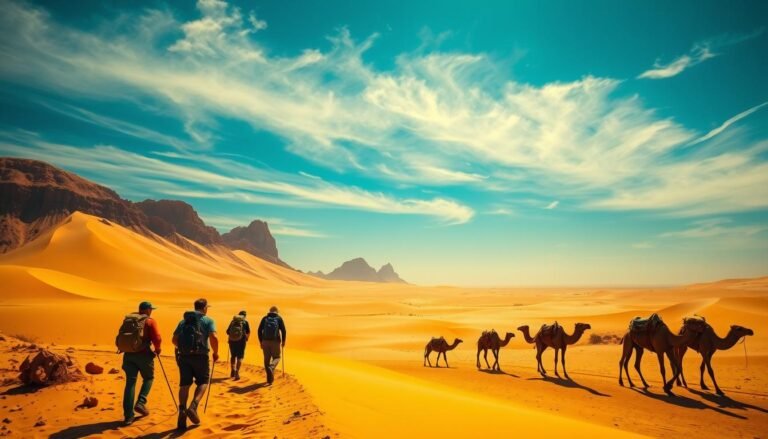
Remember that some areas like the Atlas Mountains or Sahara Desert require specialized transportation. Here, combining buses with local guides or 4×4 vehicles works best.
This diverse nation rewards those who embrace varied movement options. Your adventure becomes more memorable when you experience the country through multiple perspectives.
Whether you’re planning a two-week journey or a quick city hop, understanding how to blend transportation modes transforms your experience. You’ll discover that the right combination makes getting around morocco both efficient and enriching.
Navigating Morocco’s Cities with Taxis
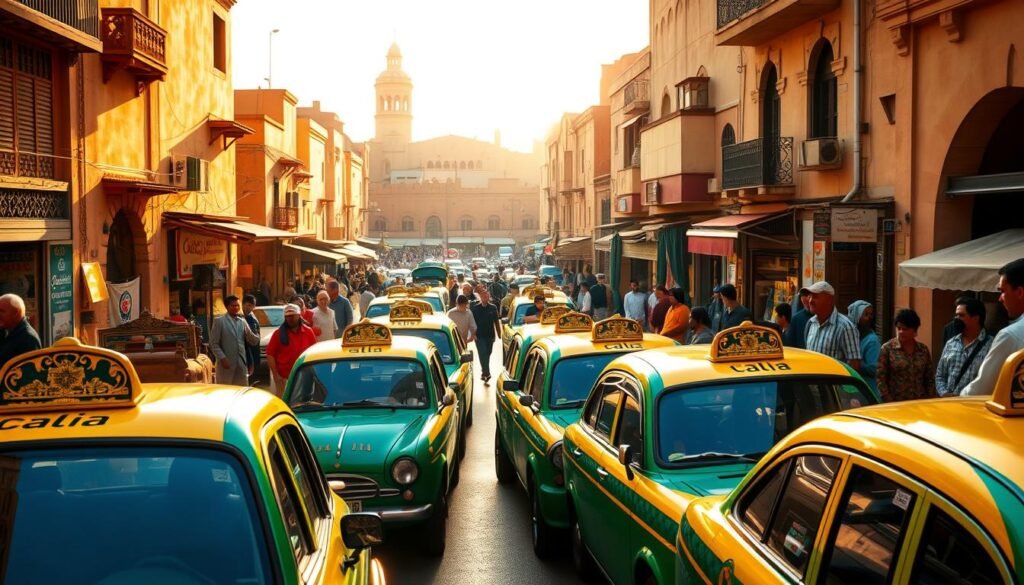
When exploring urban centers in this North African nation, taxis become your personal gateway to discovery. These convenient vehicles offer flexible movement through crowded streets and narrow alleys.
You’ll find two main types serving different purposes. Understanding this system makes urban exploration smooth and authentic.
Petits Taxis: Your Go-To for City Travel
These small vehicles operate within city limits. They’re perfect for short distances and quick trips.
Look for color-coded cabs that vary by location. Casablanca features red ones, while Rabat uses blue.
Always ensure the meter is running. Drivers should activate it when your ride begins.
Carry small bills for payment. Most petits taxis don’t accept credit cards.
Hail them on the street or find them near stations. They’re most abundant in commercial areas.
Grands Taxis: For Longer Journeys and Sharing Rides
These larger vehicles connect cities and towns. They follow fixed routes between destinations.
You’ll share the space with other passengers. The vehicle departs when all seats are filled.
Expect to pay around Dh50 for inter-city travel. Negotiate the price before getting in.
For custom itineraries, rent the entire vehicle. This gives you complete control over your route.
Sharing these rides offers cultural immersion. You’ll travel alongside locals going about their day.
Booking Apps and Services Like Careem
Modern technology simplifies your transportation needs. Apps provide reliable service with fixed pricing.
Careem operates in major urban centers. You’ll find it in Casablanca, Rabat, and Tangier.
These services offer convenience and safety. You’ll know the price before confirming your ride.
Drivers arrive at your exact location. No need to hail cabs on busy streets.
For airport transfers or late travel, consider pre-booked options. “Green taxis” provide specialized service for these needs.
Early mornings often mean quicker shared rides. Plan your travel during these hours for efficiency.
Always verify that vehicles are licensed. Avoid unmarked cabs for your safety.
With these tips, your urban exploration becomes effortless. You’ll move between destinations like a local.
Traveling Between Cities by Train
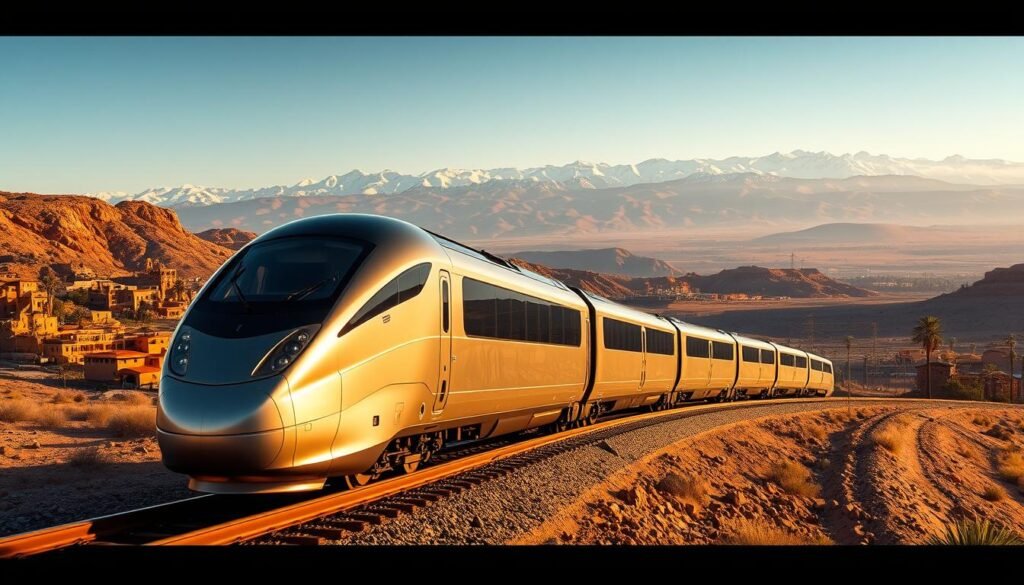
Africa’s first high-speed train revolutionizes how visitors connect between coastal cities and inland capitals. Rail travel offers an efficient way to experience diverse landscapes while moving between urban centers.
You’ll discover comfortable seating and modern amenities make trains a popular option for both locals and tourists. This mode of transportation combines affordability with memorable scenery viewing.
The High-Speed Al Boraq: Casablanca to Tangier
This modern marvel connects Tangier and Casablanca in just two hours. You’ll experience smooth, efficient travel at speeds up to 200 mph.
The tangier casablanca route represents a significant advancement in African infrastructure. Your journey includes comfortable seats and reliable service.
Consider booking first class for extra legroom and enhanced comfort. This premium option costs slightly more but improves your travel experience significantly.
ONCF’s National Network Connecting Major Hubs
The national rail system links important destinations across the country. You can reach Rabat, Fez, and Marrakesh through well-established routes.
This network serves as the backbone for intercity movement. Your travel between major urban centers becomes straightforward and predictable.
Note that southern regions aren’t served by rail lines. You’ll need alternative transportation for areas like the Sahara desert.
What to Expect On Board and Tips for a Smooth Ride
Modern trains feature air conditioning and clean facilities. You’ll find both first and second class seating available.
Pack snacks and drinks for longer journeys. While some trains offer food service, having your own supplies ensures comfort.
Arrive early at the train station to navigate platforms comfortably. Validate your ticket before boarding to avoid issues.
Potential delays sometimes occur, so build flexibility into your schedule. Crowded conditions might happen during peak travel periods.
The scenery outside your window showcases beautiful countryside views. You’ll witness changing landscapes that road travel often misses.
Booking online through official channels ensures the best prices. Advance purchases frequently offer discounts compared to last-minute tickets.
Rail travel remains one of the most cost-effective ways to move between cities. You’ll appreciate the stress-free nature of letting professionals handle the driving.
Exploring by Bus: From National Companies to Local Lines
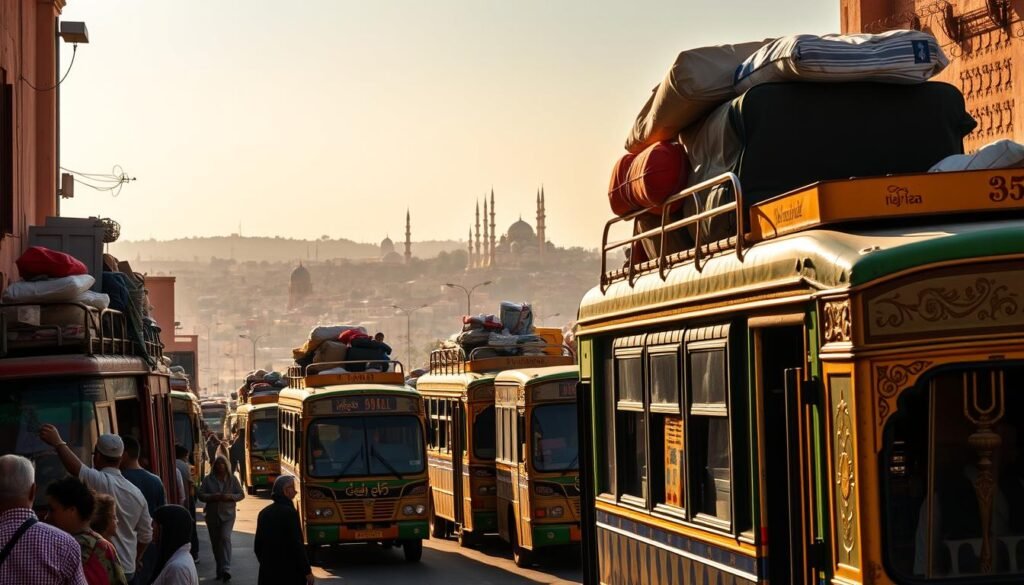
Imagine watching the landscape transform from bustling urban centers to quiet countryside vistas through a large window. Bus travel offers this unique perspective while connecting you to places trains can’t reach.
You’ll discover that coaches provide incredible value and extensive coverage. They serve as the backbone for movement beyond major urban hubs.
Whether you prefer modern comfort or local authenticity, there’s a perfect option for your adventure. Understanding the different services makes your planning smoother.
CTM and Supratours: Comfortable and Reliable Options
These two companies set the standard for quality coach travel. You’ll enjoy air-conditioned vehicles with reserved seating and modern amenities.
CTM operates an extensive network with designated stops nationwide. Their separate terminals often provide more organized boarding experiences.
Supratours coordinates perfectly with train arrivals for seamless connections. Since they’re owned by the railway company, your transition between modes becomes effortless.
Both offer online booking through their websites or platforms like 12Go. You’ll appreciate the convenience of securing your seat in advance.
Popular routes like Marrakech to Essaouira showcase beautiful coastal scenery. These journeys become highlights rather than just transportation.
Navigating Gare Routières (Bus Stations)
These central stations serve as hubs for regional and local services. You’ll typically find them on town edges rather than city centers.
Locating CTM offices might require asking directions since they often operate from separate facilities. Staff usually speak some English and can help with route information.
Buy tickets at least one day ahead for popular journeys. Last-minute purchases might leave you with limited options or longer waits.
Small bags travel with you while larger luggage goes below. Expect a small fee around 10-15 MAD for suitcase storage.
Stations feature basic amenities and snack vendors. Grab water and snacks before departure since coaches don’t have onboard restrooms.
Understanding “Market Buses” for Rural Areas
When venturing into remote villages, you’ll encounter these basic local vehicles. They provide essential connections where modern coaches don’t travel.
These services prioritize function over comfort. You’ll experience authentic local travel alongside residents going about their daily routines.
Expect simpler vehicles without air conditioning or reserved seating. They follow flexible schedules based on passenger demand and market days.
For maximum safety, choose daytime travel on these routes. Night journeys might involve less frequent breaks and limited services.
Adapt to local customs like closed windows during dusty conditions. Following resident behavior helps you blend in comfortably.
Coach travel remains incredibly cost-effective compared to other options. You’ll stretch your budget further while covering more ground.
The extensive network reaches areas other transport can’t access. Your journey through scenic landscapes becomes an unforgettable experience.
For detailed planning advice, check this comprehensive guide to bus travel in Morocco. It covers everything from seat selection to handling luggage fees.
Choose front or mid-bus seats for smoother rides on winding mountain roads. These positions reduce motion sensitivity during longer journeys.
Breaks every few hours allow stretching and snack purchases. Use these stops to experience local roadside culture and refreshments.
Whether you’re exploring coastal towns or mountain villages, buses offer the perfect balance of affordability and adventure. Your wallet will thank you while your memory book fills with incredible experiences.
Considering Domestic Flights and Rental Cars
Sometimes the journey becomes as memorable as the destination itself when you choose the right wheels or wings. While trains and buses cover most routes beautifully, certain situations call for alternative approaches.
You might need to cover vast distances quickly or reach remote areas without regular service. Perhaps you value complete schedule freedom or want to avoid navigating unfamiliar roads.
Three excellent choices exist beyond conventional methods. Each offers distinct advantages depending on your itinerary and preferences.
When Flying with Royal Air Maroc Makes Sense
Domestic flights save precious time on long routes. For example, flying from Marrakesh to Errachidia takes one hour instead of eight by road.
Royal Air Maroc connects major cities with regional airports. This option works best when time matters more than budget.
Consider flying if:
- Your schedule has limited flexibility
- You’re covering extreme distances
- Ground transportation seems overly complex
Book early through their website for better fares. Remember that flying has higher environmental impact than ground travel.
Renting a Car for Ultimate Flexibility
Having your own vehicle unlocks incredible freedom. You can stop anywhere that catches your eye and explore at your own pace.
Major companies like Hertz and Avis offer reliable services. Expect to pay around $55 daily for a standard car.
This way works perfectly for:
- Remote areas like the atlas mountains
- Southern regions with limited service
- Travelers wanting complete schedule control
Always check vehicle conditions before driving away. Consider full insurance coverage for peace of mind.
Local firms might offer better rates through negotiation. Compare prices online before committing.
Hiring a Private Driver for a Stress-Free Journey
Enjoy the comfort of a car without navigation worries. A professional handles driving while you relax and enjoy scenery.
This service costs approximately $42 daily. You get door-to-door service with local expertise.
Your driver becomes a guide and cultural interpreter. They know the best routes and hidden gems.
Perfect for:
- First-time visitors uncomfortable with local driving
- Custom itineraries requiring multiple stops
- Groups splitting costs among travelers
Book through reputable agencies for guaranteed quality service. Confirm all details in writing beforehand.
Each option serves different needs beautifully. Flying saves time, rental cars offer freedom, and drivers provide relaxation.
Consider your budget, timeline, and comfort preferences. The right choice makes your adventure smoother and more enjoyable.
Your Guide to Buying Tickets and Navigating Stations
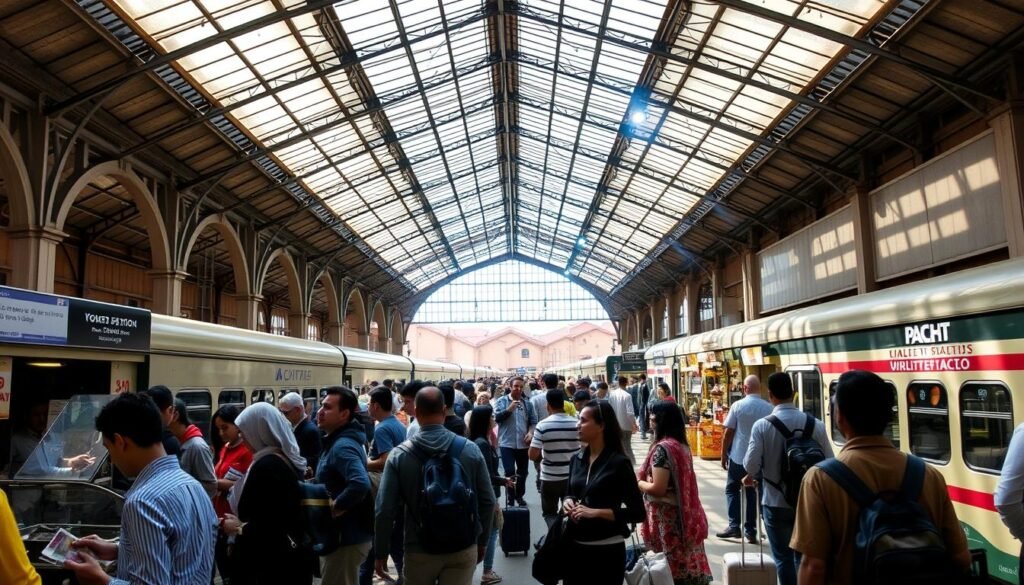
Mastering ticket purchases and station navigation transforms your journey from stressful to seamless. You’ll gain confidence knowing exactly how to secure your seats and move through terminals efficiently.
Understanding local systems saves valuable time and reduces confusion. With these practical strategies, you’ll handle transactions like a seasoned traveler.
How to Purchase Train and Bus Tickets Successfully
Online booking through official websites sometimes presents challenges. International payment cards may not work on ONCF, CTM, or Supratours sites.
For reliable service, consider purchasing in person at stations. Arrive early to avoid long queues during peak hours.
Third-party services like Marrakech Tickets offer electronic forwarding for a small fee. This convenient option ensures you receive valid digital tickets.
Popular routes often sell out quickly during high season. Book your seats several days in advance to guarantee availability.
Always keep your purchased tickets in a secure location. Understanding refund policies prevents disappointment if plans change.
What to Know About Payment Methods for Travel
Cash remains king for most transportation transactions. Carry local currency in various denominations for flexibility.
Small change proves essential for taxi fares and local transport. Drivers appreciate exact payment for smoother transactions.
Credit cards work at major stations but not always for smaller purchases. Have backup cash for unexpected situations.
At the train station, ask about student or senior discounts if applicable. These reductions can significantly lower your travel costs.
Ticket validation machines are used for trams and some rail services. Remember to stamp your ticket before boarding to avoid fines.
Language barriers might occur during payment conversations. Learn basic French or Arabic phrases for smoother interactions.
With proper preparation, purchasing tickets becomes straightforward. You’ll navigate payment systems with confidence and ease.
Essential Tips for Getting Around Morocco Safely
Exploring this vibrant country becomes more enjoyable when you feel secure during your journey. Smart planning and awareness transform potential worries into confident adventures.
You’ll discover that simple precautions make a significant difference. From handling money to choosing routes, each decision enhances your experience.
Handling Cash and Negotiating Fares
Cash remains essential for most transportation payments. Carry small bills and coins for smooth transactions.
Always confirm the price before beginning your ride. This prevents misunderstandings later.
For grands taxis, negotiate the fare upfront. Agree on the total amount before entering the vehicle.
Petits taxis should use their meters. Politely request they activate it if forgotten.
Keep your money in separate pockets. This avoids showing large amounts during payment.
Prioritizing Safety on the Road
Road conditions vary significantly across regions. Adjust your expectations accordingly.
Daytime travel generally offers better visibility and security. Avoid overnight bus journeys when possible.
Choose reputable companies like CTM for longer routes. Their maintained vehicles and professional drivers provide peace of mind.
Secure your belongings in crowded spaces. Use bags that close securely and keep valuables hidden.
Stay aware of your surroundings at stations. Know your next move before arriving.
Planning for Accessibility and Mobility
Uneven surfaces and limited facilities present challenges. Advance preparation ensures smoother movement.
Consider hiring a private driver for customized assistance. They handle luggage and navigate difficult areas.
Operators like Morocco Accessible Travel specialize in adapted vehicles. They understand unique mobility needs.
Request specific seats when booking transportation. Front positions often offer more leg space.
Pack motion sickness remedies for winding mountain roads. Ginger candies or acupressure bands help considerably.
| Safety Aspect | Recommended Action | Benefit |
|---|---|---|
| Cash Handling | Carry small denominations | Smooth transactions and exact change |
| Fare Negotiation | Agree on price before ride | Avoids overcharging and disputes |
| Vehicle Choice | Select daytime CTM buses | Better visibility and professional drivers |
| Accessibility | Hire private driver service | Personalized assistance and adapted vehicles |
| Belongings Security | Use closed bags and hidden pockets | Protects valuables in crowded spaces |
Balance caution with curiosity during your exploration. Smart choices let you embrace adventure while staying secure.
Each day brings new discoveries when you move confidently. Your journey becomes both safe and unforgettable.
Conclusion: Planning Your Moroccan Adventure with Confidence
Your Moroccan journey transforms from daunting to delightful when you master the art of local movement. This comprehensive guide has shown you diverse transportation options that make exploring this beautiful country both accessible and memorable.
Mix and match different modes for your perfect trip. Combine trains between cities with local buses to villages. Remember to book tickets early and carry cash for smooth travel.
Using local systems enhances cultural immersion and supports communities. You’ll create authentic connections while getting around Morocco efficiently.
Stay flexible if schedules change unexpectedly. Keep safety practices in mind and know accessibility options are available.
You’re now equipped to navigate any road or rail with confidence. Your unforgettable journey through vibrant markets and stunning landscapes awaits – embrace the adventure!
Share your experiences and seek local advice when needed. The memories you’ll create will last forever.