Casablanca, Morocco: A Comprehensive Travel Guide
You might be surprised to know that Casablanca is Morocco’s largest city and economic powerhouse, blending modern urban life with traditional culture. Located on the Atlantic coast, this vibrant city is often misunderstood as just a stopover, but it deserves more attention.
Casablanca is a commercial and cultural hub that attracts young people from across the country. Its impressive architecture and rich history make it a fascinating destination for visitors today. As you plan your trip to this captivating city, you’ll discover a unique blend of traditional and modern attractions that showcase its significance in the world.
In this comprehensive guide, we’ll explore the best of Casablanca, from major attractions to hidden gems, providing you with practical tips and authentic experiences to make your visit unforgettable.
Discovering the White City of Morocco
The White City of Casablanca is more than just a nickname; it’s a reflection of the city’s unique character and history. As the largest city in Morocco, Casablanca is often misunderstood by foreign visitors who bypass it for more traditional destinations like Marrakesh and Fez.
The Economic Heart of Morocco
Casablanca is the economic center of Morocco, driving the country’s commerce and industry. The city’s port is one of the busiest in the region, playing a crucial role in the national economy. As you explore Casablanca, you’ll notice its modern infrastructure, including office towers and convention centers, which underscore its status as a major commercial hub.
| Economic Aspect | Description | Importance |
|---|---|---|
| Commercial Center | Major hub for trade and commerce | High |
| Industrial Hub | Significant manufacturing base | High |
| Port City | Busiest port in the region | Critical |
Why Casablanca Deserves More Than a Stopover
Casablanca offers a distinct experience that sets it apart from other cities in Morocco. While it may lack the ancient medinas of Marrakesh and Fez, its modern, cosmopolitan character is a refreshing change. You can explore the vibrant local neighborhoods, visit the elegant Art Deco district, or enjoy the bustling port area. For a deeper dive into Casablanca’s hidden gems, check out this guide on Casablanca’s hidden beauty.
Each part of the city has its own charm, from the historic to the contemporary. Whether you’re interested in history, culture, or simply experiencing the local lifestyle, Casablanca has something to offer. As the center of Morocco’s economy and culture, it’s a place that deserves more than just a quick visit.
A Brief History of Casablanca
As you explore Casablanca, you’ll uncover layers of history that have shaped the city into what it is today. This transformation is evident in its architecture, cultural practices, and economic significance.
From Ancient Anfa to Modern Casablanca
Casablanca’s history dates back to ancient times when it was known as Anfa. Established by the Romans in 15 BC, it became a modest commercial port under Emperor Augustus. Although not much of Roman Anfa remains today, the city’s strategic importance as a port has continued through the centuries. The old city we see today was largely constructed in the late 18th century following a devastating earthquake. The name “Casablanca” is derived from the Arabic “ad-Dār al-Bayḍāʾ,” meaning “White House,” named after a Sufi saint’s family.
The city’s early development was influenced by various cultures, including Spanish colonial interests that partially financed its reconstruction. This multicultural influence is still visible in the city’s architecture and cultural practices.
The French Colonial Influence
The French colonial period had a significant impact on Casablanca’s development, particularly in the early 20th century. French Resident General Hubert Lyautey’s approach to “indirect” colonialism preserved traditional parts of the city while developing new European-style districts. This is evident in the city’s distinctive architecture, with many buildings from the 1930s still standing today.
| Period | Event | Impact on Casablanca |
|---|---|---|
| 15 BC | Roman Establishment | Became a modest commercial port |
| Late 18th Century | Reconstruction after earthquake | Old city constructed |
| Early 20th Century | French Colonial Rule | Distinctive European-style architecture developed |
Casablanca’s history as a commercial port has shaped its multicultural character and economic importance, making it a significant part of Morocco’s identity. Today, the city continues to thrive as a major urban center in the country.
Best Time to Visit Casablanca
As you plan your trip to Casablanca, understanding the city’s climate and seasonal events is crucial for making the most of your travel experience. Casablanca is a year-round destination, thanks to its balmy Mediterranean climate and the cooling Atlantic breeze.
Weather and Seasonal Considerations
Casablanca’s climate is influenced by the Atlantic Ocean, making it a pleasant city to visit at any time. The coldest months, from December to February, see daytime temperatures around 13°C (55°F), while August, the peak summer month, enjoys an average temperature of 23°C (73°F). The best times to visit are during the spring (March to May) and autumn (September to November), when the temperatures are pleasant and there are fewer crowds.
Summer months (June to August) are characterized by warmer temperatures and increased humidity, making it ideal for those who enjoy the beach and outdoor activities. In contrast, the winter months (December to February) are cooler, with occasional rainfall, making it a good time for indoor activities and experiencing the city’s cultural offerings.
Festivals and Events
Casablanca hosts various festivals and cultural events throughout the year, adding to its vibrancy. One of the notable events is Jazzablanca, an international music festival held over nine days in June. The city also celebrates religious festivals and cultural events, showcasing its rich heritage. Planning your visit around these events can enhance your experience, offering a glimpse into the city’s cultural richness.
Whether you’re looking for a cultural experience, a relaxing getaway, or an action-packed trip, Casablanca has something to offer at any time of the year. By considering the weather and seasonal events, you can tailor your trip to suit your preferences.
Getting to and Around Casablanca
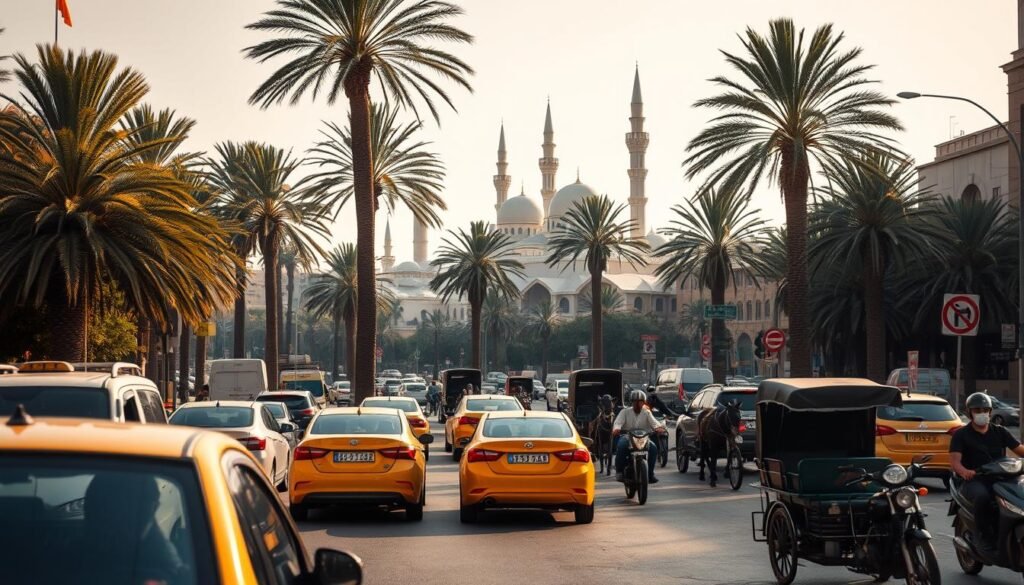
Reaching Casablanca is simple, thanks to its well-connected airport and efficient public transportation system. Whether you’re arriving by air or exploring the city, you’ll find various options to suit your needs.
Arriving at Mohammed V Airport
Mohammed V Airport is the primary gateway to Casablanca, serving international flights from around the world. The easiest way to travel the 30 kilometers (18 miles) from the airport to the city is by train. Trains depart hourly from within the airport terminal building. You can buy ONCF tickets online in advance or from the ticket office at the station. The journey time is 35 to 45 minutes, depending on your final stop.
Navigating the City by Public Transport
Casablanca’s public transportation system is modern and efficient, with the CasaBusway and CasaTramway routes running frequently and connecting significant areas. A single ticket costs Dh5 to Dh8 (US$0.50 to US$0.90), and it’s even cheaper if you buy a rechargeable card for Dh15 (US$1.75) and top up online. You can download an app to plan your bus and tram travel, making it easier to get around.
| Transportation Mode | Cost | Frequency |
|---|---|---|
| Train (ONCF) | Dh50 – Dh100 (US$5.50 – US$11) | Hourly |
| CasaTramway | Dh5 – Dh8 (US$0.50 – US$0.90) | Frequent |
| CasaBusway | Dh5 – Dh8 (US$0.50 – US$0.90) | Frequent |
Taxis and Ride-sharing Options
For short city center journeys, you can hail a licensed red petit taxi, which is a shared taxi that carries up to three passengers. Alternatively, you can use a ride-sharing service like Careem. Be aware that the airport taxi fare is between 300 and 400 Moroccan dirham (Dh300 to Dh400, roughly US$33 to US$44), depending on your destination and the time of day; traffic is heaviest during rush hour (7am to 9am and 5pm to 7pm).
By understanding your transportation options in Casablanca, you can navigate the city with ease, whether you’re heading to the Hassan II Mosque, exploring the Old Medina, or enjoying the Corniche. With a range of choices available, you’re sure to find a convenient and affordable way to get around.
The Ultimate Casablanca Morocco Travel Guide to Attractions
As you explore Casablanca, you’ll discover a blend of modern and traditional attractions that make this city a must-visit destination in Morocco. From historic landmarks to vibrant markets, Casablanca has something to offer for every kind of traveler.
Hassan II Mosque: An Architectural Marvel
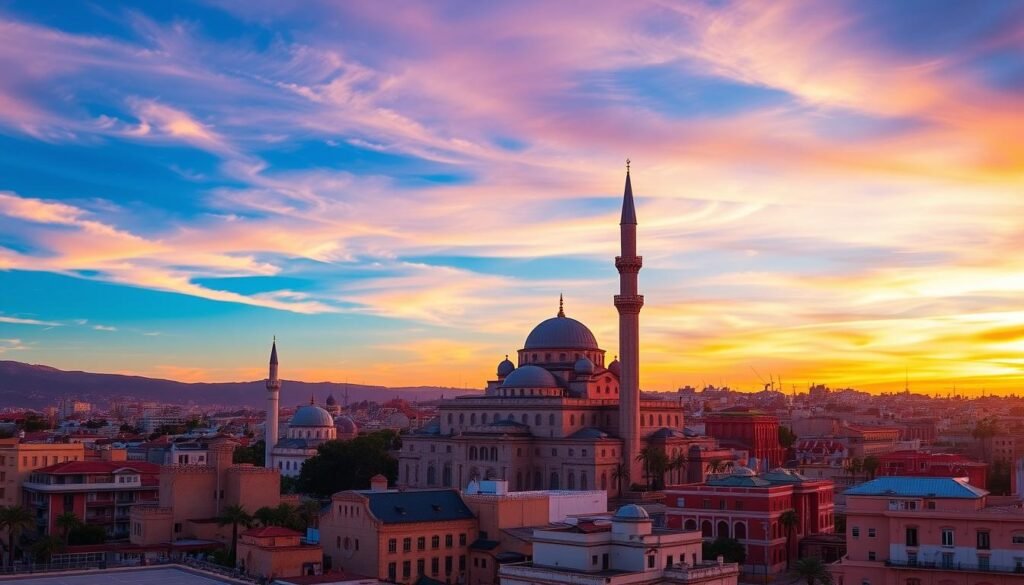
The Hassan II Mosque is one of Casablanca’s most iconic landmarks and a testament to the city’s rich cultural heritage. Situated on the shore of the Atlantic Ocean, this magnificent mosque is not only the largest in Morocco but also features the second-highest minaret in the world. Visitors can take guided tours to explore the mosque’s intricate architecture, including its marble, hand-carved cedarwood, and zellige tilework.
When visiting the Hassan II Mosque, be sure to dress modestly, covering your shoulders, torso, and knees. Guided tours are available around prayer times and last approximately 45 minutes. For a unique experience, visit on a fair-weather Friday to see the mosque’s retractable roof open to the sky.
The Old Medina: Stepping Back in Time
The Old Medina of Casablanca offers a glimpse into the city’s past, with its historic walls, traditional souks, and authentic local commerce. Unlike other medinas in Morocco, Casablanca’s Old Medina is less touristy, providing a more genuine experience for visitors. Explore the restored Ettedgui Synagogue, the 1930s clock tower marking the entrance, and the bustling streets filled with local vendors.
Quartier Habous: The New Medina
Quartier Habous, also known as the New Medina, was built during the French protectorate as a planned “traditional” neighborhood. This charming area is characterized by its attractive arcades, organized souks, and the impressive Mahkama du Pacha building. Visitors can stroll through the streets, admire the architecture, and shop for local handicrafts.
For more information on planning your trip to Casablanca, visit Casablanca Travel Guide.
Exploring Casablanca’s Modern Side
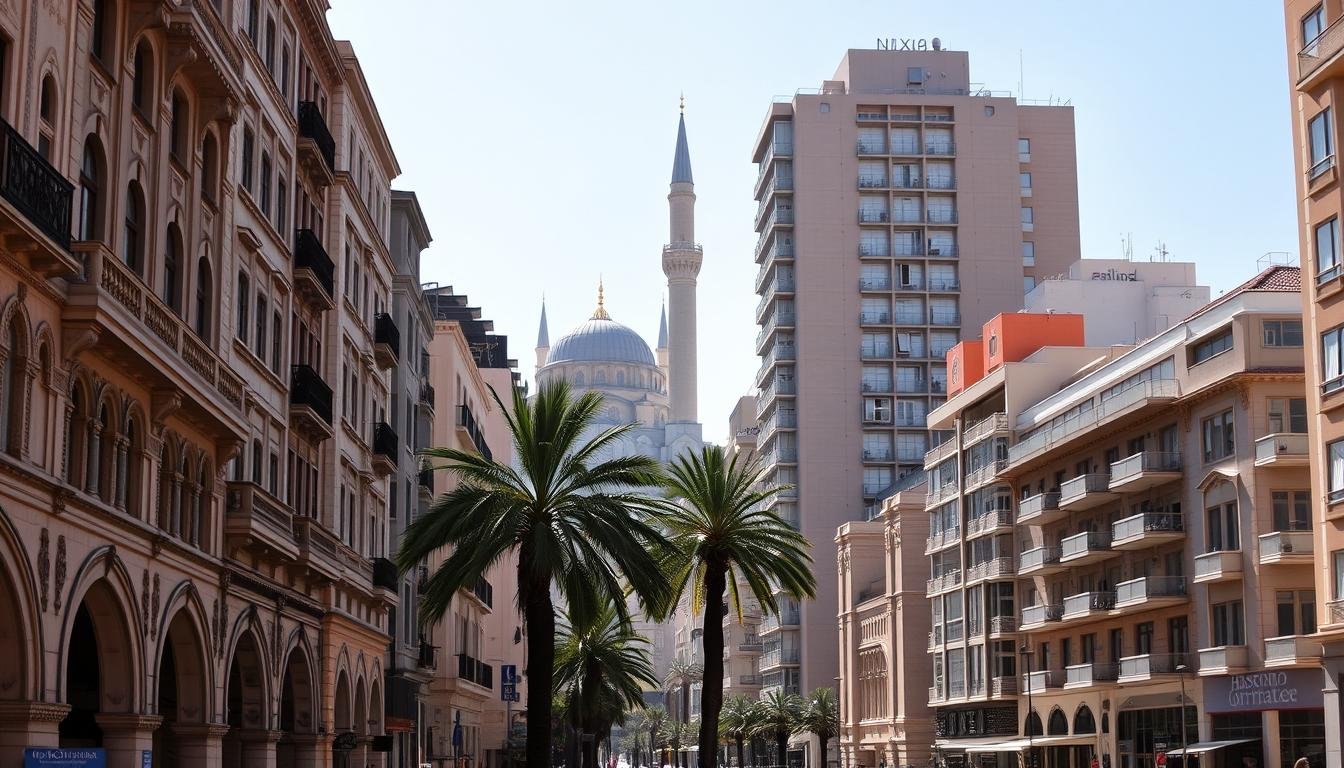
The modern side of Casablanca is a vibrant tapestry of architectural marvels, bustling streets, and scenic waterfronts. As you explore this dynamic city, you’ll discover a blend of traditional charm and contemporary sophistication that makes Casablanca truly unique.
Mohammed V Square and the City Center
Mohammed V Square is the heart of modern Casablanca, a testament to the city’s rich history and architectural heritage. This bustling square is surrounded by impressive administrative buildings, including the Palace of Justice, City Hall, and the Central Post Office. The square is a vibrant gathering place for locals, who affectionately call it “Pigeons Square” due to the abundance of birds. The nearby Casablanca Grand Theater is a striking example of modern architecture, adding to the area’s cultural significance.
Arab League Park: An Urban Oasis
Just a short walk from Mohammed V Square lies Arab League Park, a serene 75-acre oasis in the midst of the bustling city. Originally named Parc Lyautey, this beautifully landscaped park was inaugurated in 1918 and features a blend of Moorish and neoclassical garden design. The park’s centerpiece includes rows of manicured palm trees and reflective pools, creating a peaceful atmosphere where locals relax and socialize.
The Corniche: Casablanca’s Beachfront
The Corniche district along Casablanca’s Atlantic Ocean shoreline is a premier beachfront area, boasting upscale hotels, restaurants, beach clubs, and recreational facilities. This vibrant district is perfect for those looking to enjoy the city’s scenic coastline, with plenty of opportunities for dining, relaxation, and leisure activities.
| Location | Key Features | Attractions |
|---|---|---|
| Mohammed V Square | Administrative buildings, vibrant atmosphere | Palace of Justice, City Hall, Central Post Office, Casablanca Grand Theater |
| Arab League Park | Moorish and neoclassical design, palm trees, reflective pools | Relaxation, socializing, scenic walks |
| The Corniche | Upscale hotels, restaurants, beach clubs | Dining, leisure activities, beachfront relaxation |
Cultural Attractions and Museums
As you explore Casablanca, you’ll discover a rich tapestry of cultural attractions and museums that showcase the city’s diverse heritage. The city’s cultural landscape is a blend of historical landmarks, contemporary art spaces, and museums that offer a glimpse into its fascinating history and culture.
Museum of Moroccan Judaism
The Museum of Moroccan Judaism is a significant cultural institution in Casablanca, offering insights into the history and heritage of Morocco’s Jewish community. As the only Jewish museum in the Arab world, it houses an impressive collection of religious artifacts, traditional costumes, and photographs that document Morocco’s Jewish heritage. Visitors can explore the reconstructed 1930s synagogue and learn about the community’s history and traditions.
Villa des Arts and Contemporary Culture
Villa des Arts is Casablanca’s premier art gallery, housed in a stunning Art Deco building with beautiful gardens. The villa regularly hosts rotating exhibitions of contemporary Moroccan art, as well as cultural events that showcase the city’s vibrant creative scene. Visitors can experience the best of Moroccan contemporary art and culture in this unique and captivating setting.
Sacred Heart Cathedral
The Sacred Heart Cathedral, a former Catholic church, is a notable landmark in Casablanca, known for its unique blend of Gothic and Art Deco architectural styles. After being deconsecrated in 1956, the church was repurposed as a cultural venue, offering a fascinating glimpse into the city’s history and cultural heritage. Visitors can appreciate the building’s architectural significance and explore its current role in the community.
In addition to these highlights, Casablanca is home to other cultural attractions worth exploring, including the Casablanca Memory Museum, which focuses on the city’s urban development, and various independent art galleries. Throughout the year, the city hosts cultural events and performances that give visitors opportunities to experience Casablanca’s contemporary arts scene.
Where to Stay in Casablanca
From luxurious resorts to affordable guesthouses, Casablanca’s accommodation options cater to all kinds of travelers. Whether you’re looking to stay in the heart of the city or near its beautiful coastal areas, there’s a hotel to suit your needs.
Luxury Accommodations
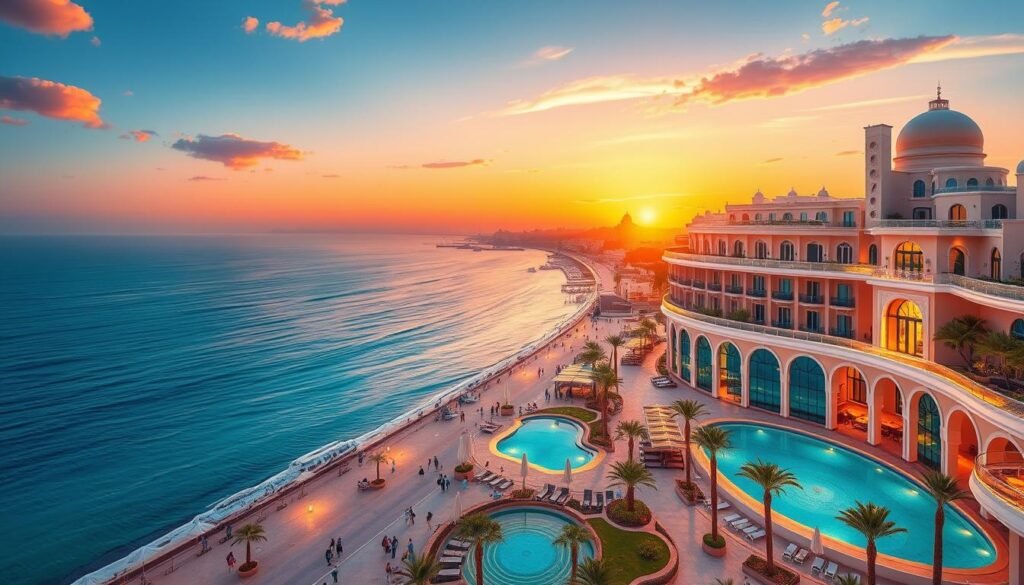
Casablanca is home to some of the world’s top luxury hotels, including the Four Seasons Hotel Casablanca and Hyatt Regency Casablanca. These hotels offer unparalleled service, luxury amenities, and prime locations. The Four Seasons Hotel, situated on the Boulevard de la Corniche, boasts dramatic sea views and is part of the Anfaplace Living Resort area, which includes upscale residences and the Anfaplace Shopping Center.
For those seeking boutique luxury, Casablanca also offers unique properties that blend Moroccan charm with international standards.
Mid-Range Hotels
Travelers on a moderate budget can find excellent value in Casablanca’s mid-range hotels. International brands and local hotels with distinctive Moroccan character offer comfort without the high price tag. These hotels are often located in convenient locations, such as near major attractions or in vibrant districts.
Budget-Friendly Options
For those on a tighter budget, Casablanca has a range of affordable accommodations, including hotels, hostels, and guesthouses. These options are often found in safe, convenient locations, making them ideal for travelers looking to explore the city without breaking the bank.
For more detailed information on where to stay in Casablanca, you can visit The Broke Backpacker for a comprehensive guide.
When booking your accommodations, consider the time of year and how it might affect your stay. Booking in advance can help secure the best rates, especially during peak travel seasons.
Culinary Experiences in Casablanca
Casablanca’s culinary scene is a melting pot of flavors, reflecting the city’s rich cultural heritage. As you explore the city, you’ll encounter a diverse range of culinary delights that showcase traditional Moroccan cuisine and fresh seafood.
Traditional Moroccan Cuisine
Traditional Moroccan cuisine is a highlight of any visit to Casablanca. Signature dishes include tagine, couscous, pastilla, and harira soup, often enjoyed with a soothing cup of Moroccan mint tea. For an authentic experience, head to Dar Dada or Dar el Kaid, where you can savor flavorsome dishes in an ornately decorated dar (traditional house).
Seafood Along the Corniche
Casablanca’s Atlantic Ocean location makes it a paradise for seafood lovers. Along the Corniche, you’ll find restaurants serving everything from grilled sardines to elaborate seafood platters. Le Cabestan is a standout, offering stunning ocean views. For a more local experience, visit the Marché Central, where you can select fresh seafood and have it cooked at a nearby restaurant.
Top Restaurants and Cafés
Casablanca is home to a range of top-notch restaurants and cafés. For a fine dining experience, Rick’s Café, inspired by the famous film, is a must-visit. For a taste of local culture, enjoy a cup of coffee or traditional Moroccan sweets at one of the many cafés. Chez El Kabbaj is renowned for its delicious Moroccan cuisine and fresh foie gras.
Whether you’re indulging in traditional Moroccan cuisine, savoring fresh seafood, or simply enjoying the local café culture, Casablanca’s culinary experiences are sure to leave a lasting impression.
Shopping in Casablanca
From bustling souks to luxurious malls, Casablanca is a shopper’s paradise. The city offers a diverse range of shopping experiences that cater to all tastes and preferences. Whether you’re looking for traditional Moroccan handicrafts or international brands, you’ll find it in Casablanca.
Traditional Markets and Souks
The Old Medina and Quartier Habous (also known as New Medina) are must-visit destinations for anyone looking to experience the traditional shopping culture of Casablanca. These historic neighborhoods are filled with vibrant markets where you can find everything from trinkets and clothes to fresh produce and souvenirs. The Habous district is particularly known for its organized souks, making it easier for visitors to navigate and find unique items. You can practice your bargaining skills here, as haggling is a part of the shopping experience in these traditional markets. Be sure to pick up a scarf or a piece of jewelry as a memorable souvenir of your trip to Casablanca.
Modern Shopping Centers
If you prefer a more contemporary shopping experience, Casablanca has plenty to offer. The Morocco Mall, the largest shopping center in Africa, is a highlight. It features luxury brands, entertainment options, and a spectacular aquarium, making it a great place to spend an afternoon. Other modern shopping districts include the upscale Maarif neighborhood and Anfa Place Shopping Center, where you can find a mix of international brands and local designers. For a more laid-back shopping experience, you can stroll along the city center streets and explore the various shops and cafes. You can find more information on shopping in Casablanca on Visit Morocco.
Day Trips from Casablanca
With its central location and excellent transport links, Casablanca makes an ideal base for exploring Morocco’s diverse attractions. You can easily take day trips to various destinations, experiencing the country’s rich history, culture, and natural beauty.
Rabat: The Capital City
Rabat, Morocco’s capital, is just over an hour away from Casablanca by train or road. You can visit the Kasbah of the Udayas, a UNESCO World Heritage site, and explore the historic Hassan Tower. The impressive Royal Palace, although not open to the public, is worth a visit for its grandeur and beautiful surroundings.
El Jadida and Oualidia
For a coastal escape, consider visiting El Jadida, a charming town with a rich Portuguese heritage. The UNESCO-listed Cité Portugaise fortress is a must-see, along with its beautiful beaches. Continuing south, Oualidia is a tranquil lagoon town known for its oyster farms and bird-watching opportunities, offering a relaxing atmosphere that’s a perfect contrast to Casablanca’s urban energy.
Other Nearby Destinations
Other potential day trip destinations from Casablanca include the historic city of Azemmour, known for its well-preserved architecture, and the beach town of Mohammedia, which offers a more laid-back coastal experience. You can also visit Settat, an agricultural center with a rich history and cultural significance.
Practical Tips for Visiting Casablanca
To ensure a smooth and enjoyable journey to this Moroccan city, consider the following practical advice. When visiting Casablanca, it’s crucial to be mindful of your surroundings and take necessary precautions to stay safe. The city has a low crime rate, but dressing modestly and keeping valuables secure can help avoid unwanted attention.
For a hassle-free experience, use licensed taxis and be aware of your belongings, especially in crowded areas. Learning a few key phrases in Darija, the local dialect, can also enhance your interaction with the friendly locals. Additionally, understanding the local customs and dressing appropriately when visiting religious sites will show respect for the culture.
In terms of currency, while many establishments accept credit cards, cash is still widely used for smaller purchases and tips. You can exchange your money at the airport or withdraw cash from ATMs located throughout the city. For dining, opting for local eateries busy with locals can provide an authentic experience at reasonable prices.
By being informed and prepared, you can have a memorable and enjoyable trip to Casablanca. With its rich history, vibrant culture, and welcoming atmosphere, this city is sure to leave a lasting impression on your travels.