Chefchaouen, Morocco: Your Guide to the Blue Pearl
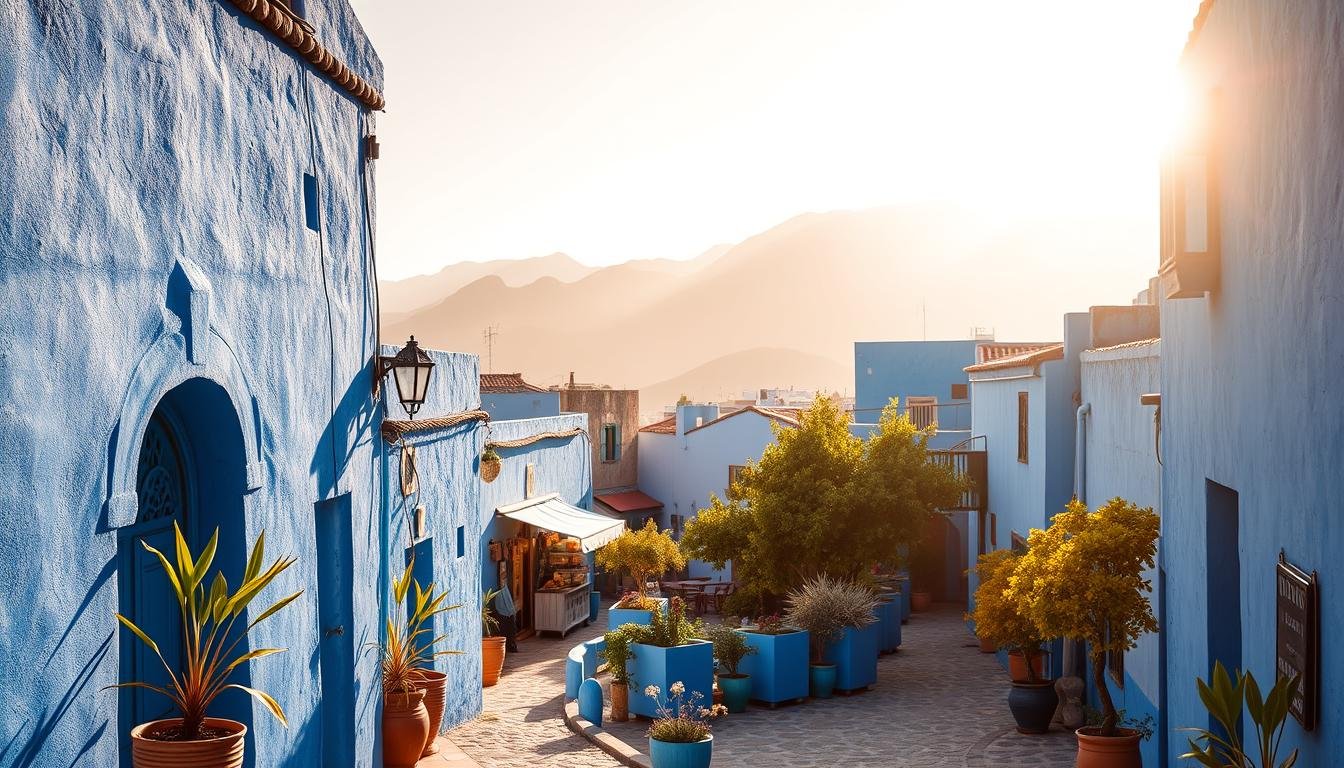
Nestled in the Rif Mountains, the charming town of Chefchaouen is a destination like no other. Known worldwide as the “Blue Pearl,” this enchanting city captivates visitors with its striking blue-painted buildings and streets, creating a surreal and picturesque atmosphere.
Unlike the bustling cities of Marrakech and Fes, Chefchaouen offers a refreshing contrast with its laid-back atmosphere and stunning natural surroundings. Despite its growing popularity on social media, it still maintains an authentic charm and local character. For more information on this unique Blue City, our comprehensive guide will cover everything you need to know, from practical tips to the best activities and hidden gems.
This guide promises to provide you with insider knowledge to make your visit truly memorable. You’ll discover that Chefchaouen is more than just a photo opportunity – it’s a destination worth exploring over several days.
Discovering the Blue Pearl of Morocco
The allure of Chefchaouen lies in its mystique, a blend of history and breathtaking blue-hued architecture. As you explore this charming city, you’ll uncover the layers of its rich past and the unique cultural identity that sets it apart from other Moroccan cities.
Why Chefchaouen Is Called the Blue City
Chefchaouen’s nickname, the Blue City, is a testament to its distinctive blue-painted buildings. The city’s buildings were originally painted in shades of coral, but over time, they transitioned to various shades of blue, creating a unique aesthetic that attracts visitors from around the world.
The exact reason for this transition remains a bit of a mystery, but it’s believed that the blue hue was introduced by Jewish refugees who settled in the city. The blue color has since become an integral part of Chefchaouen’s identity, making it a standout destination in Morocco.
The History Behind the Blue Walls
Chefchaouen’s history dates back to 1471 when it was founded as a small fortress to defend against Portuguese invasions. Over the centuries, the city became a haven for Jewish and Muslim refugees fleeing Spain during the Reconquista and Inquisition periods. This diverse influx of people contributed to the unique cultural blend that characterizes Chefchaouen today.
The city’s strategic location in the Rif Mountains allowed it to remain relatively isolated for centuries, preserving its distinct traditions and character until it opened to tourism. Today, visitors can explore significant historical landmarks to gain a deeper understanding of Chefchaouen’s rich past and appreciate its current culture and distinctive blue aesthetic.
Best Time to Visit Chefchaouen
Planning your trip to Chefchaouen requires understanding the best time to visit this enchanting Moroccan town. Located at a high altitude, Chefchaouen’s climate is cooler than the rest of Morocco, making it a refreshing destination year-round.
Seasonal Weather Patterns
The weather in Chefchaouen varies significantly with the seasons. Summer months are warm but pleasant, with cooler evenings. In contrast, winters are cold, with a higher chance of rain. Visiting in spring, like in April, can be a good time to enjoy warm days, though occasional rain is possible.
Festival Seasons and Local Events
Chefchaouen is not just about its blue walls; it’s also about experiencing the local culture through its festivals and events. The annual Handicraft Festival in April showcases local artisans and traditional crafts. During Ramadan, the town takes on a special evening atmosphere when locals break their fast. Eid al-Fitr and Eid al-Adha are celebrated with vibrant festivities, special foods, and cultural traditions. Visiting during these times offers unique cultural insights, though it may mean busier streets and higher accommodation prices.
How to Get to Chefchaouen
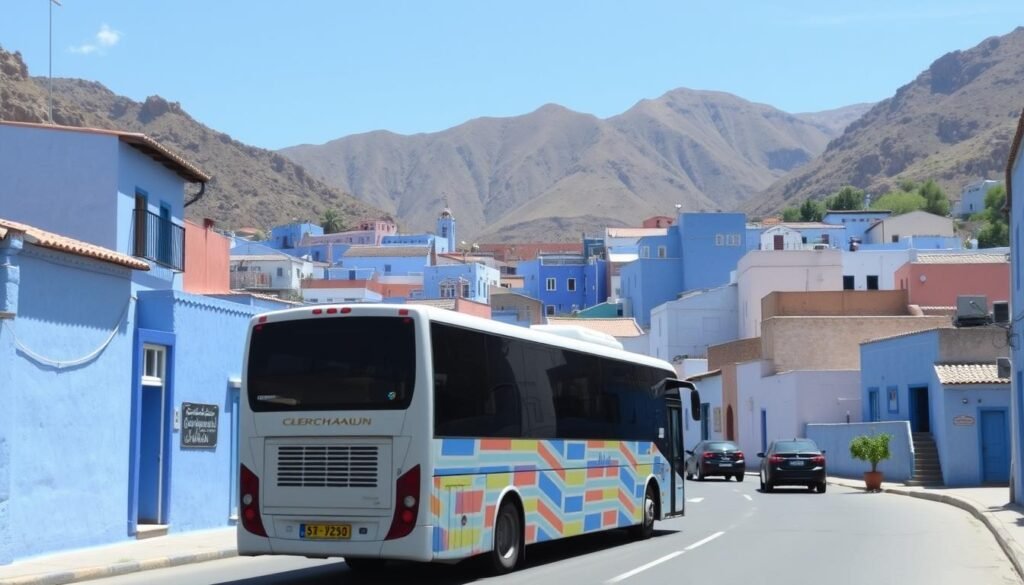
If you’re planning to visit Chefchaouen, you’ll be pleased to know that it’s well-connected to major Moroccan cities. The most common way to travel to Chefchaouen is by bus, with CTM being the main bus service in the north of Morocco.
From Major Moroccan Cities
CTM buses leave from Fes and Tangier, passing through Chefchaouen along the way. They also stop in Tetouan and Ouezzane, making it easy to add these hidden gems to your Morocco travel itinerary. You can book your tickets in advance using the CTM website.
Transportation Options and Costs
You have several options to get to Chefchaouen, including public buses, grand taxis, private transfers, and rental cars. Here’s a breakdown of the costs:
- CTM buses: approximately 70-90 MAD from Tangier, 90-120 MAD from Fes
- Grand taxis: 200-300 MAD per seat from Tangier
- Private transfers: 600-1000 MAD for the entire vehicle
The “grand taxi” system in Morocco involves shared Mercedes taxis that leave when full. To use this service, simply go to the grand taxi station in the city you’re departing from and find a taxi heading to Chefchaouen.
When arriving in Chefchaouen by bus, be prepared for an additional cost of approximately 15-20 MAD for a taxi from the bus station to the medina, as the walk can be steep and challenging with luggage.
Where to Stay in Chefchaouen
Finding the perfect place to stay in Chefchaouen is crucial for a memorable Moroccan adventure. The town offers a range of accommodations, from luxurious riads to budget-friendly hostels, ensuring that every traveler can find a spot that suits their needs and budget.
Riads and Boutique Hotels
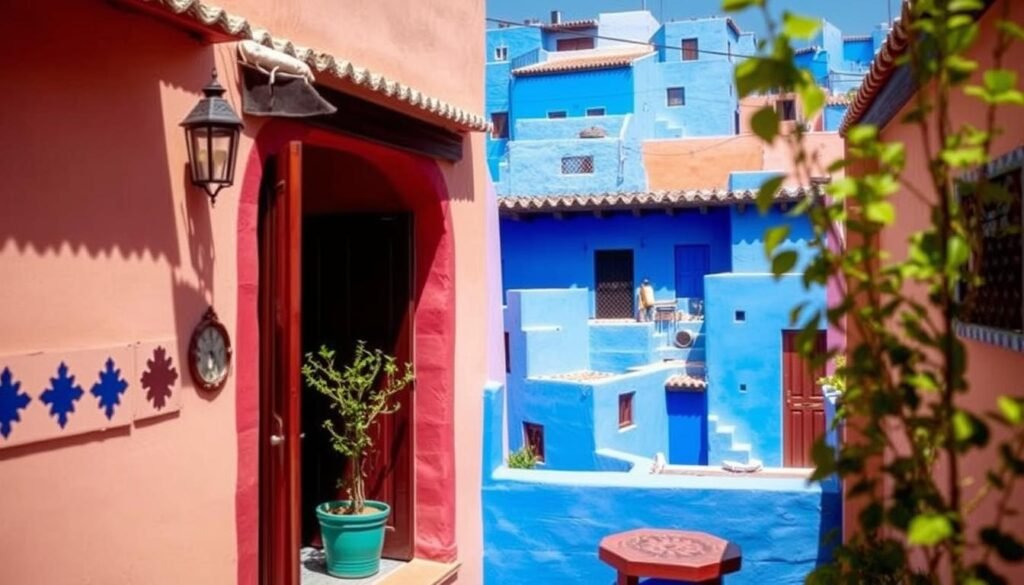
For those seeking a more luxurious experience, Chefchaouen’s riads and boutique hotels are an excellent choice. These establishments often feature traditional Moroccan architecture, beautifully decorated interiors, and stunning views of the surrounding mountains. Many riads also offer delicious local cuisine, making them a great way to immerse yourself in the local culture. The price for these accommodations can vary, but you’re likely to find a great deal for around $50-100 per night.
Budget-Friendly Hostels
Chefchaouen is also a haven for backpackers and budget travelers, with numerous affordable hostels that don’t compromise on the authentic blue city experience. Top-rated hostels like Riad Baraka, Dar Dadicilef, and Hostel Souika offer unique features, a welcoming atmosphere, and competitive price points, typically ranging from $10-30 per night. Staying in a hostel is not only budget-friendly but also a great way to meet fellow travelers and potentially form groups for hiking excursions or day trips.
When choosing your accommodation, consider the amenities offered, such as communal kitchens and rooftop terraces with breathtaking mountain views. Booking in advance is advisable, especially during peak travel seasons, to secure your spot at one of these popular hostels.
Navigating the Blue Medina
Wandering through Chefchaouen’s blue medina is a delightful adventure, but it’s helpful to have some tips for navigating its hilly terrain. The town is very hilly, and exploring the blue streets of Chefchaouen is best done on foot, which requires a certain level of fitness due to the stairs and steep pathways.
Understanding the Layout
The medina is a maze of small staircases and tunnels. To navigate it effectively, use the main square, Plaza Uta el-Hammam, as a central reference point. Most major paths lead back to this hub, making it easier to find your way around. Downloading offline maps like Maps.me or Google Maps before arrival can also be incredibly helpful, as they work well even in the narrow alleyways.
Tips for Not Getting Lost
To avoid getting lost, take photos of street corners or distinctive doorways to help retrace your steps if needed. The similar blue walls can make everything look alike, so it’s easy to lose your bearings. Use natural landmarks like the mountainside and the position of the sun to maintain a general sense of direction. Learning a few key phrases in Arabic or Spanish can also help when asking for directions. Make sure to arrange a meeting spot with your travel companions in case you get separated, as cell service can be spotty within the thick-walled buildings.
Top Things to Do in Chefchaouen
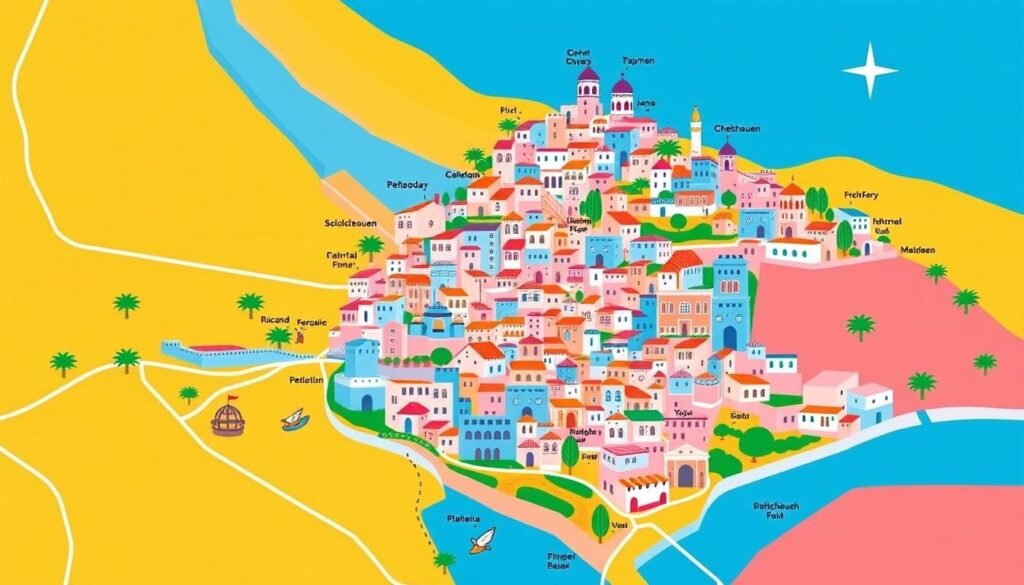
As you wander through the charming streets of Chefchaouen, you’ll discover a plethora of activities that make this Moroccan town a must-visit destination. The town is filled with unique experiences, from exploring its picturesque blue streets to visiting historical sites and enjoying nature.
Exploring the Blue Streets
The heart of Chefchaouen’s charm lies in its blue-painted buildings and narrow winding streets. As you explore, you’ll find numerous photo opportunities, charming cafes, and local shops selling traditional crafts. The blue streets are not just visually stunning; they’re also a reflection of the town’s cultural heritage.
Visiting the Kasbah Museum
The Kasbah Museum is a significant historical site located in the heart of Chefchaouen. This former fortress turned museum houses a collection of artifacts that tell the story of the region’s history and culture. Visiting the Kasbah Museum provides a deeper understanding of Chefchaouen’s past and its significance in Moroccan history.
Hiking to the Spanish Mosque
One of the most popular activities in Chefchaouen is hiking to the Spanish Mosque, also known as Mosquée Espagnol. This relatively easy hike is a 20-30 minute walk from the eastern edge of the medina and offers breathtaking views of the town. The Spanish Mosque was built by the Spanish in the 1920s during their occupation but was never used for worship. To get there, start near the Ras el-Ma waterfall, about 1.5 km from the center. The trail is a well-maintained dirt path with a moderate incline, making it accessible to most fitness levels. The best time to visit is during sunset, when the fading light casts a golden glow over the blue city, creating a magical atmosphere. It’s advisable to arrive at least 30 minutes before sunset to secure a good viewing spot. Don’t forget to bring water, a light jacket, and a flashlight for the return journey.
Hiking Adventures in the Rif Mountains
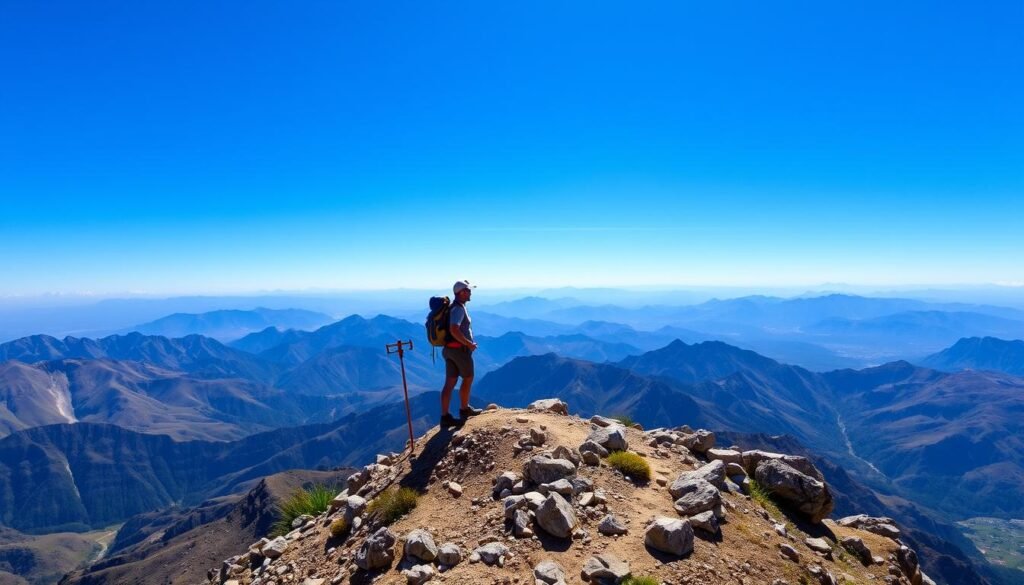
The Rif Mountains offer some of the most breathtaking hiking trails in Morocco, making them a must-visit destination for adventure seekers. Just a 45-minute drive from Chefchaouen, the village of Akchour is a popular starting point for these hikes.
The Trek to Akchour Waterfalls
The Akchour Waterfalls trek is a moderate hike that takes you through lush forests and alongside the river, culminating in a stunning waterfall. Along the way, you’ll find numerous swimming holes perfect for cooling off during the warmer months.
God’s Bridge Natural Arch
Another highlight of the Rif Mountains is God’s Bridge, a spectacular natural rock arch spanning the Oued Farda River. This hike follows a different trail from the Akchour Waterfalls, heading upstream and offering breathtaking views of the surrounding landscape. The trail is approximately 2-3 hours round trip and is considered moderate, with some challenging sections.
For both hikes, it’s advisable to wear proper hiking shoes, bring sufficient water and snacks, and consider hiring a local guide to navigate the trails. You can combine both hikes into a single long day or choose one for a more relaxed experience.
Chefchaouen Morocco Travel Guide: Essential Tips
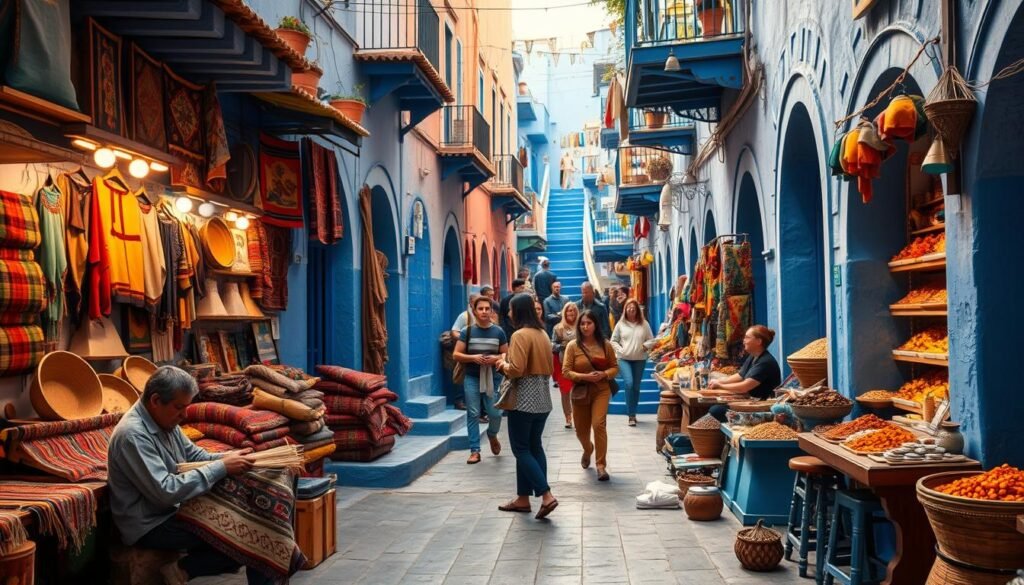
As you plan your trip to the Blue City, understanding the nuances of local etiquette, communication, and currency will enhance your travel experience.
Language and Communication
While many locals in Chefchaouen speak some Spanish or French, Arabic is the official language. Learning a few basic Arabic phrases can go a long way in showing respect for the culture. You can use translation apps or carry a phrasebook to help communicate with locals.
Currency and Payment Methods
The Moroccan dirham is the local currency, and while some places accept credit cards, it’s advisable to carry cash, especially for smaller purchases or at local markets. You can exchange currency at airports, banks, or currency exchange offices. Be aware that haggling is a common practice in markets.
Local Customs and Etiquette
Understanding local customs is crucial for a respectful visit. For instance, the left hand is considered unclean, so use your right hand when eating or passing items. Dress modestly, covering your shoulders and knees, especially when visiting religious sites. Respect for locals and their traditions will make your experience more enjoyable.
| Custom | Description | Tips |
|---|---|---|
| Dress Code | Modest clothing covering shoulders and knees | Respect local traditions, especially at religious sites |
| Dining Etiquette | Use right hand for eating and passing items | Avoid using your left hand, considered unclean |
| Photography | Ask permission before photographing locals | Respect those who decline to be photographed |
Culinary Experiences in Chefchaouen
As you wander through the blue streets of Chefchaouen, the aroma of local cuisine beckons you to explore the town’s culinary delights. Chefchaouen offers a unique blend of traditional Moroccan flavors and a relaxed atmosphere, making it a culinary gem in the Rif Mountains.
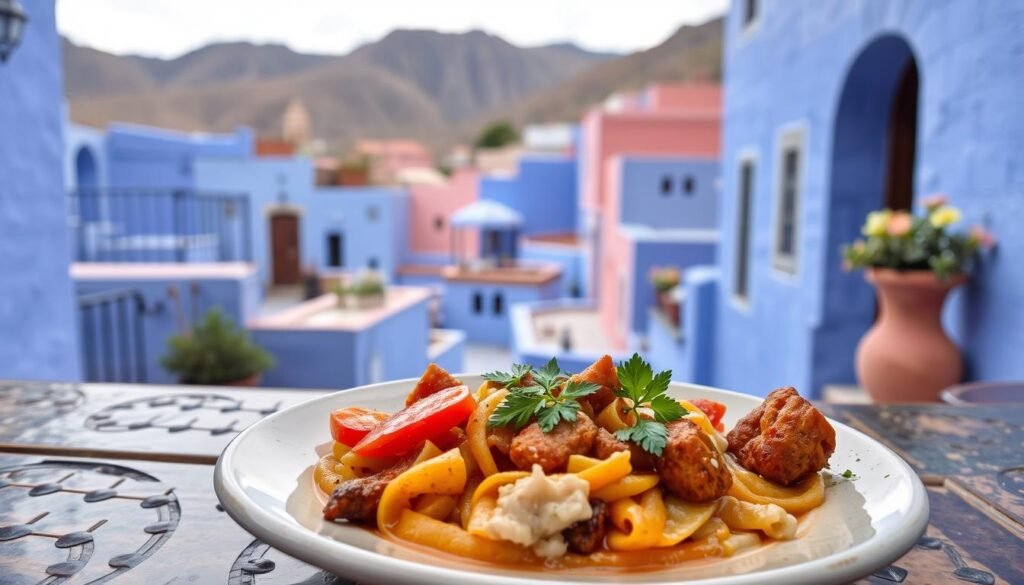
Must-Try Local Dishes
When dining in Chefchaouen, there are several local dishes you shouldn’t miss. Chicken pastilla is a must-try, with its layers of flaky pastry, meat, and spices. Another classic is tagine, a slow-cooked stew named after the clay pot in which it’s cooked. For breakfast, try msemen, a traditional Moroccan flatbread served with fresh cheese, honey, and mint tea.
Top Restaurants and Cafés
Chefchaouen is home to a variety of excellent restaurants and cafés. Chez Hicham is highly recommended for its delicious chicken pastilla and welcoming atmosphere. For spectacular views of the town, head to Chez Aladdin, located off the main square. Other notable mentions include Bab Ssour for its homey atmosphere and traditional dishes, and Café Clock for its cultural events and fusion menu.
When exploring the culinary scene, don’t forget to visit some of the local eateries and street food stalls, which offer authentic experiences and budget-friendly options. Enjoy trying the local cuisine and discovering the flavors that make Chefchaouen a culinary destination.
Shopping in the Blue City
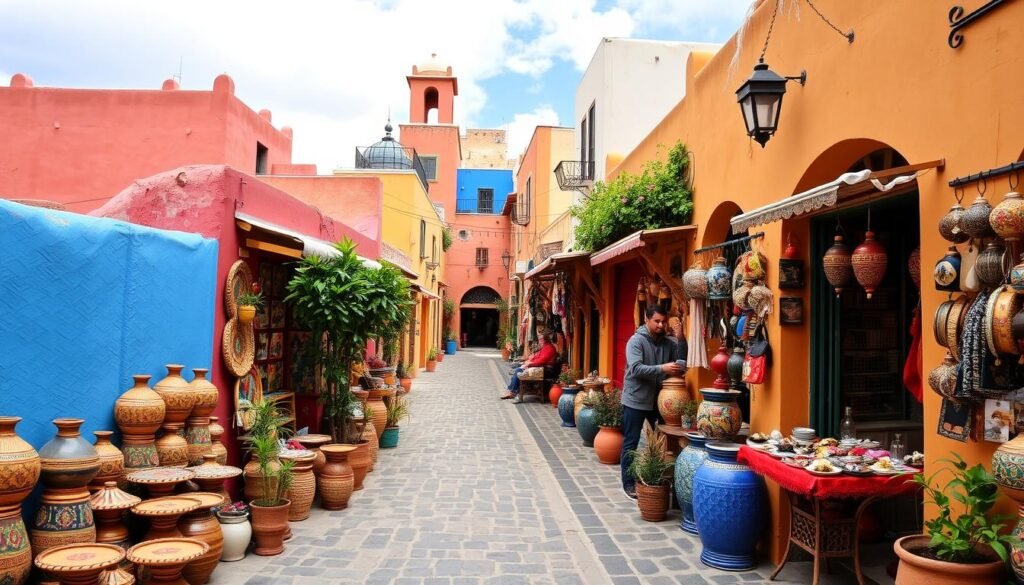
Shopping in Chefchaouen is an experience that combines vibrant culture with the thrill of the hunt for the perfect memento. As you explore the blue-painted streets, you’ll find numerous opportunities to purchase unique souvenirs that reflect the city’s charm.
Unique Local Crafts and Souvenirs
Chefchaouen is renowned for its local crafts, including intricately woven textiles, handmade pottery, and beautifully crafted jewelry. When shopping for souvenirs, make sure to inspect the quality of the items. Look for traditional crafts that showcase the region’s rich cultural heritage.
Haggling Tips and Etiquette
Haggling is an integral part of shopping in Chefchaouen’s souks. To navigate this process effectively, start by showing interest in an item without being too enthusiastic. When asked for a price, offer about 40-50% less and work towards a mutually agreeable amount. Here are some tips to keep in mind:
Be respectful and courteous during negotiations. Using a few basic Arabic phrases can help build rapport with vendors. Understanding the local culture and being prepared to walk away can also aid in securing a fair price.
Day Trips from Chefchaouen
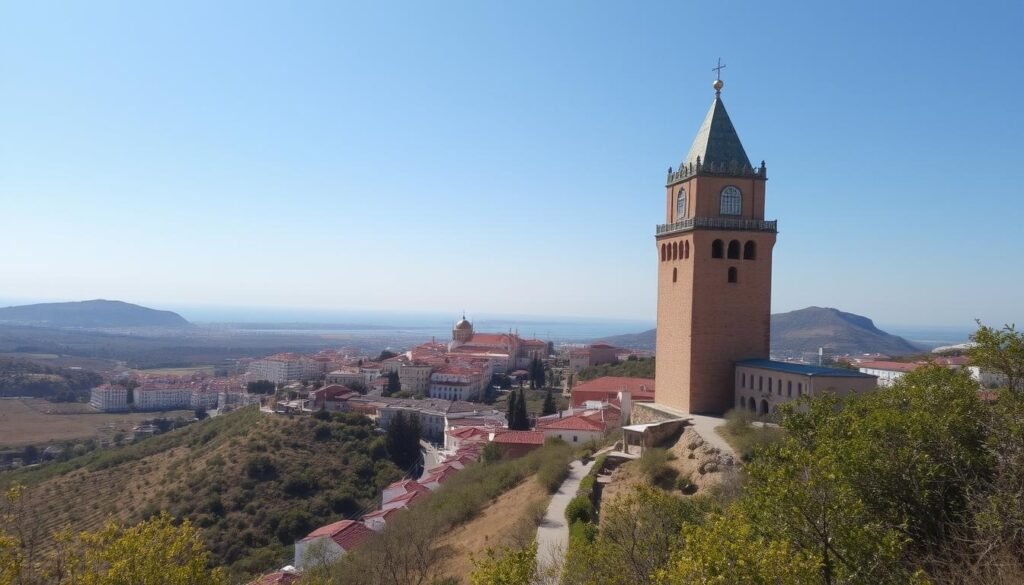
Day trips from Chefchaouen offer a chance to discover hidden gems in northern Morocco. The region is rich in cultural heritage and natural beauty, making it an ideal destination for travelers looking to explore beyond the Blue City.
Nearby Towns and Natural Attractions
Tetouan and Ouezzane are two smaller cities near Chefchaouen that are worth visiting. Tetouan, a UNESCO World Heritage Site, boasts a rich history and cultural significance, while Ouezzane is known for its religious importance and scenic landscapes.
Organized Tours vs. Independent Travel
When planning day trips, you can choose between organized tours and independent travel. Organized tours offer convenience and local knowledge, while independent travel provides flexibility. Consider hiring a guide for hiking in remote areas or visiting Berber villages, where their expertise can enhance your experience.
For independent travel, you can use grand taxis, rental cars, or public buses to reach popular destinations. Be sure to check return transportation options and prepare for limited facilities in remote areas.
Safety Tips for Travelers
To make the most of your travel to Chefchaouen, understanding the local safety measures is crucial. Chefchaouen is considered a safe destination, but being informed is always beneficial.
Common Scams to Avoid
While Chefchaouen is generally safe, you should still be cautious of pushy street vendors. Make sure to haggle politely and be aware of your surroundings to avoid any potential scams.
- Be cautious of overly aggressive vendors.
- Always check prices before making a purchase.
Health and Emergency Information
When exploring the area around Chefchaouen, it’s essential to be prepared for any health concerns. The town has basic medical facilities, but more serious conditions may require a trip to Tetouan.
| Emergency Service | Contact Number |
|---|---|
| Tourist Police | 19 |
| General Emergency | 15 |
| Nearest Hospital | Chefchaouen Hospital |
For those planning an adventure in the surrounding mountains, ensure you have proper gear, weather awareness, and consider hiring guides for remote trails. Additionally, having travel insurance that covers mountain rescue and medical evacuation is highly recommended.
Planning Your Perfect Chefchaouen Itinerary
Creating the perfectitineraryfor Chefchaouen ensures a memorable experience in this enchanting city. Whether you’re visiting for adayor staying for a week, Chefchaouen has something to offer every kind of traveler.
For a one-dayvisit, consider starting early to explore the blue streets, followed by a visit to the Kasbah Museum, and some shopping in the medina. If you have three days, you can delve deeper into the city, take adaytrip to Akchour waterfalls, and enjoy local cuisine at a relaxed pace.
For a longer stay, you can incorporate multipletraveladventures, including hiking and cooking classes. When planning yourguide, consider the season: spring and autumn are ideal for outdoor activities, while winter is perfect for a cozy retreat.
To make the most of your visit to the Blue Pearl, leave some room for spontaneity. Wander through the narrow streets, discover hidden gems, and soak up the laid-back atmosphere that makes Chefchaouen so beloved bytravelers.
Incorporating Chefchaouen into a broader Moroccoitineraryis straightforward, with logical routes from major cities like Fes, Tangier, and Casablanca. With thisguide, you’re ready to experience the magic of the Blue Pearl.