Your Ultimate Morocco Seasonal Weather Guide: Tips & Insights
Did you know that Morocco’s climate varies dramatically across different regions and times of the year? From the Mediterranean coastline to the Sahara Desert, the temperature and climate conditions can be quite diverse.
Generally, the months of April, May, October, and early November are considered the best time to visit, offering a more comfortable climate and a chance to participate in the country’s biggest celebrations. Understanding these seasonal variations is crucial for planning your trip.
This guide will help you navigate the best times to visit different regions, what to pack, and how to make the most of Morocco’s distinct climate experiences.
Understanding Morocco’s Diverse Climate
The varied geography of Morocco gives rise to a multitude of climate zones, each with its unique characteristics. You can experience a range of climates within a single trip, from the mild Mediterranean climate of the coastal regions to the extreme temperatures of the Sahara Desert.
Geographic Influences on Weather Patterns
Morocco’s geography plays a significant role in shaping its climate. The coast enjoys a temperate Mediterranean climate, with mild winters and warm summers. As you move inland, the climate becomes more continental, with greater temperature extremes.
From Mediterranean Coast to Sahara Desert
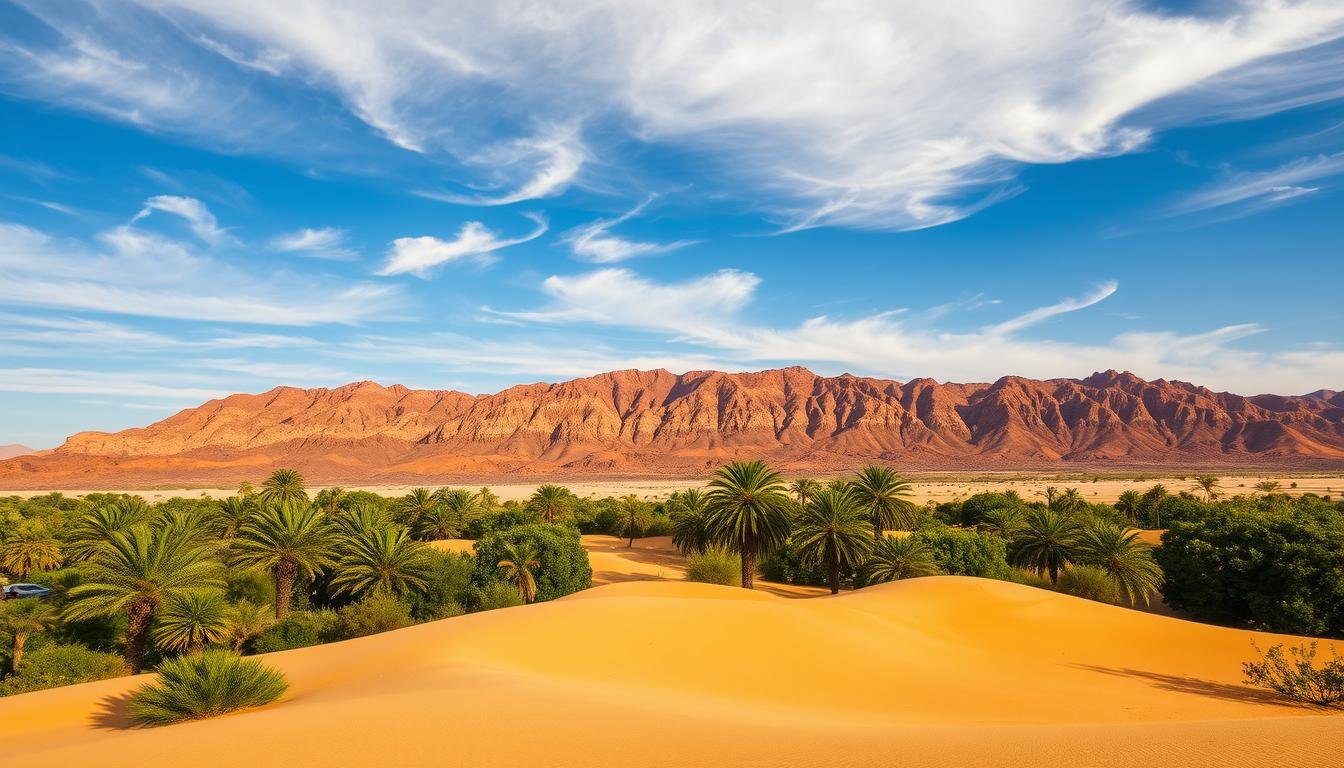
The Sahara Desert regions experience extreme climate conditions, with temperature often exceeding 100°F (38°C) during the day and dropping significantly at night. The diverse climate allows for a wide range of experiences, from exploring the desert to enjoying the beaches along the coast.
Morocco Seasonal Weather: A Complete Overview
To make the most of your trip to Morocco, it’s essential to grasp the country’s seasonal weather variations. Morocco’s climate is characterized by significant regional differences, making it crucial to understand these variations to plan your activities accordingly.
Climate Variations Across Regions
Morocco’s diverse geography results in a wide range of climates across different regions. For instance, Marrakesh experiences a significant variation in average temperature throughout the year, ranging from 13°C (55°F) in January to 29°C (84°F) in July. In contrast, coastal areas like Agadir have more stable temperatures due to their proximity to the ocean. Understanding these regional climate differences is vital for planning your trip.
Annual Temperature and Rainfall Patterns
Morocco’s annual temperature cycle follows a predictable pattern, with July and August typically being the hottest months and December through February the coolest. You can check the weather in Morocco for more detailed information. The rainfall is generally concentrated in the winter months, with November being the wettest month in many regions, receiving an average of 40.6mm of rain. The number of rainy days per year is relatively low in most of Morocco, with the majority of rainfall occurring in brief, intense periods.
By understanding these patterns, you can plan your activities to maximize comfort during your visit. For example, if you’re planning to visit Marrakesh, July is the hottest month with the most daily sunshine hours at 10.8, making it ideal for exploring the city’s vibrant culture.
Winter in Morocco: December to February
If you’re heading to Morocco during the winter months, you’ll encounter varied weather conditions across the country. January is typically the coolest month, with temperatures ranging from a pleasant 20°C during the day to as low as 7°C at night.
Coastal Winter Temperatures
Along the coastal regions, winter temperatures are generally mild. Cities like Casablanca and Agadir experience moderate temperatures, making them pleasant destinations during this time. You can enjoy the city’s attractions without the intense summer heat.
Inland and Mountain Winter Conditions
Inland cities, such as Marrakesh and Fez, experience cooler winter temperatures, with daytime highs averaging 15-18°C and nighttime lows sometimes dropping to 5-7°C. The Atlas Mountains can be quite cold, with temperatures frequently dropping below freezing at higher elevations. For more detailed information on Morocco’s climate, you can visit weatherspark.com.
Despite the cooler temperatures, winter days in inland Morocco are often sunny and bright, perfect for exploring medinas and historical sites. You should pack layers for your trip, as the temperature variation between day and night can be significant. In the mountains, snowfall is common from December through February, creating spectacular winter landscapes.
Spring Bloom: March to May Weather
Spring in Morocco is a time of renewal and celebration, offering a unique blend of culture and natural beauty. As the winter chill dissipates, the country transforms into a vibrant landscape, making it an ideal period for tourists.
Temperature Transitions and Rainfall
During the spring months, Morocco experiences a gradual transition from cooler winter temperatures to warmer summer days. March can still be quite cool, especially in the mornings and evenings, but by April and May, the temperatures become more pleasant. Rainfall decreases significantly during this period, making it an excellent time to explore the outdoors.
Best Spring Activities and Festivals
Spring is a great season to experience Morocco’s rich culture and participate in various festivals. The Marathon des Sables, held in April, is a world-renowned ultramarathon that takes place in the Sahara Desert, attracting athletes from around the world. Other notable events include the Rose Festival in El Kelaa M’Gouna, usually in May, which celebrates the rose harvest with music, dancing, and a vibrant market.
| Activity | Location | Month |
|---|---|---|
| Hiking | Atlas Mountains | March – May |
| Marathon des Sables | Sahara Desert | April |
| Rose Festival | El Kelaa M’Gouna | May |
Summer Heat: June to August Climate
When summer arrives, Morocco’s diverse regions experience a range of temperatures and activities. While the inland cities swelter under the heat, the coastal towns offer a cooler respite.
During the summer months, cities like Marrakech are known for their high temperatures, often reaching over 38°C (100°F). However, the coastal cities provide a welcome relief, with temperatures typically 10-15°C cooler than inland areas.
Handling High Temperatures in Popular Cities
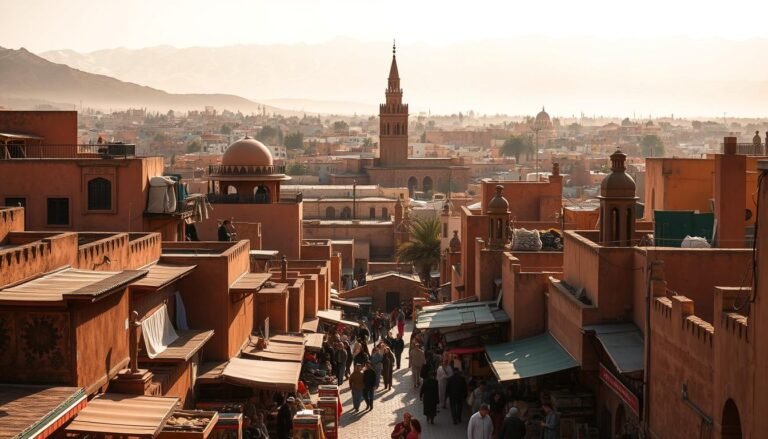
In cities like Marrakech, the heat can be intense. To cope, visitors often start their day early, exploring the vibrant souks and historic sites before the peak heat. Staying hydrated is crucial, and many cafes offer refreshing mint tea to help beat the heat.
For those looking to escape the heat, a visit to the cooler regions can be a great option. The coastal cities, with their breezy climates, are perfect for a summer retreat.
Coastal Retreats for Summer Relief
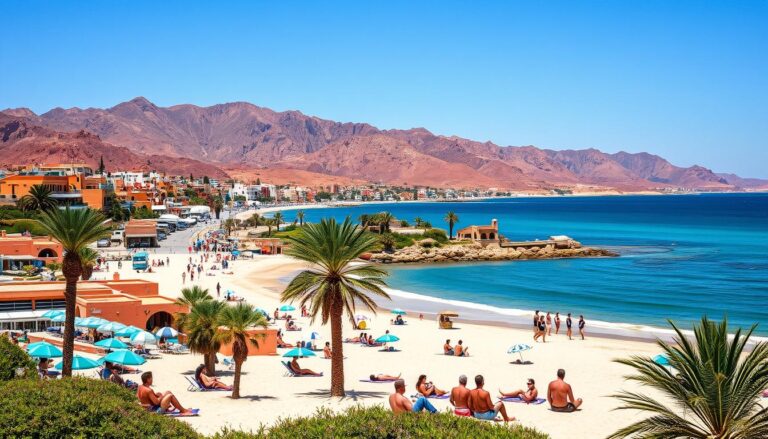
Morocco’s coastal cities, such as Essaouira, Agadir, and Tangier, are popular summer destinations. They offer a range of activities, from water sports to relaxing on the beach.
| City | Average Summer Temperature | Beach Activities |
|---|---|---|
| Essaouira | 22°C (72°F) | Surfing, Windsurfing |
| Agadir | 23°C (73°F) | Swimming, Beach Volleyball |
| Tangier | 24°C (75°F) | Beach Relaxation, Water Sports |
The coastal regions not only offer cooler temperatures but also a vibrant cultural scene, with many festivals and events taking place during the summer months.
Autumn Advantages: September to November
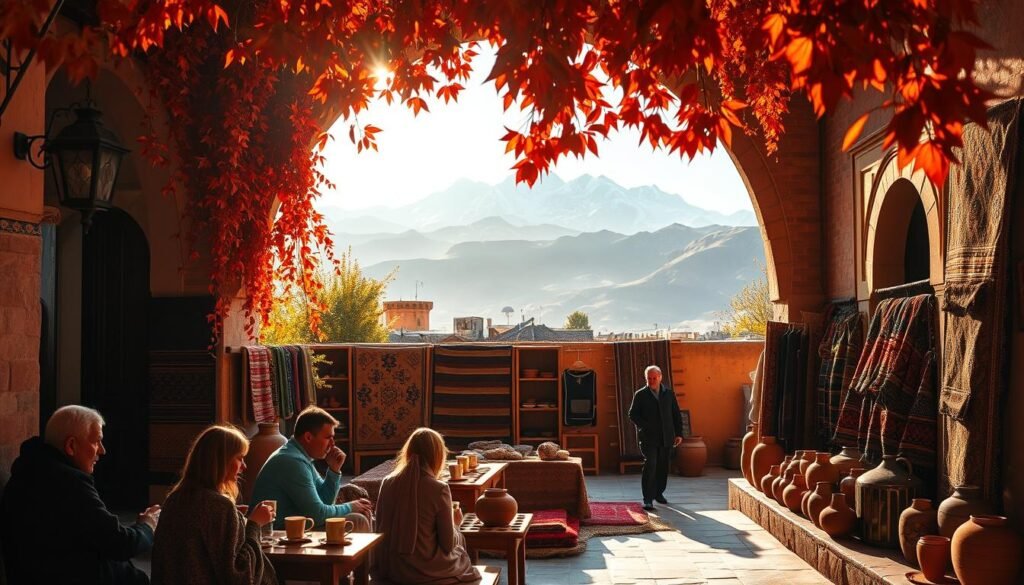
With the summer heat dissipating, autumn reveals a more relaxed and authentic Morocco. As the peak tourist season comes to an end, you can enjoy a more serene experience exploring the country’s vibrant cities and cultural landmarks.
Temperature Decline and Weather Shifts
Marrakech is still warmer than the coastal regions like Agadir in September, but both start to exit the peak season, so crowds dwindle, making it great for those wanting to avoid the hustle and bustle. The temperature decline during autumn makes it an ideal time to visit Morocco’s diverse regions without the sweltering heat of the summer months.
Autumn Cultural Experiences
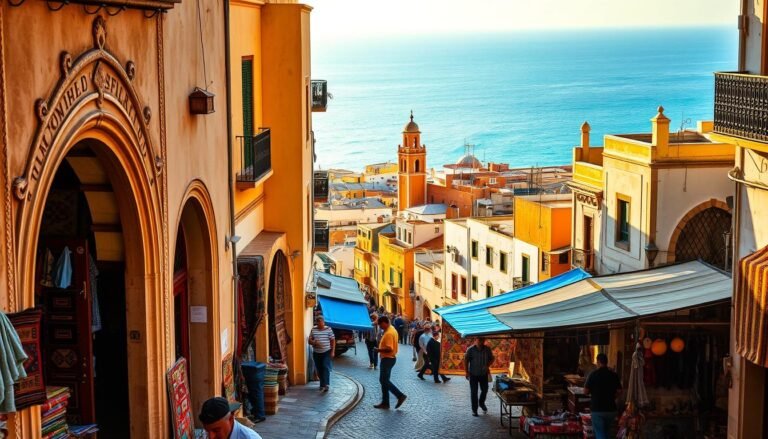
Autumn is an excellent time to immerse yourself in Moroccan culture. You can explore the medinas and souks without the crowds and heat of summer, allowing for a more relaxed cultural experience. The Date Festival in Erfoud, usually in October, celebrates the annual date harvest with music, dancing, and camel races, showcasing the rich cultural heritage of the region.
With fewer tourists, autumn offers more authentic interactions with local artisans and merchants in the souks. You can enjoy traditional hammams after a day of exploration and experience Morocco’s café culture on comfortable autumn evenings, perfect for sitting outside and people-watching.
Marrakesh Weather Guide
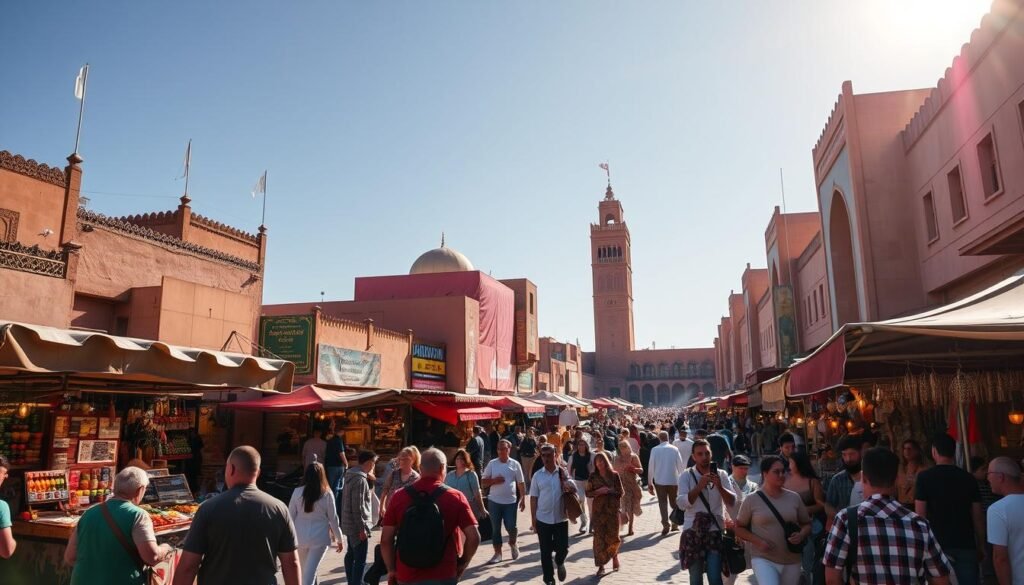
If you’re planning a trip to Marrakesh, understanding its weather patterns is crucial for making the most of your visit. Marrakesh enjoys a desert climate, characterized by high temperatures and low rainfall throughout the year.
Monthly Temperature Breakdown
The temperature in Marrakesh varies significantly across the year. July is the hottest month, with an average temperature of 29°C (84°F), while January is the coldest at 13°C (55°F). Understanding these temperature fluctuations can help you pack appropriately and plan your activities.
Rainfall and Sunshine Hours
Marrakesh is known for its abundant sunshine throughout the year. July offers the most daily sunshine hours at 10.8. Even in winter, the city typically receives 7-8 hours of sunshine daily. Rainfall is minimal, with an annual average of just 250mm, primarily concentrated between November and April. November is the wettest month, receiving around 40.6mm of rain. For more detailed information on the best time to visit Marrakesh, you can check out this guide on the best time to visit Marrakesh.
Coastal Climate: Casablanca and Agadir
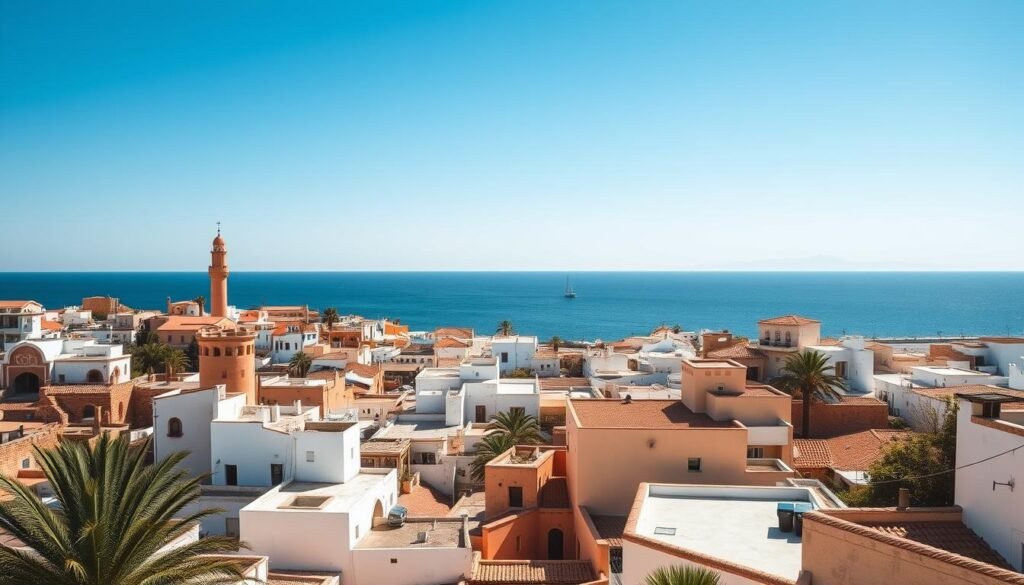
When visiting Morocco’s coastal areas, such as Casablanca and Agadir, you’re likely to experience a climate that’s both pleasant and invigorating. The coastal regions offer a unique blend of Mediterranean and Atlantic influences, creating a diverse climate that’s worth exploring.
Beach Season and Sea Temperatures
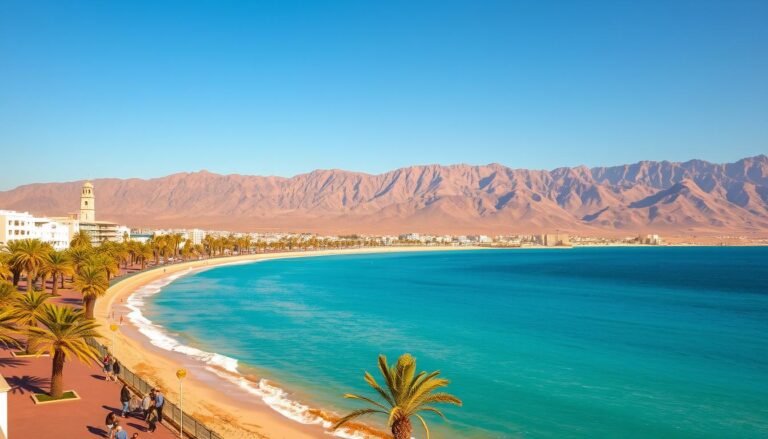
Agadir, known for its beautiful beaches, enjoys warm sea temperatures during the summer months, making it an ideal destination for beachgoers. You can enjoy around 11 hours of daily sunshine, perfect for soaking up the sun by the coast. The sea temperatures are pleasant, ranging from 18°C to 22°C (64°F to 72°F) during the peak summer months.
Humidity and Wind Patterns
Coastal cities in Morocco experience higher humidity levels than inland areas, typically ranging from 70-80% due to their proximity to the Atlantic Ocean. Agadir benefits from a cooling coastal breeze, with gentle winds averaging 6-10 mph, providing welcome cooling without disrupting beach activities. You can check the detailed climate averages for Morocco on WeatherSpark for more insights.
What to Pack for Morocco’s Weather
To make the most of your time in Morocco, packing the right clothing is vital. Morocco’s climate varies significantly across different regions and seasons, making it essential to plan your wardrobe accordingly.
Appropriate Attire for Seasons
When visiting Morocco, the clothing you pack should be suitable for the season. In the summer, lightweight and breathable clothing is recommended, while in the winter, warmer layers are necessary, especially in the mornings and evenings.
Cultural Sensitivity in Dress
Morocco is a country rich in culture, and dressing modestly is a sign of respect, especially when visiting religious sites or traditional areas like souks in major city centers. For women, loose-fitting pants, maxi skirts, and tunics are ideal. Men should avoid very short shorts. In more conservative areas, additional modesty is advised.
| Occasion | Recommended Attire | Days to Pack |
|---|---|---|
| Visiting Religious Sites | Modest clothing covering shoulders and knees | At least 3-4 days |
| Exploring Souks | Comfortable, modest clothing | 4-5 days |
| City Tours | Smart, casual wear | 5-7 days |
Planning Your Perfect Moroccan Getaway
With its rich cultural heritage and varied landscapes, Morocco is a destination that can be enjoyed throughout the year. As you plan your trip, consider thebest time to visit Moroccobased on your preferred activities and temperature preferences. The months of April, May, October, and early November are generally considered thebest timesfor a more comfortable climate, allowing you to fully immerse in the country’s vibrant culture and festivities.
You can explore the historic medinas of Fez and Marrakesh, both UNESCO World Heritage sites, during the milder months when walking through these car-free zones is most comfortable. For desert experiences, the periods of October-November and March-April offer moderate temperatures ideal for camping and camel trekking. To make the most of your trip, consider planning around Morocco’s fascinating cultural festivals, many of which occur during the spring and autumn months. For more detailed planning tips, visit our guide onplanning a trip to Moroccofor.
Regardless of when you visit, Morocco’s diverse climate ensures there’s always a region with comfortable weather to explore throughout the year. This makes it an ideal destination for travelers with different preferences and interests.