Your Essential Morocco Travel Guide: Explore Morocco
Did you know that over 13 million international visitors explored this North African gem last year? That’s more people than the entire population of Pennsylvania! This incredible country, situated just a short trip across the Strait of Gibraltar from Spain, has captured the hearts of adventurers worldwide.
Planning your journey is now easier than ever. For citizens of the US, Canada, the UK, and other major nations, no visa is required for stays under 90 days. Furthermore, all COVID-19 related entry rules have been lifted. This comprehensive travel guide is your key to a seamless and unforgettable adventure. It’s the only guide you’ll need.
We will walk you through everything. You’ll learn how to navigate the vibrant, maze-like medinas and find the best spots to camp under the vast, starry desert sky. Get ready to visit morocco with complete confidence and immerse yourself in its unique blend of Arab, Berber, and European cultures.
Introduction to Your Morocco Travel Guide
Positioned as a bridge between Europe and Africa, this country presents a unique blend of ancient traditions and modern influences. Its strategic location has created a fascinating cultural crossroads.
Overview of Morocco’s Unique Appeal
The nation’s appeal stems from its role as a meeting point for civilizations. African, European, Arab, and Berber elements combine to create an unforgettable experience.
This cultural fusion results from a rich history. Ancient Berber kingdoms, Roman settlements, and French colonial rule all left their mark.
| Cultural Influence | Time Period | Key Contributions |
|---|---|---|
| Berber Kingdoms | Ancient Times | Language, traditional crafts |
| Islamic Conquest | 7th-8th Century | Architecture, religion |
| French Protectorate | 1912-1956 | Modern infrastructure, education |
What You Can Expect from This Guide
This comprehensive resource helps you plan every aspect of your journey. You’ll find advice on choosing the best time for your visit and navigating local customs.
We provide honest tips based on real visits. Whether exploring imperial cities or coastal towns, our insights will enhance your preparation.
The information helps you connect more deeply with local culture. You’ll feel confident and prepared for your adventure.
Understanding Morocco: Geography, History, and Culture
With a history spanning millennia, the land reveals layers of civilization that have shaped its modern identity. This nation was once part of the Carthaginian Empire before emerging as an independent Berber kingdom around 225 BCE.
Exploring Morocco’s Diverse Regions
The geography creates incredible variety across this country. You’ll find coastlines on both the Atlantic Ocean and Mediterranean Sea.
Northern cities enjoy mild Mediterranean climates with refreshing sea breezes. Inland areas experience more extreme temperatures with hot summers and cool winters.
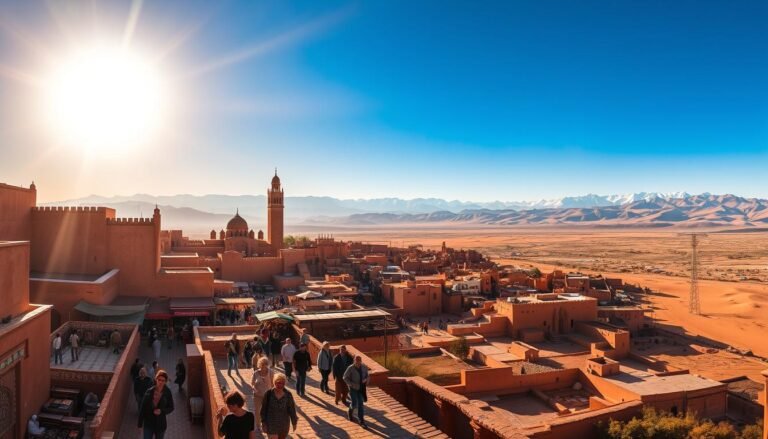
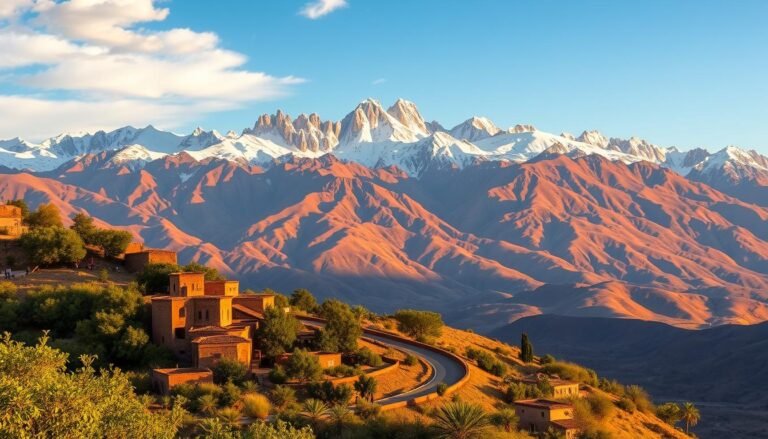
The Atlas Mountains form a dramatic backbone through the country’s interior. Peaks reach over 13,000 feet, creating a natural barrier between coastal regions and the Sahara Desert.
Influences of History and Tradition
The people here represent a fascinating blend of Arab and Berber heritage. Islamic traditions form the foundation of daily life, while Jewish communities contribute to the cultural richness.
Understanding this historical context helps you appreciate each region’s unique character. From Spanish-influenced northern towns to Berber heartlands, every part offers distinct experiences.
The rich cultural heritage reflects centuries of exchange between different civilizations. This makes the country feel like several destinations in one incredible journey.
| Historical Period | Key Influences | Lasting Contributions |
|---|---|---|
| Berber Kingdoms | Ancient Foundations | Traditional crafts, language roots |
| Islamic Dynasties | 7th Century Onward | Architecture, religious traditions |
| French Colonial Era | 20th Century | Modern infrastructure, education |
These diverse influences create a unique tapestry visible throughout the country. The people proudly maintain traditions while embracing modern life.
Planning Your Trip: When to Visit and Duration Tips
The climate across this diverse land varies dramatically, making careful planning trip timing essential for maximum enjoyment. Your experience will be shaped significantly by when you decide to explore.
Best Seasons for Favorable Weather
Spring (March to May) and autumn (September to November) offer the most comfortable conditions. Temperatures are mild, and tourist crowds are smaller during these shoulder seasons.
Summer brings intense heat, especially in inland cities where temperatures regularly exceed 95°F. Coastal areas remain more pleasant with refreshing ocean breezes.
Winter can be surprisingly cold, particularly in mountain regions. If you’re planning trip activities like hiking, April-May and September-October provide ideal weather.
How Long to Spend in Morocco
For a comprehensive experience, allow 10-16 days. This gives you enough time to explore imperial cities, mountains, and desert landscapes without feeling rushed.
A one-week trip lets you visit 2-3 major cities with perhaps a desert excursion. Two weeks provides deeper immersion in different regions.
Consider local holidays when scheduling your visit. The holy month of Ramadan affects daytime dining options but offers beautiful evening celebrations.
Navigating Morocco: Transportation Essentials
Moving around this diverse nation is surprisingly straightforward with a well-connected network of transport choices. Your journey can begin by air or sea, with efficient options for exploring once you arrive.
Air Travel, Ferries, and Domestic Flights
Most international visitors fly into Casablanca’s Mohammed V airport (CMN). Many major carriers like Delta and British Airways serve this hub. Marrakech Menara airport (RAK) is another popular gateway.
For a scenic arrival, ferries from Spain reach Tangier in about 60-90 minutes. For longer distances, domestic flights on airlines like Royal Air Maroc can save many hours.
Using Taxis, Trains, and Buses
Trains are a comfortable way to connect northern cities like Rabat and Fes. A journey from Marrakech to Rabat takes roughly 4.5 hours.
Within cities, use petit taxis for short trips. For intercity travel, shared grand taxis are common. Renting a car offers freedom but requires alert driving.
Apps like Careem work in major cities. For longer trips, your hotel can arrange a reliable driver. Driving a rental car around the country demands extra caution.
| Transport Type | Best For | Key Consideration |
|---|---|---|
| Train | City-to-City (North) | Comfortable & Affordable |
| Grand Taxi | Regional Routes | Negotiate Fare First |
| Rental Car | Remote Exploration | Vigilant Driving Required |
Where to Go: Must-Visit Cities and Destinations
Deciding on your itinerary is one of the most exciting parts of planning, with so many captivating places to consider. Focusing your time on a mix of major hubs and quieter spots offers the best balance.
You will experience the country’s incredible diversity without feeling constantly on the move.
Discovering Casablanca, Fes, and Marrakech
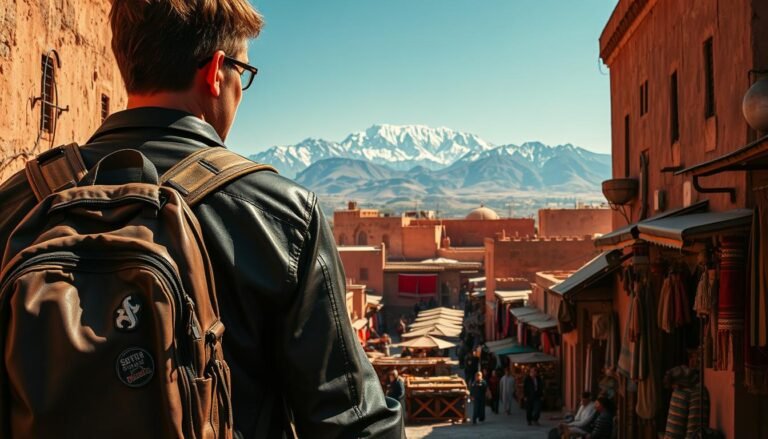
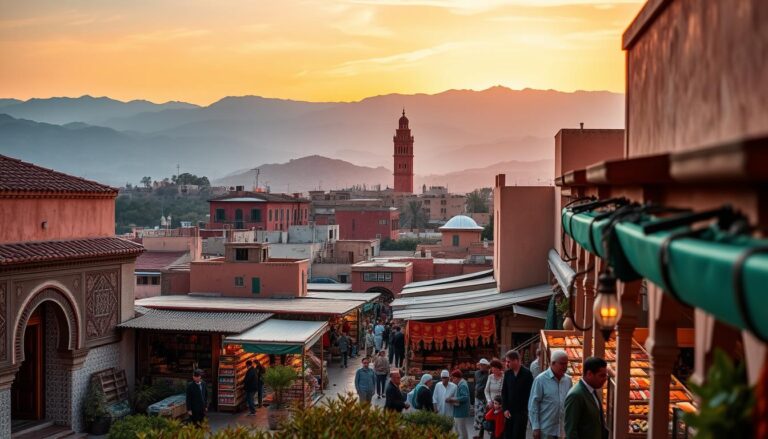
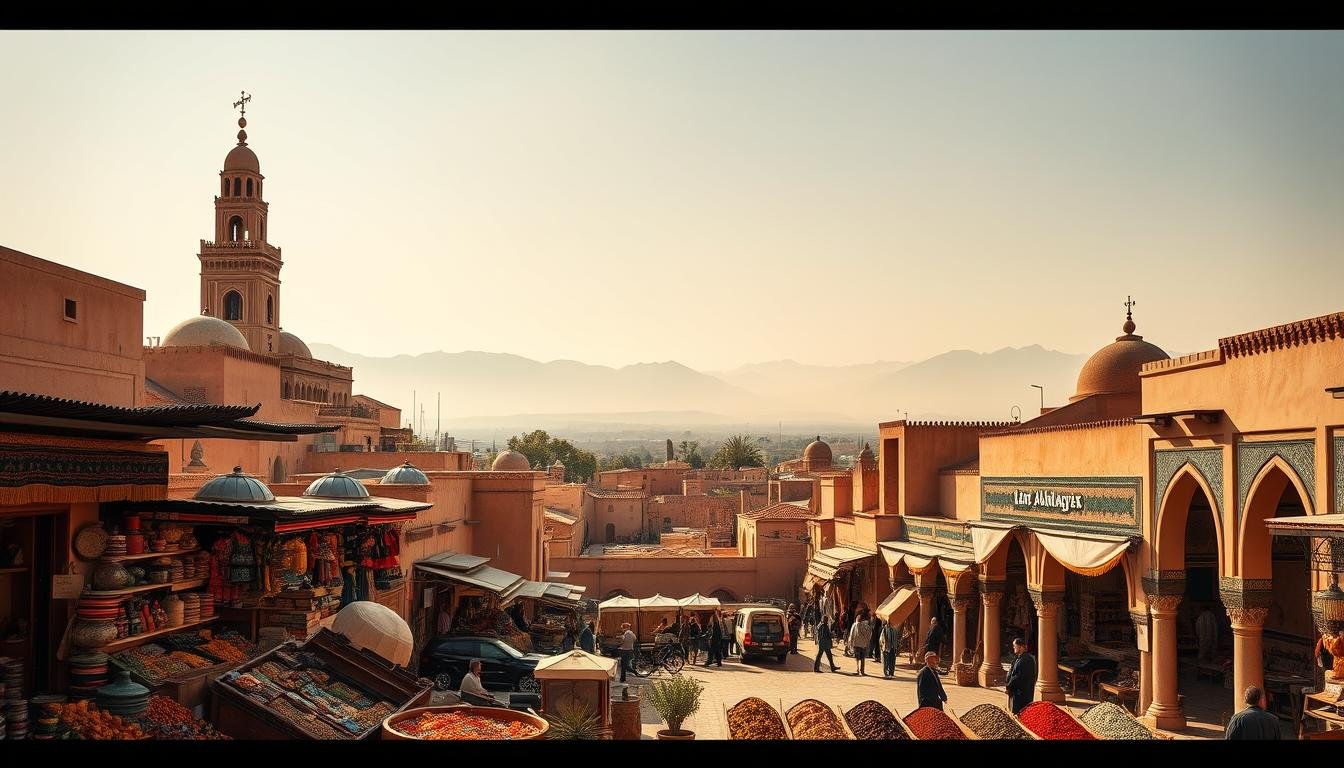
The major cities each offer a distinct flavor. Marrakech buzzes with energy day and night. Its famous Jemaa el-Fnaa square is a spectacle of storytellers and food stalls.
For a deeper historical immersion, Fes is unparalleled. Its ancient medina is a maze of narrow lanes leading to the iconic Chouara Tanneries.
Casablanca presents a more modern cityscape. The stunning Hassan II Mosque, with its towering minaret, is an absolute highlight.
Hidden Gems in Smaller Towns
Venturing beyond the major cities reveals incredible charm. The coastal town of Essaouira provides a breezy, relaxed atmosphere. It’s a perfect place to unwind with fresh seafood.
Nestled in the mountains, Chefchaouen is famous for its blue-painted streets. This unique city is ideal for peaceful wandering and photography.
For more inspiration on crafting your perfect route, explore this detailed list of the best cities to visit in Morocco.
Allocate your time wisely. Spend several nights in larger cities and perhaps just a night or two in a smaller town. This strategy lets you soak in each city‘s unique vibe without rushing.
Your Ultimate “morocco travel guide”: Detailed Itinerary Suggestions
Smart route planning can transform a good vacation into an unforgettable experience of diverse landscapes. This section helps you create a balanced schedule that maximizes exploration while minimizing exhaustion.
One-Week and Extended Itinerary Options
For a one-week trip (7-8 nights), consider this classic route. Fly into Casablanca for one night, then spend two nights in Fes exploring the ancient medina.
Next, experience one night glamping in the Sahara Desert near Merzouga. Follow this with one night in the scenic Dades Valley before finishing with three nights in vibrant Marrakech.
This covers a lot of ground but shows the country’s incredible variety. You’ll need to account for significant driving time between some stops.
For a more relaxed pace, focus your entire week on just 2-3 destinations. Consider three nights in Marrakech, two in coastal Essaouira, and two in the Atlas Mountains.
An extended 15-16 day itinerary allows deeper immersion without rushing. You can visit more regions while having adequate time to appreciate each location’s unique character.
Remember that travel days often become half-days or full days depending on distance. Avoid packing your schedule too tightly to prevent spending more time in transit than exploring.
Exploring the Atlas Mountains and the Sahara Desert
The rugged peaks of the Atlas Mountains and the endless sands of the Sahara Desert offer two dramatically different but equally breathtaking natural experiences. These iconic landscapes provide adventures that will become highlights of your journey.
Trekking the Atlas Mountains
Hiking through the Atlas Mountains reveals stunning vistas and traditional Berber villages. You can choose from multi-day circuits like the seven-day Toubkal Circuit or shorter four-hour hikes through Todra Gorge.
The best time for exploring these mountains is April through May. During these months, temperatures remain comfortable for outdoor activities.
North Africa’s highest peak, Jebel Toubkal, reaches 13,671 feet. Proper preparation ensures a safe and rewarding mountain experience.
Camel Rides and Desert Camp Experiences
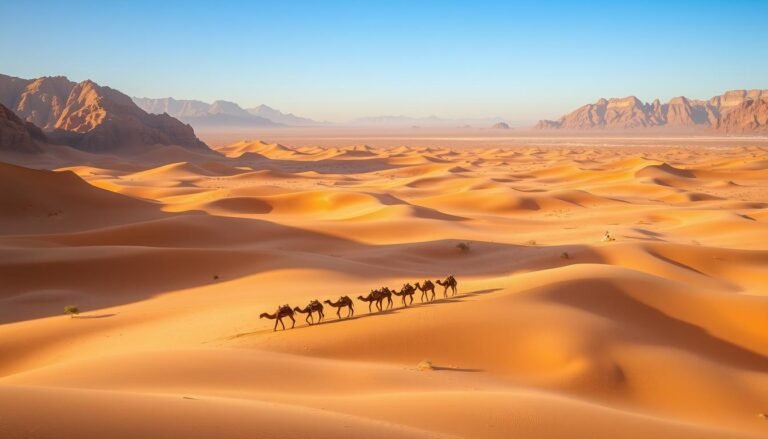
Merzouga serves as the gateway to Erg Chebbi’s magnificent sand dunes. Most visitors spend one or two nights at luxury desert camps featuring comfortable tents with bathrooms.
You can reach your camp by four-wheel drive vehicle or a ninety-minute camel ride. Evening entertainment often includes Berber music around campfires.
Desert activities create unforgettable memories. Try sandboarding down golden slopes or capturing spectacular sunset photos across the dunes.
An hour-long climb up the highest dune rewards you with panoramic views. The star-filled sky without light pollution creates a truly magical night.
Remember that desert conditions can be extreme. Pack accordingly for temperature swings and sandy conditions during your stay.
Experiencing Authentic Moroccan Cuisine
From the first sip of sweet mint tea to your last bite of flaky pastilla, the local cuisine offers unforgettable flavors. Your taste buds will discover a wonderful blend of Berber, Arabic, and French influences.
Traditional Dishes and Tagine Delights
You’ll encounter tagine everywhere during your visit. This slow-cooked dish features tender meat with vegetables and aromatic spices. The distinctive clay pot creates incredibly flavorful meals.
Couscous stands as the national dish, traditionally served on Fridays. Fluffy semolina grains come topped with hearty meat and vegetable stew. Don’t miss pastilla, a unique sweet-savory pie with almonds.
Mint Tea, Street Food, and Culinary Tours
Mint tea represents the signature beverage here. Served hot in small glasses, this sweet drink welcomes you everywhere. The pouring ceremony itself is worth watching.
Street food offers amazing value and authentic flavors. Explore food stalls for kebabs, grilled sardines, and fresh orange juice. Huge sandwiches cost just a few dollars.
Consider taking a cooking class to understand the cuisine better. Places like Café Clock offer hands-on experiences. Walking food tours let you sample multiple dishes and discover hidden gems.
Where to Stay: Riads, Hotels, and Unique Accommodations
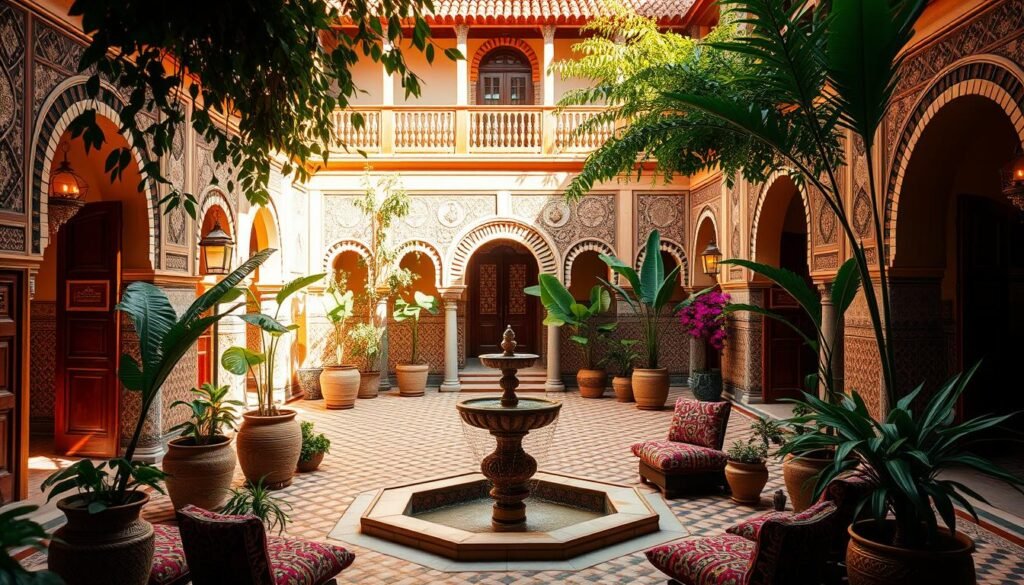
Your choice of accommodation can transform your visit from a simple trip into an immersive cultural experience. You’ll find diverse options ranging from budget-friendly hostels to luxurious traditional homes.
Each type of lodging offers a different way to connect with local life. Your selection should match your travel style and budget.
Staying in a Historic Riad
Choosing a traditional riad provides one of the most authentic ways to experience local hospitality. These beautifully restored homes feature stunning architecture with intricate tilework and peaceful courtyards.
Most riads sit within the ancient medinas, putting you steps away from dining and shopping. Be prepared to navigate narrow streets since these areas often restrict vehicle access.
Many properties offer rooftop terraces perfect for breakfast or evening relaxation. These spaces create peaceful oases above the bustling streets below.
Modern Hotels and Budget-Friendly Options
Budget travelers will find plenty of affordable places to stay. Hostel dorm beds start around 50-110 MAD per night, while private rooms range from 260-380 MAD.
Standard budget hotels typically cost 270-410 MAD per night. These options often provide good value with basic amenities.
When selecting any accommodation, check reviews carefully for mentions of cleanliness and staff responsiveness. Many properties include breakfast, but always confirm when booking.
Don’t hesitate to ask staff to arrange drivers or tours—their local connections often provide better service. Your hotel choice significantly impacts your overall experience in each city you visit.
Cultural Etiquette, Dress Code, and Local Customs
Your clothing choices can speak volumes about your respect for local traditions and values. Understanding these subtle signals helps you connect more meaningfully with the people you meet.
This awareness transforms simple interactions into rewarding exchanges. You’ll find that small gestures of respect open doors to genuine hospitality.
Respectful Travel and Local Do’s and Don’ts
Always ask permission before photographing locals. This simple courtesy shows respect for their privacy. Offering a small tip when they agree is the polite way to show appreciation.
During Ramadan, be mindful that many people are fasting. Avoid eating or drinking openly in public spaces during daylight hours. You’re not expected to fast, but discretion is appreciated.
When locals approach offering services, a polite but firm “no thank you” works best. Continuing to walk prevents prolonged negotiations.
Tips on Modest Dress and Conduct
Women should pack clothing that covers shoulders, chest, and knees. Lightweight pants and long skirts work well in the warm climate. This modest approach shows respect in this Muslim country.
Dress standards vary by region. Marrakech sees more international styles, while rural areas expect conservative attire. Packing versatile layers lets you adapt comfortably.
When visiting mosques, everyone removes their shoes. Women should cover their shoulders and chest, though headscarves aren’t usually required. Carrying a scarf ensures you’re prepared.
These considerations help your travel experience flow smoothly. Respectful conduct makes exploring this fascinating country more enjoyable for everyone.
Shopping and Local Markets: A Shopper’s Paradise
Your shopping adventure in the vibrant markets offers an incredible cultural experience. The twisting streets of ancient medinas create a maze of discovery where every turn reveals new treasures.
You will find entire sections dedicated to specific crafts in these traditional souks. Metalworkers, leather artisans, and textile makers each have their own designated areas. This organization makes finding exactly what you want much easier.
Exploring Souks and Artisan Crafts
Fes provides some of the best shopping opportunities in the country. The Chouara Tanneries let you watch leather artisans at work before purchasing high-quality goods. Remember that bargaining is expected here—start with about half the asking price.
For a more relaxed atmosphere, visit the coastal town of Essaouira. The colorful streets feature friendly vendors with beautiful artisan crafts. You will find a lot of unique textiles and woodwork without the pushy sales tactics.
Don’t forget to take pictures of the vibrant scenes, but always ask permission first. The Meknes Medina offers authentic embroidery and ironwork as another excellent option. This city provides a less touristy experience that feels genuinely local.
Popular items to bring home include leather goods, ceramic tagines, and traditional slippers. Keep your belongings secure in crowded areas. Getting lost in the maze-like medinas becomes part of the fun, leading you to hidden workshops and unexpected finds.
Insider Tips and Money-Saving Strategies

With the right money-saving strategies, you can explore this destination without breaking the bank. Smart planning trip expenses makes your adventure both affordable and unforgettable.
Bargaining and Finding Local Deals
The Moroccan Dirham (MAD) is the local currency. Many places only accept cash, so visit an ATM soon after arrival. Always negotiate taxi fares before getting in the vehicle.
For the best food value, eat at street stalls where meals cost just 30-50 MAD. This saves you a lot compared to Western restaurants. Ask your hotel staff for reasonable price estimates.
Budget-Friendly Travel Hacks
You can comfortably travel on about 285 MAD per day by staying in hostels and using public transport. Bring a reusable water bottle with a filter to avoid daily bottled water costs.
Train and bus travel offers excellent value for seeing a lot of the country. Consider booking tour experiences directly through local guides rather than expensive hotel services.
Skip alcohol to save money and respect local customs. Free activities like exploring medinas provide rich experiences without costing a dirham. This guide helps you maximize every trip budget.
Staying Safe and Navigating Local Challenges
A well-prepared visitor can confidently explore vibrant markets and historic sites with peace of mind. Understanding local safety considerations ensures your journey remains enjoyable and stress-free.
Essential Health and Safety Tips
Staying hydrated is crucial in warm climates. The tap water in major cities is generally safe, but bottled water offers extra security. Always carry water with you, especially when exploring.
Keep valuables secure in crowded areas. Avoid displaying expensive items that might attract unwanted attention. Trust your instincts if a situation feels uncomfortable.
When dining out, choose reputable restaurant establishments. Street food can be delicious, but ensure it’s freshly prepared. Proper hydration with clean water prevents health issues.
How to Avoid Common Scams
Be cautious of overly friendly locals offering unsolicited help. Politely decline offers from unofficial guides. Stick to well-lit street areas with plenty of people around.
Always negotiate taxi fares before your ride begins. If a driver seems suspicious, don’t hesitate to find another. Your safety comes first during any travel experience.
| Safety Area | Recommended Action | Key Benefit |
|---|---|---|
| Hydration | Carry filtered water bottle | Prevents dehydration & illness |
| Valuables | Use hidden money pouch | Reduces theft risk |
| Transportation | Agree on fares upfront | Avoids payment disputes |
| Navigation | Stick to busy streets | Increases personal security |
Remember that clean water is essential throughout your visit. Each city has its own character, but basic safety principles apply everywhere. Enjoy exploring different cities while staying aware of your surroundings.
Final Reflections on Your Morocco Journey
The true magic of exploring this diverse country reveals itself not in the perfect plans, but in the unexpected detours and spontaneous encounters. Your travel experience here teaches you that the most rewarding moments often come from embracing the uncomfortable.
Whether hiking the Atlas Mountains or sipping sweet mint tea in a bustling medina, each day brings new contrasts. The chaotic energy of city streets gives way to serene desert nights under star-filled skies. You’ll treasure the vibrant food, warm hospitality, and breathtaking landscapes long after you return home.
This comprehensive guide has prepared you for the practical aspects, but the real adventure happens when you step off the beaten path. The memories created during your time in this remarkable place will stay with you, reminding you that the best journeys transform how we see the world.