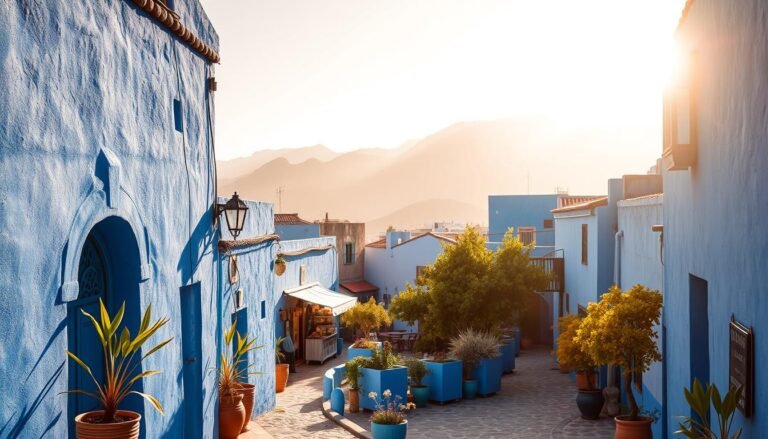
Explore the Enchanting City of Marrakech, Morocco
Imagine a place where ancient traditions seamlessly blend with modern luxury, creating an unforgettable experience. Marrakech, known as the “Red City,” is a vibrant destination that attracts visitors from around the world with its unique charm. As you wander through the city’s labyrinthine souks, you’ll discover a world of colorful markets, stunning architecture, and warm hospitality.
The city’s dual personality is part of its allure, with the ancient walled Medina standing alongside the colonial Ville Nouvelle, complete with its wide boulevards and charming cafés. Whether you’re seeking cultural immersion, architectural wonders, or relaxation at a beautiful hotel pool or rooftop terrace, Marrakech has something for everyone. For a more in-depth exploration of Morocco, consider checking out a comprehensive Morocco travel guide to enhance your journey.
As you prepare for your trip, you’ll find that Marrakech is a city that promises an unforgettable travel experience, with its bustling Jemaa el Fna square, peaceful garden retreats, and panoramic views from rooftop terraces. With this guide, you’ll be well on your way to navigating the city’s enchanting chaos and discovering its hidden gems.
The Red City: Discovering Marrakech’s Unique Charm
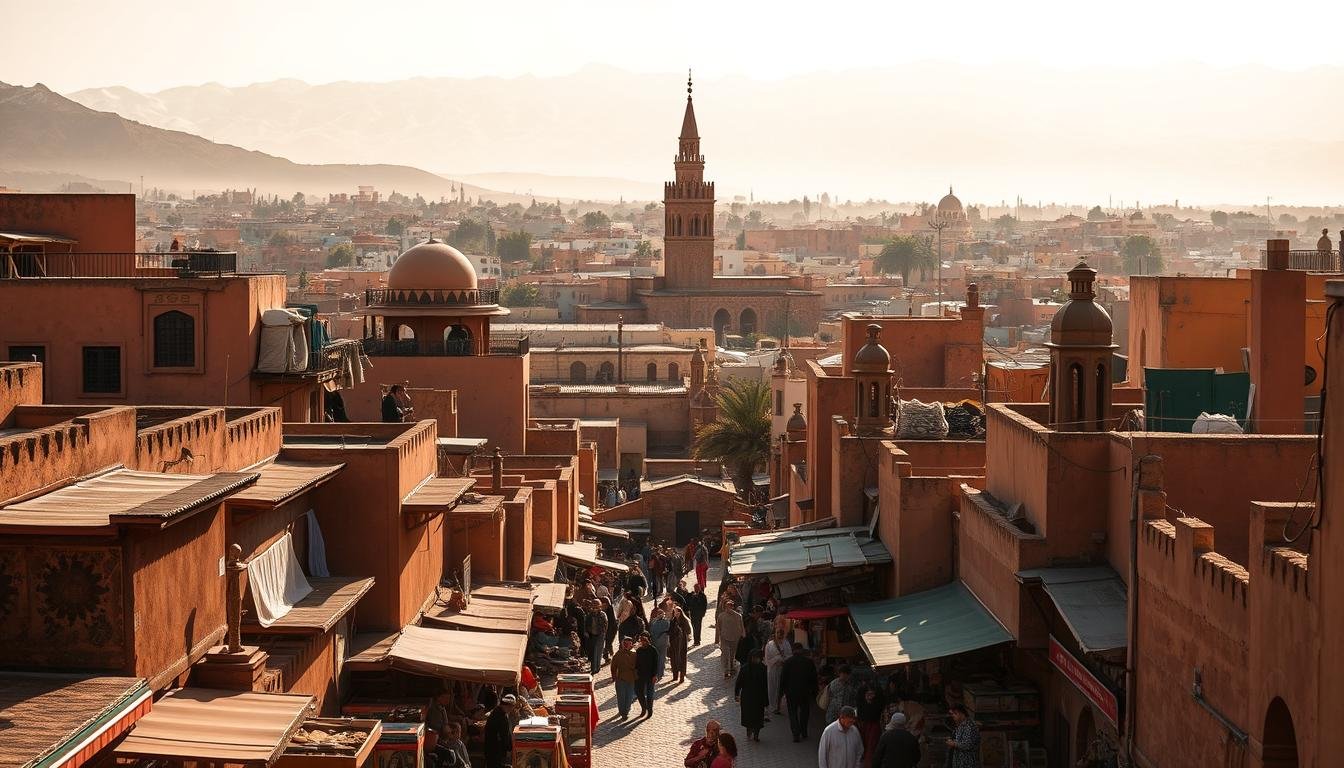
With its distinctive red walls and buildings, Marrakech, or the Red City, is a destination that captivates the heart of every traveler. The natural red ochre pigment that bedecks its walls and buildings can at times seem dominant, but there’s no shortage of other colors that add to the city’s vibrancy.
Marrakech is a city of two halves: the ancient walled Medina, founded by Sultan Youssef Ben Tachfine in the Middle Ages, and the colonial Ville Nouvelle, built by the French in the mid-twentieth century. Each has its own delights – the Medina with its ancient palaces and mansions, labyrinthine souks, and deeply traditional way of life, and the Ville Nouvelle with its pavement cafés, trendy boutiques, gardens, and boulevards.
A Tale of Two Cities: The Ancient Medina and Modern Ville Nouvelle
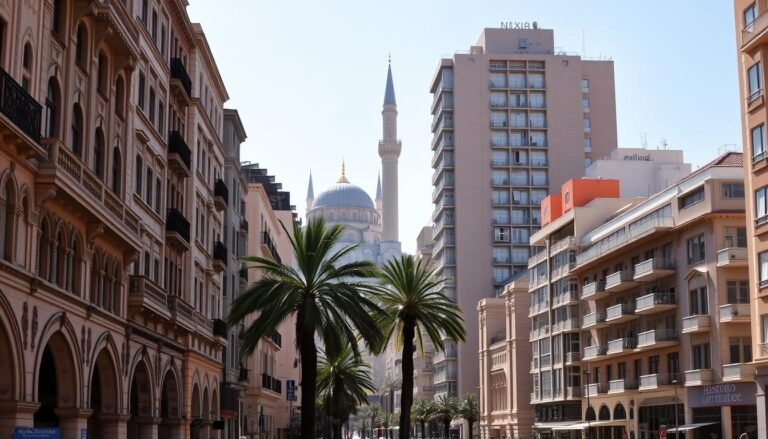
The Medina represents the beating heart of traditional Moroccan culture, with its maze-like streets and bustling souks. In contrast, the Ville Nouvelle offers a more European atmosphere with wide boulevards and sidewalk cafés, making it a unique place to experience the blend of cultures.
As you explore the Medina, you’ll discover how it has maintained its traditional way of life, despite the influences of modernity. On the other side, the Ville Nouvelle provides a glimpse into Marrakech’s colonial past and its evolution into a modern city.
The Cultural Melting Pot of Morocco
Marrakech has evolved over time from a Berber trading post to a sophisticated destination that attracts travelers seeking both authentic cultural experiences and luxury hotel accommodations. The city’s development has been shaped by its ingenious traditional water systems, which still provide relief from the desert heat through refreshing fountains and pools.
One of the most vibrant experiences in Marrakech is visiting its famous square, where the pulse of city life can be felt most strongly, especially during evening gatherings. As you soak in the atmosphere, you’ll appreciate the bit of magic that Marrakech adds to your travel experience. For a more in-depth exploration of Marrakech, consider checking out a suggested 2-day itinerary to make the most of your time in this captivating part of Morocco.
A Brief History of Marrakech: From Berber Origins to Modern Metropolis
As you step into the vibrant city of Marrakech, you’re not just entering a place, you’re stepping into a rich history that spans centuries. Marrakech, founded near the beginning of Almoravid rule by Youssef Ben Tachfine around 1062-70, began as a simple camp and market before evolving into a fortified town.
The Founding and Golden Age
The city’s early development was marked by the construction of its iconic red walls, made from tabia, a mixture of red mud and lime, in 1126-27. These walls, many times rebuilt, are essentially the city’s present walls. The Almoravids’ building works have largely disappeared, but the Almohad dynasty that followed brought Marrakech to its golden age, especially under Yacoub el Mansour in the late 12th century.
During this period, Marrakech flourished as an imperial capital, with significant advancements in water management systems. These systems were crucial for the city’s survival and growth, enabling the development of gardens and public fountains. The city’s infrastructure supported its growing population and established it as a major cultural and economic hub.
Colonial Influence and Contemporary Marrakech
Marrakech’s history took another significant turn with the onset of French colonialism during the Protectorate period (1912-1956), which influenced the city’s architecture and urban planning. Despite this, Marrakech has maintained its historical essence, particularly in its souks and traditional riads, which continue to charm visitors.
Today, Marrakech is a cosmopolitan destination that blends its rich history with modern amenities, including luxury hotels. As you explore this enchanting city, you’ll discover how its past continues to shape its present, making it a fascinating place to visit.
| Period | Event | Impact on Marrakech |
|---|---|---|
| 1062-70 | Founding by Youssef Ben Tachfine | Establishment as a fortified town |
| Late 12th Century | Reign of Yacoub el Mansour | Golden Age; significant architectural and cultural developments |
| 1912-1956 | French Colonial Period | Influence on architecture and urban planning |
When to Visit Marrakech: Seasons, Weather, and Festivals
Understanding the seasonal variations in Marrakech’s climate and cultural calendar is crucial for planning a memorable trip. Marrakech, a city that seamlessly blends traditional and modern elements, offers a unique experience that changes with the seasons.
Climate Considerations: Avoiding the Summer Heat
Marrakech’s climate is characterized by very hot summers and mild winters. Summer temperatures often soar above 100°F (40°C), making the exploration of souks and outdoor attractions uncomfortable during the peak sun hours. To avoid the heat, consider visiting during the spring (March-May) or fall (September-November), when the weather is more pleasant. During these periods, you can enjoy the city’s vibrant atmosphere without the extreme heat. Hotel prices also tend to be more reasonable during these shoulder seasons, making it an ideal time to visit.
Cultural Celebrations and Events Worth Planning For
Marrakech hosts several cultural festivals and events throughout the year that are worth planning your trip around. The two-week Festival National des Arts Populaires, held in June or July, is a highlight, featuring musicians and dancers from across Morocco and beyond. Although it’s during the hot summer months, the evening performances starting around 9 pm offer a magical experience under the stars. Another event is the Marrakesh Film Festival in November or early December, where movies are screened in atmospheric locations like El Badi Palace and Jemaa el Fna square. These events bring the city to life at night, offering a unique experience. You should also be aware that some attractions may have limited hours or close for a bit during prayer times, requiring flexibility in your daily planning.
As you plan your visit, consider that hotel prices fluctuate throughout the year, with the highest rates during peak tourist seasons and European holiday periods. Visiting during the shoulder season can also help you save on accommodations. Whether you’re exploring the bustling souks during the day or enjoying the city’s transformation at night when people fill the streets, Marrakech offers an unforgettable experience. The key is to plan according to your preferences and what you want to get out of your trip, considering factors like price and the number of days you have to explore this vibrant city.
Getting to and Around Marrakech
For those planning a trip to Marrakech, the city’s Menara Airport is the gateway, offering a convenient entry point for international travelers. Located just 3km from the city centre, Marrakech Menara Airport is served by numerous airlines from Europe, making it easily accessible.
Flying to Marrakech Menara Airport
Flights from London to Marrakech take approximately 3.5 hours, making it a good value flight to book. You can purchase flights using Avios points: 27500 Avios + £1 or 18500 Avios + £35. Marrakech Menara Airport is a modern facility that caters to the needs of travelers, providing a comfortable start to your journey.
Airport Transfers and Local Transportation Options
Upon arrival, arranging an airport transfer in advance through your hotel or riad is highly recommended. This service ensures a smooth journey to your accommodation, especially since taxis may not offer local rates, and the narrow streets of the Medina can be challenging to navigate without guidance. You can easily book your airport transfer when you confirm your booking.
Navigating the Maze-Like Medina
To explore Marrakech’s vibrant streets, downloading offline maps such as Google Maps or Maps.Me is advisable. This will help you navigate the Medina’s winding paths. You can walk around on foot in Marrakech if you have a map to refer to, making it easy to discover the city’s hidden gems, including various souks that come alive in the evening.
Understanding the local transportation options, including petit taxis for short trips and grand taxis for longer journeys, will also enhance your experience. With a little preparation, you’ll be well on your way to enjoying all that Marrakech has to offer, from its historic landmarks to its lively city atmosphere.
Where to Stay in Marrakech: Accommodation Options for Every Budget
Marrakech offers a diverse range of accommodations to suit every traveler’s needs, from luxurious riads to budget-friendly hostels. The city is divided into several areas, each with its unique character and advantages. Understanding these areas and the types of accommodations they offer is key to choosing the perfect place to stay.
Traditional Riads: Experiencing Authentic Moroccan Hospitality
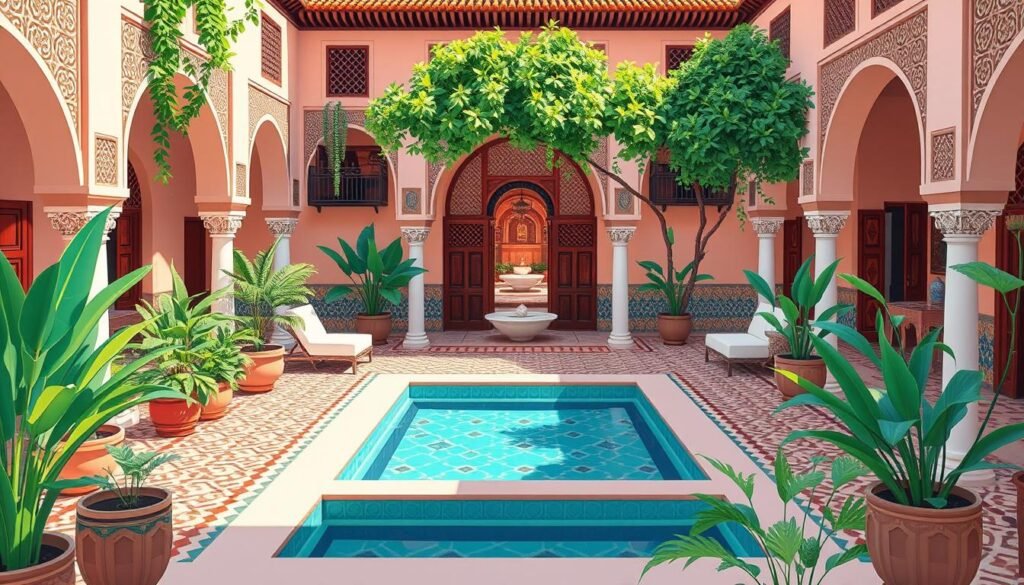
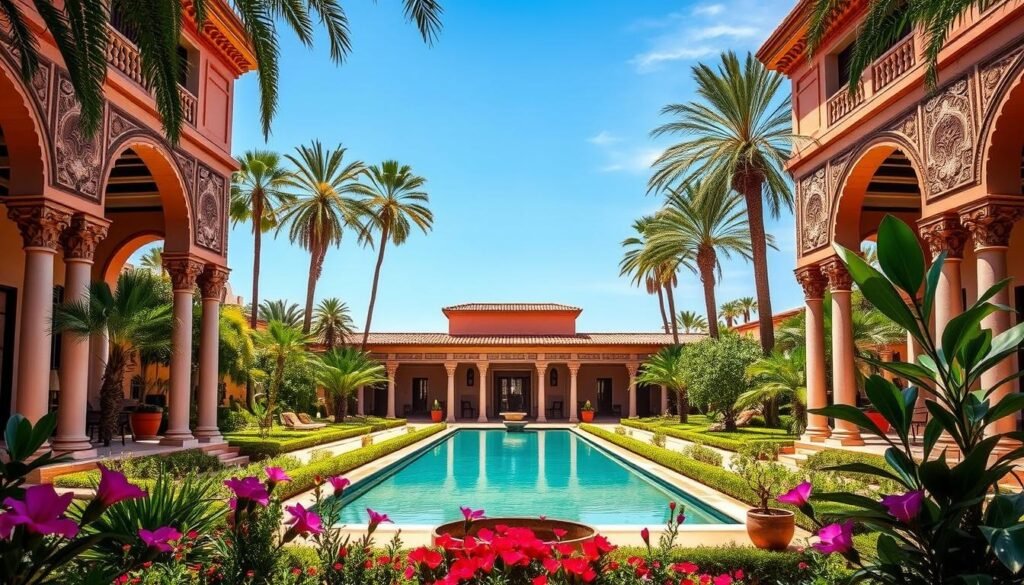
Traditional riads are a hallmark of Marrakech’s accommodation scene. These Moroccan townhouses are built around a central courtyard, often featuring a refreshing pool and rooftop terrace, offering an authentic and intimate accommodation experience. You’ll discover that riads are typically hidden away in the Medina’s backstreets, providing a peaceful retreat from the bustling streets outside.
Luxury Hotels and Resorts
For those seeking a more luxurious experience, Marrakech is home to numerous high-end hotels and resorts. Properties like Riad Hikaya, La Sultana, and Royal Mansour offer opulent rooms, spectacular pools, and world-class restaurants and bars. These luxury accommodations are often located in the Hivernage and Semlalia areas, providing a tranquil retreat from the city’s hustle and bustle.
Budget-Friendly Hostels and Guesthouses
Travelers on a budget will find that Marrakech offers a variety of affordable accommodation options. Hostels and guesthouses, particularly in the Medina around Jemaa el Fna, provide access to traditional Moroccan design elements and often include communal terraces. These budget-friendly options are ideal for those looking to immerse themselves in the local culture without breaking the bank.
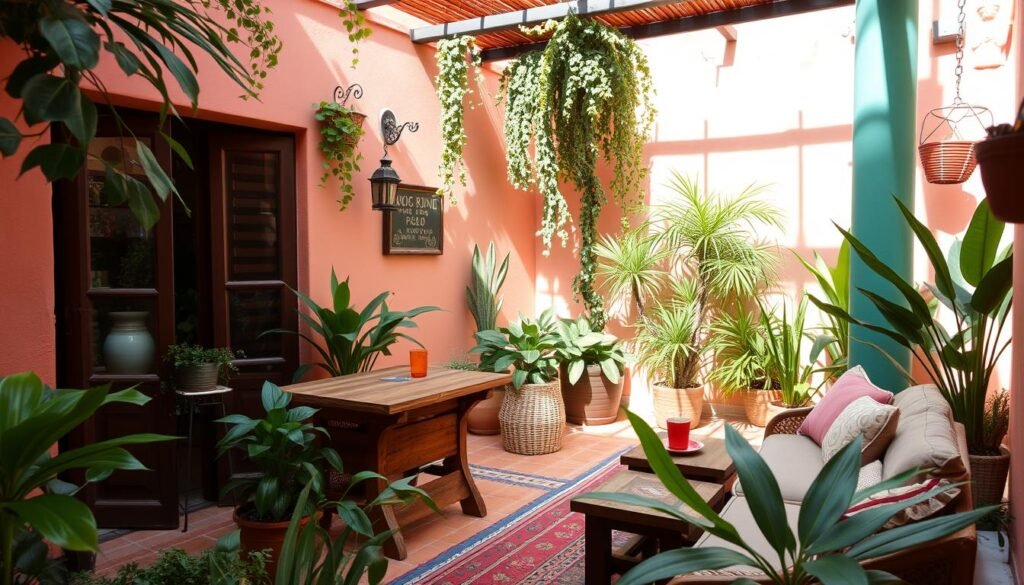
When choosing where to stay in Marrakech, consider the different areas of the city. The Medina offers an authentic atmosphere and proximity to major sights, while Guéliz is handier for transport connections. Hivernage and Semlalia are known for their luxury resorts with swimming pools. Regardless of your budget or preferences, Marrakech has an accommodation option that’s right for you.
It’s also important to book your accommodations well in advance, especially during peak tourist seasons like Easter and Christmas/New Year holiday periods, when the best riads and hotels fill up quickly.
Exploring the Medina: Heart of the Marrakech Morocco Travel Guide
The heart of Marrakech beats strongest in its ancient Medina, a UNESCO World Heritage site. As you explore this historic area, you’ll discover that it’s the centre of the city’s vibrant culture and rich history. The Medina is enclosed by 12th-century walls and is home to most of Marrakech’s historical attractions, traditional souks, and authentic experiences.
Understanding the Layout of the Old City
The Medina’s layout is complex, with different quarters and souks dedicated to specific crafts and trades. To navigate this labyrinthine city, it’s essential to understand its layout. The broad, open space of Jemaa el Fna is at the heart of the Medina, with the main souks to its north. Most of the main sights are within easy walking distance, making it relatively straightforward to explore on foot.
Tips for Not Getting Lost in the Labyrinthine Streets
While the Medina can seem daunting, there are several ways to avoid getting lost. Using a decent map can help you find your way around, and memorizing distinctive landmarks like the Koutoubia Mosque minaret can serve as orientation points. You can also use offline maps or drop pins on Google Maps to mark your accommodation, ensuring you can find your way back.
Cultural Etiquette Within the Ancient Walls
When exploring the Medina, it’s crucial to respect local customs and traditions. This includes dressing modestly, covering your shoulders and knees, and asking permission before photographing people. At night, the Medina transforms, with different aspects of local life coming to the forefront, including lively bar scenes in certain areas. Be sure to experience this transformation and enjoy the unique atmosphere of the Medina at night.
As you wander through the Medina, you’ll discover that it’s a distinct part of Marrakech, full of character and charm. The Medina is a place where tradition and culture are palpable, making it an unforgettable experience for any visitor.
Jemaa el Fna: The Pulsating Heart of Marrakech
Jemaa el Fna is more than just a square; it’s the heartbeat of Marrakech. This famous square is a must-visit destination for anyone traveling to the city, offering an unforgettable experience that showcases the best of Moroccan culture.
Daytime Experiences in the Famous Square
During the day, Jemaa el Fna is a relatively calm space, with a handful of snake charmers, medicine men, and tooth-pullers entertaining the crowds. You can watch these performers and get a glimpse into traditional Moroccan street life. The northeast part of the square is particularly popular with medicine men displaying their cures and nostrums.
Evening Transformation: Food Stalls, Performers, and Nightlife
As the day gives way to evening, Jemaa el Fna transforms into a vibrant carnival. The square fills with people, musicians, storytellers, and acrobats, creating a lively atmosphere that’s hard to resist. You can enjoy the spectacle while sampling delicious Moroccan street food from the numerous food stalls that set up each night. For a different perspective, head to one of the surrounding rooftop bars or restaurants to take in the views of the bustling square.
| Experience | Daytime | Evening |
|---|---|---|
| Performers | Snake charmers, medicine men, tooth-pullers | Storytellers, acrobats, musicians |
| Atmosphere | Relatively calm | Vibrant carnival |
| Food | Limited options | Numerous food stalls offering Moroccan street food |
As you explore Jemaa el Fna, you’ll become part of the vibrant tapestry that makes Marrakech so unique. Whether you’re watching the performers, enjoying the local cuisine, or simply soaking up the atmosphere, Jemaa el Fna is an unforgettable experience that will leave you wanting more.
Must-Visit Historical Sites and Architectural Wonders
Marrakech is a treasure trove of historical sites and architectural wonders, each telling a story of the city’s rich past. As you explore this enchanting city, you’ll discover a plethora of must-visit sites that showcase its cultural and historical significance.
Ben Youssef Madrasa and the Almoravid Koubba
The Ben Youssef Madrasa, a 14th-century Islamic college, is one of Marrakech’s most beautifully decorated buildings, featuring exquisite zellij tilework, stucco plasterwork, and carved cedarwood throughout its impressive courtyard and student quarters. This historic site was a koranic school where students learned the Koran by rote.
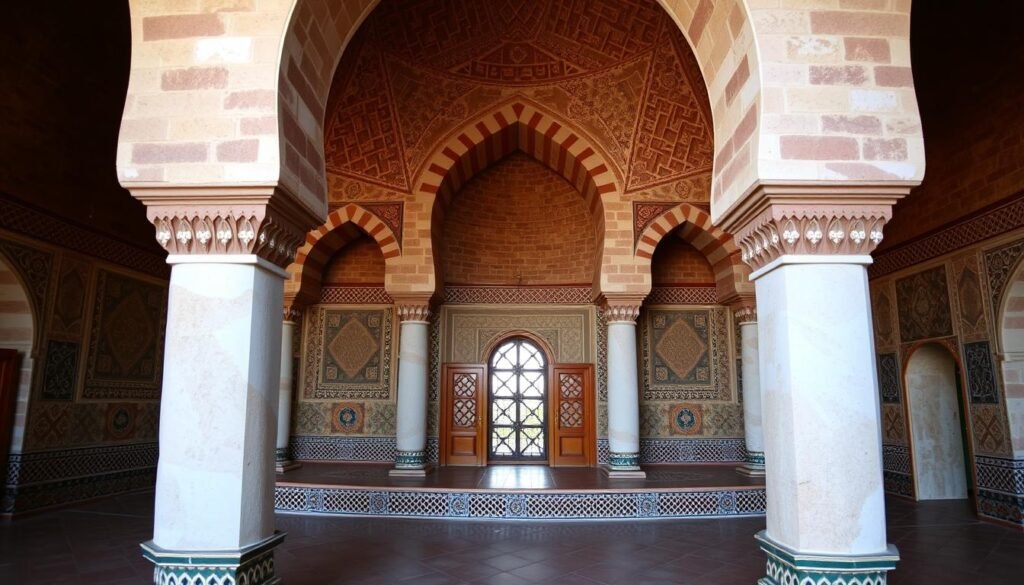
Nearby, the Almoravid Koubba, the only surviving structure from the Almoravid dynasty, showcases architectural motifs that influenced all subsequent Moroccan design. This ancient building is a testament to the city’s rich architectural heritage.
The Koutoubia Mosque and Minaret
The iconic Koutoubia Mosque and its 12th-century minaret are must-visit sites in Marrakech. The minaret, standing at 77 meters high, is the tallest structure in the Medina and has served as a model for similar towers in Seville and Rabat. Its architecture is a marvel of Islamic design.
Bahia Palace and El Badi Palace
The opulent Bahia Palace, built in the late 19th century, features serene courtyard gardens and intricate decoration. It was once the residence of a grand vizier who housed his harem here. In contrast, the El Badi Palace, once one of the most magnificent royal residences in the world, now lies in ruins, its grandeur reduced to an atmospheric place with a reflecting pool where musicians sometimes perform at night.
The Saadian Tombs
Hidden away for centuries, the Saadian Tombs were rediscovered in 1917, revealing stunning cedar and marble decorations in the burial chambers of the Saadian dynasty. This historical site is a testament to the rich cultural heritage of Marrakech.
These historical sites not only reflect different periods in Marrakech’s history but also share common architectural elements, particularly the use of courtyards as central organizing spaces in traditional Moroccan buildings. As you explore these wonders, you’ll gain a deeper understanding of the city’s architectural and cultural evolution.
Gardens and Green Spaces: Oases in the Desert City
In the heart of Marrakech lies a world of lush gardens, where the soothing sounds of water features and vibrant colors transport you to a state of tranquility. These oases in the desert city offer a peaceful retreat from the bustling energy of the Medina.
Jardin Majorelle and the Yves Saint Laurent Museum
Jardin Majorelle is a must-visit destination in Marrakech, featuring exotic plants, vibrant colors, and refreshing water features. This iconic blue garden was created by French painter Jacques Majorelle and later restored by fashion designer Yves Saint Laurent. To avoid the crowds, it’s recommended to visit early in the morning. You can grab a mint tea or soft drink at one of the two cafes inside the garden, one of which is located on a terrace overlooking the garden and pergola.
A combined ticket allows you to explore the small Berber museum exhibit inside the gardens and the adjacent Yves Saint Laurent Museum. The latter showcases the designer’s work and his connection to Marrakech, providing insight into how the city influenced his creative vision.
Le Jardin Secret and Other Hidden Gardens
Le Jardin Secret is a recently restored historic garden in the heart of the Medina, featuring a traditional Islamic layout, exotic plants, and a pavilion overlooking a central courtyard with a serene pool. The garden’s ingenious irrigation system is a testament to the importance of water in these desert city gardens.
Other hidden green spaces in Marrakech include the Cyber Park (Arsat Moulay Abdeslam) on the western side of the Medina and the Menara Gardens with their large reflecting pool. These gardens offer a tranquil escape from the city’s bustling energy and provide shaded spaces to relax and recharge.
As you explore these gardens, you’ll notice the blend of Andalusian, French, and Islamic design influences that create uniquely Moroccan spaces. The rooftop garden cafes and bars offer refreshments while providing elevated views of the lush plantings below.
Culinary Experiences: Tasting Marrakech
Indulge in the rich culinary heritage of Marrakech, where every meal is a celebration of flavors and hospitality. As you explore this vibrant city, you’ll discover a diverse array of culinary delights that blend traditional Moroccan cuisine with international flavors.
Traditional Moroccan Dishes to Try
Moroccan cuisine is known for its rich flavors and aromas, with dishes like tagine (slow-cooked stews), couscous (traditionally served on Fridays), pastilla (sweet and savory pie), and tanjia (Marrakech’s specialty of meat slow-cooked in clay urns) being must-try experiences. You should also explore the street food scene at Jemaa el Fna square, where food stalls offer everything from grilled meats and snail soup to fresh-squeezed orange juice and traditional Moroccan sweets.
Recommended Restaurants, Cafés, and Rooftop Bars
For a memorable dining experience, consider visiting Narwama, which offers live music and belly dancing, or Limoni for excellent Italian food. Nomad is another great option, serving modern takes on Moroccan classics. When it comes to rooftop dining, Kabana, El Fenn, and DarDar Rooftop offer stunning views over the city along with quality food and drinks.
Food Safety Tips for Travelers
To ensure a safe and enjoyable culinary experience, remember to drink only bottled water, avoid raw vegetables that may have been washed in tap water, and be cautious with street food. It’s also worth noting that while some places serve alcohol, many traditional Moroccan restaurants do not, which is important to know when planning special meals for a couple or group.
As you explore Marrakech’s culinary scene, be sure to sample traditional Moroccan mint tea, served in a ceremonial fashion and found in nearly all cafés and restaurants throughout the city. Discovering hidden food gems in less touristy places can also lead to more authentic and reasonably priced meals away from the main tourist areas.
Shopping in the Souks: A Treasure Hunt in the Markets
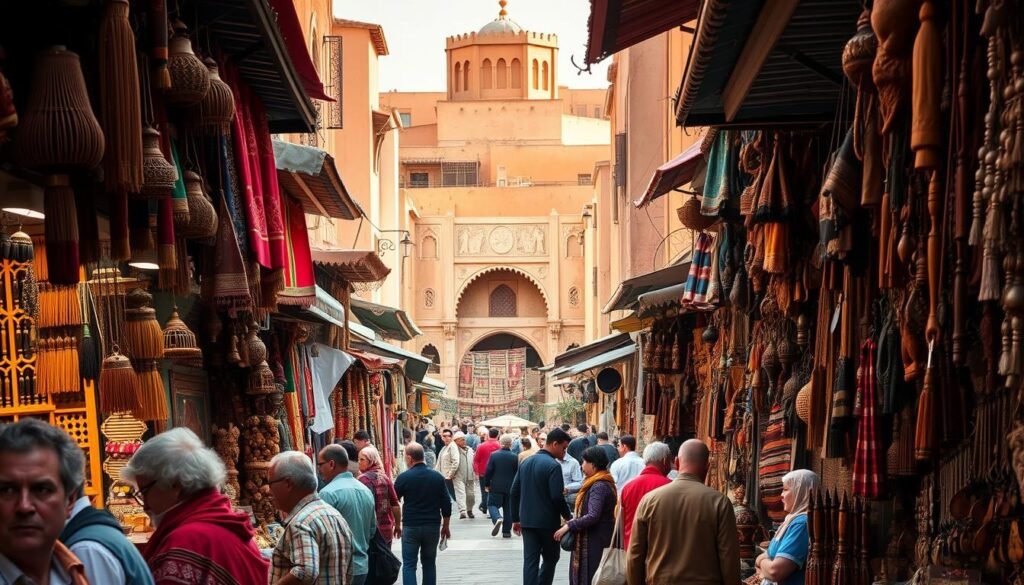
The moment you step into Marrakech’s Medina, you’re immersed in a world of vibrant markets known as souks, where the art of shopping is an adventure. Marrakech’s Medina is full of different souks, and any hotel or Riad will be able to tell you which souk to go to for spices, leather, glassware, ceramics, or textiles.
Navigating Different Specialized Souks
The souks are organized by specialty, making it easier for you to find what you’re looking for. For instance, Souk Semmarine is renowned for its textiles, while Souk Cherratine specializes in leather goods, and Souk Attarine is the place to go for spices and perfumes. Exploring these souks is like embarking on a treasure hunt, with each stall offering a new discovery.
The Art of Haggling: Tips for Getting the Best Deals
Haggling is an integral part of the shopping experience in Marrakech’s souks. It’s not just about reaching a mutually agreeable price; it’s an interaction that requires patience and a friendly demeanor. A good rule of thumb is to start at about one-third of the initial asking price. This way, you can negotiate a fair deal that leaves both you and the vendor satisfied.
What to Buy: Authentic Moroccan Souvenirs
When it comes to shopping in Marrakech, you’re spoiled for choice. Some of the most authentic Moroccan souvenirs include handwoven Berber carpets, leather goods, argan oil products, spices, traditional lanterns, and handcrafted ceramics. Take your time to browse through the various stalls, and don’t hesitate to explore the less central areas, where you might find unique items at a better price.
After a long day of shopping, take a break at one of the small cafés or bars scattered throughout the market areas. Reflecting on your shopping experience, you’ll appreciate the vibrant atmosphere of the souks, which makes Marrakech a couple’s paradise or a solo traveler’s delight, all centered around the bustling commercial heart of the Medina.
Cultural Experiences and Activities
Immerse yourself in the rich cultural heritage of Marrakech by participating in various cultural experiences and activities. Marrakech is a city that offers a unique blend of traditional and modern culture, making it an ideal destination for cultural enthusiasts.
Traditional Hammam Spa Experiences
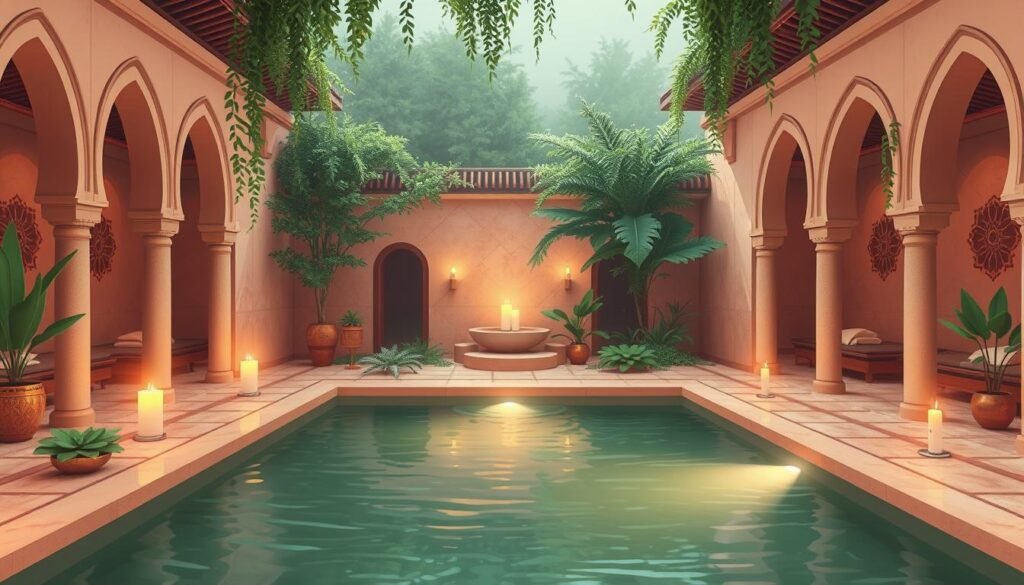
A traditional Moroccan hammam is an experience you simply have to try. It involves steam bathing, exfoliation with black soap, and a massage using argan oil. Les Bains D’Orient is a recommended establishment for a traditional hammam and back massage.
Cooking Classes and Food Tours
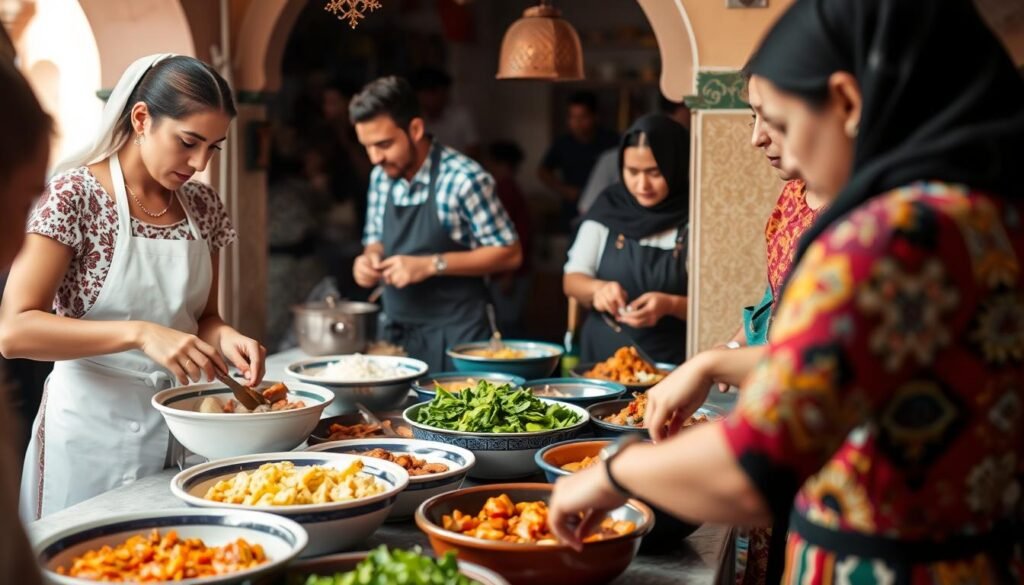
Participate in a Moroccan cooking class, which often begins with a guided tour of local markets to select fresh ingredients. You will then learn to prepare traditional dishes like tagine, couscous, and pastilla. Marrakech tours can help you discover the best cooking classes and food tours.
Photography Tours and Cultural Workshops
Explore Marrakech through the lens of a camera with photography tours that guide you to the most photogenic places. You can also engage in cultural workshops focusing on traditional Moroccan crafts such as pottery, calligraphy, or textile weaving.
These cultural experiences and activities will give you a deeper understanding of Marrakech’s rich cultural heritage. Whether you’re enjoying a relaxing hammam experience, savoring local food at a rooftop restaurant, or exploring the city’s vibrant bars, Marrakech has something to offer every kind of traveler.
Day Trips from Marrakech
From mountains to deserts, Marrakech’s surroundings are ripe for exploration on a day trip. The city is a perfect hub for visiting various captivating destinations that showcase Morocco’s diverse geography and rich cultural heritage.
Atlas Mountains and Berber Villages
The Atlas Mountains offer a breathtaking landscape and traditional Berber villages to explore. On a day trip, you can discover the dramatic contrast between the bustling city and the peaceful mountain scenery. Visit authentic Berber communities, enjoy mint tea with local families, and perhaps have lunch in a village home or mountain restaurant.
Essaouira: The Coastal Escape
Head to Essaouira, a laid-back fishing town on the Atlantic side, known for its Portuguese fortifications, vibrant arts scene, fresh seafood, and cooling ocean breezes. It’s an ideal destination for a day trip, offering a relaxing atmosphere and a chance to enjoy water activities.
Agafay Desert Experience
Experience the Agafay Desert, a rocky desert landscape just 30 minutes from Marrakech. It’s perfect for a romantic evening for a couple under the stars. Enjoy a relaxing dinner under the stars with local Berber musicians, and consider a camel ride if you’re interested in exploring the desert terrain.
Other exciting day trip options include exploring the Ourika Valley, visiting the Ouzoud Waterfalls, and taking a trip to Ouarzazate and Ait Ben Haddou. For more information on these and other day trips, visit https://moroccowonder.com/day-trips-from-marrakech/.
While day trips can be arranged through your accommodation, hiring a private driver or joining an organized tour is often the most comfortable way to explore these more remote places. Whether you’re looking for adventure, cultural immersion, or simply a change of scenery, there’s a day trip from Marrakech that’s right for you.
Practical Travel Tips for Marrakech
To make the most of your trip to Marrakech, it’s essential to be aware of a few practical travel tips that can significantly enhance your travel experience.
What to Pack and Wear
When traveling to Marrakech, dressing modestly is key. For women, this means wearing loose-fitting clothes that cover your shoulders and knees. Men should opt for longer shorts or trousers and t-shirts rather than tank tops. Don’t forget to pack essentials like a hat, sunglasses, sunscreen, and a reusable water bottle to protect yourself from the intense sun. Comfortable walking shoes are also a must for navigating the uneven streets of the Medina.
Money, Tipping, and Bargaining
Understanding the local currency, the Moroccan Dirham, is crucial. While credit cards are widely accepted in hotels and upscale restaurants, cash is king in the souks, taxis, and smaller establishments. Always carry a mix of both. When it comes to tipping, around 10% is standard in restaurants, and small amounts are appreciated by guides and service staff. Be prepared to haggle when shopping; it’s part of the local culture, and negotiating the price can be a fun experience.
| Tipping Guidelines | Amount |
|---|---|
| Restaurant Service | 10% |
| Guides | Small amounts (negotiable) |
| Taxis | Optional, round up the fare |
Staying Healthy and Safe
To stay healthy, drink only bottled water and be cautious with street food. Basic medications for stomach issues can be a lifesaver. For safety, be aware of common scams, such as “guides” who offer to show you the way and then demand money. Musicians and performers in public spaces, like the famous square, expect small tips if you watch or photograph them. Consider downloading useful travel apps, including offline maps and translation tools, to help you navigate and communicate during your travel.
Planning Your Itinerary: How Many Days to Spend
To truly immerse yourself in the magic of Marrakech, you need to plan your itinerary wisely. The ideal length of your stay depends on your travel style and interests.
For most visitors, 3-4 days is sufficient to explore the city’s main attractions. With this amount of time, you can experience the highlights of Marrakech.
3-Day Essential Marrakech Experience
A 3-day itinerary allows you to focus on the must-see sights. You can explore the Medina and its souks, visit historical sites like Ben Youssef Madrasa and the Saadian Tombs, and enjoy the vibrant atmosphere of Jemaa el Fna square. Balancing your time between sightseeing, relaxation on your riad’s rooftop terrace, and cultural experiences is key to a fulfilling trip.
5-7 Day Extended Stay with Day Trips
If you have more time, consider extending your trip to 5-7 days. This allows you to include day trips to the Atlas Mountains, Essaouira, or the Agafay Desert, adding depth to your Moroccan experience. With a longer stay, you can also plan your daily activities according to the time of day, visiting major sites in the morning and exploring the Medina in the evening.
Remember to leave some room in your itinerary for spontaneous discoveries and rest days, as the sensory intensity of Marrakech can be overwhelming if you pack too much into every day.
The Magic of Marrakech Awaits Your Discovery
As you bid farewell to Marrakech, you carry with you not just souvenirs but the essence of the city – its energy, its beauty, and its warmth. The vibrant square of Jemaa el Fnaa, the serene rooftop terraces, and the labyrinthine streets of the Medina all blend together to create an unforgettable experience.
Marrakech is a guide to a world where ancient traditions and modern luxuries coexist in harmony. As you reflect on your time in this enchanting city, you’ll appreciate how it has engaged all your senses – from the vibrant colors and intricate patterns to the aromas of spices and street food, and the taste of authentic Moroccan cuisine.
While Marrakech can sometimes feel overwhelming, it’s this very intensity that makes it such a memorable and transformative travel experience. The city’s contrasts – between ancient and modern, chaotic and peaceful – create its distinctive character and appeal, making it a place that stays with you long after you’ve left.
Some of your best memories may come from unexpected moments: a conversation with a local shopkeeper, a peaceful sunset from a rooftop terrace, or getting delightfully lost in the maze-like streets. Marrakech has a way of changing visitors, offering new perspectives and a deeper appreciation for a culture that has preserved its heart and traditions.
As you plan your next journey or reminisce about your time in Marrakech, remember to take with you the spirit of the city – its hospitality, its resilience, and its celebration of beauty in everyday life. Use this guide as a starting point for your own unique journey of discovery in this enchanting city that has captivated travelers for centuries.