Plan Your Trip: Morocco Travel Itinerary 7 Days Guide
Surprising fact: nearly half of first-time visitors cram too many stops into a single week, then rush and miss what made the country special.
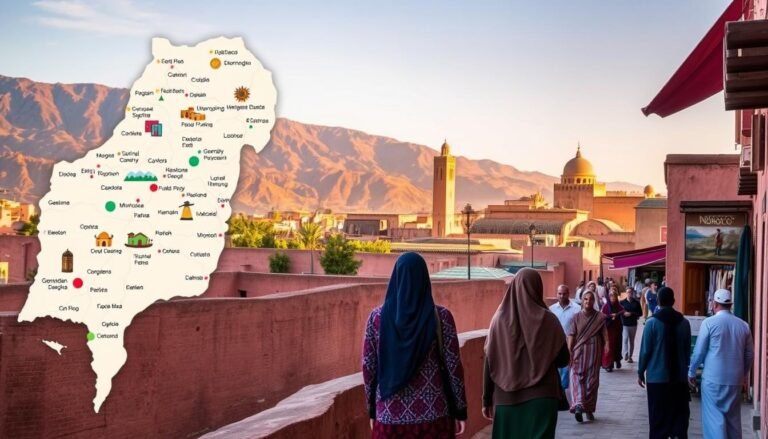
You’ll get a realistic seven-day plan that fits flights, transit, and downtime so you actually enjoy each city instead of racing through it. This guide balances big sights and easy travel time.
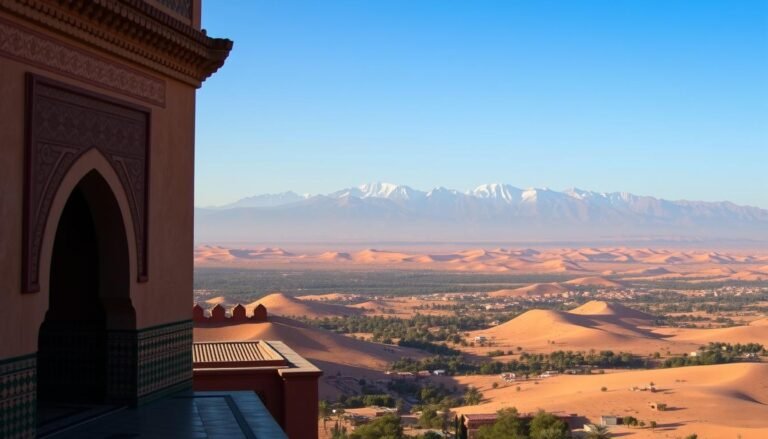
Expect highlights like Marrakech’s medina, the High Atlas landscapes, Aït Benhaddou, Todra Gorge, and Erg Chebbi’s dunes near Merzouga. Spring and autumn bring milder weather; summers get very hot inland, while coastal towns stay cooler.
What you’ll learn: when to choose tours, when to drive, how to handle haggling and local safety, and simple tech tips like buying a SIM or using an eSIM and offline maps.
Why This Ultimate Guide Helps You Make the Most of Seven Days in Morocco
This guide trims endless checklists into a compact plan that puts quality over quantity. You’ll pick fewer places and see them properly, instead of moving every single day.
Real trips show many schedules overpack the north and force constant relocation. We focus a tight route around Marrakech, the Atlas, the Sahara, and one finish option so you waste less time in transit.
- Two proven routes—coastal or imperial-north—so you choose the best way for your flights and pace.
- Clear advice on when an organised desert tour saves hours versus when self-drive gives flexibility.
- Practical sequencing to avoid common mistakes and protect evenings for relaxed exploration.
You’ll get realistic drive estimates, suggested stops, and tips that make sure your trip balances headline sights with market runs, food, and local photo spots. The result is a stronger, experience-rich week in the country.
| Focus | Benefit | Typical transit time |
|---|---|---|
| Marrakech + Atlas | Easy base, scenic day routes | 1–3 hours |
| Atlas to Sahara | Best access to dunes and gorges | 4–7 hours |
| Coastal vs Imperial-north | Choice between sea breeze or historic medinas | 2–5 hours |
morocco travel itinerary 7 days: Two Proven Routes That Actually Work
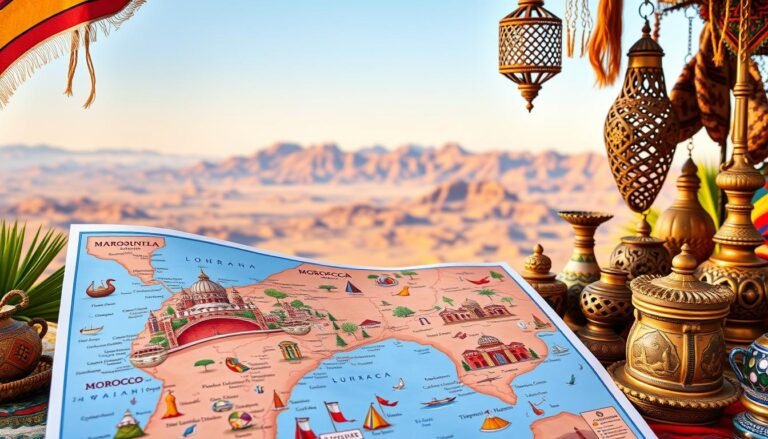
Two compact routes give you the same desert core, then diverge to either sea breezes or blue-walled medinas. This keeps travel efficient while letting you choose an ending that matches your pace and flights.
Route A: Marrakech – High Atlas & Sahara – Essaouira
This is the relaxed option. Cross Tizi n’Tichka, visit Aït Benhaddou, pass Dades and Todra, then spend 3–4 days around Erg Chebbi. Finish on the Atlantic in Essaouira for seafood and calm rampart sunsets.
Route B: Marrakech – High Atlas & Sahara – Fes & Chefchaouen
Follow the same Marrakech-to-Sahara core then head north to Fes and the Blue Pearl of Chefchaouen. Expect longer transfers—Merzouga to Fes can be ~8 hours with stops—so plan rest breaks.
- Tour vs self-drive: Multi-day Merzouga tours run ~€100–€200 and include lodging and transport.
- Car hire: Around €20/day if you want flexibility and photo stops at viewpoints.
- How to choose: Pick the option that matches your flight city, tolerance for long drives, and whether you value hands-off logistics or freedom.
| Best for | Highlights | Transit notes |
|---|---|---|
| Route A | Sea finish, relaxed pace, Essaouira buses (~€10) | Shorter final transfer; easy public buses |
| Route B | Fes culture, Chefchaouen photos, historic sites | Longer drives; Merzouga→Fes ~8 hours |
| Both | Same Sahara core, sunrise/sunset priorities | Keep two main bases + desert to avoid nightly moves |
Marrakech Kickoff: Your First Full Day in the Medina
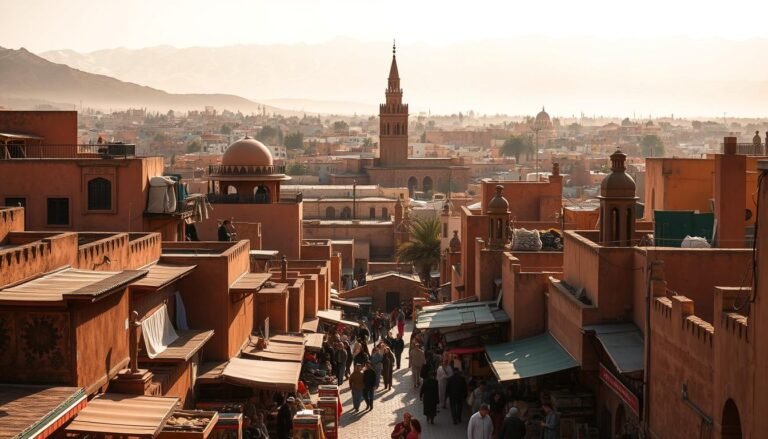
Start your first full day in the medina with a short loop that balances landmark time and free wander. Begin at Jemaa el-Fna and stroll toward the Koutoubia mosque so you catch the morning light and avoid peak crowds.
Jemaa el-Fna, Koutoubia Mosque, and the souks
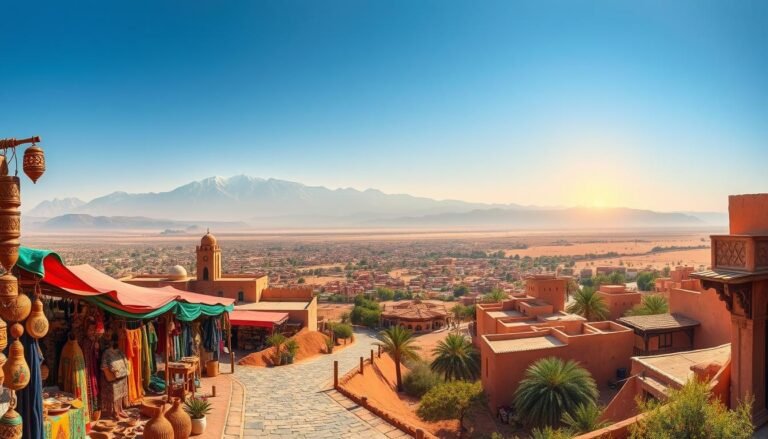
Spend the morning between the square and the mosque, then slide into Souk Semmarine and Raba Kedima. The souks fill with color, scent, and sound—expect a little chaos, so keep valuables zipped and ignore persistent helpers.
Bahia Palace and Le Jardin Secret in the afternoon
Break from the bustle at Le Jardin Secret, then plan Bahia Palace for mid-afternoon (most gates close around 17:00). Take your time to enjoy zellij patterns and carved cedar without rushing through every room.
Street food, sunset views, and easing into the city’s rhythm
Circle back to Jemaa el-Fna at dusk for street grills and performers. Find a terrace for a rooftop view, mark a clear spot to regroup if you split up, and load offline maps so you can navigate narrow lanes with confidence.
- Keep this first day light—your aim is to get your bearings and enjoy the city energy.
- If you prefer guidance, a short souk walk will teach bargains and craft sections without overwhelming you.
- Wrap up with a relaxed dinner near the square and rest for tomorrow’s museum circuit.
Marrakech Day Two: Palaces, Madrasas, and Garden Escapes
Begin your second day in Marrakech with a calm morning that focuses on craftsmanship and quiet courtyards. Start early to beat the crowds at Ben Youssef Madrasa and enjoy the intricate tilework in near-silence.
Ben Youssef, El Badi, and the Saadian Tombs
Begin at Ben Youssef Madrasa to appreciate the carvings and mosaics while it’s still peaceful. Then walk to El Badi Palace to take in the vast ruins, stork nests, and raised viewpoints.
Detour to the Saadian Tombs for dazzling tilework set in a calm garden. These places pair well in a single morning if you keep an eye on time.
Majorelle, YSL, and Gueliz breaks
Save Le Jardin Majorelle and the Yves Saint Laurent Museum for late morning or early afternoon. Make sure you pre-book tickets and check opening hours to avoid long queues.
Head to Gueliz (Ville Nouvelle) for a relaxed lunch and modern cafés. The contrast helps you absorb the culture without museum fatigue.
- Use a local guide for a couple of hours if you want deeper context on architecture and dynasties.
- Keep buffers between sites so you don’t rush; these places fit neatly in a single day when paced well.
- If you need to reset, plan a short hammam or a café stop before evening markets.
By evening you’ll have seen layered places of history and calm gardens, giving your week a richer feel beyond the souks and square.
High Atlas to Aït Benhaddou: Scenic Passes and Film-Set Fortresses
Crossing the High Atlas reveals dramatic switchbacks, quiet Berber villages, and viewpoints that change the whole feel of your trip.
The drive over Tizi n’Tichka takes about 3.5–4 hours from Marrakech. Stop at safe pullouts to catch sweeping views and to stretch your legs.
If you’re in a car, pace the journey with short photo breaks and village tea stops. Motion-sensitive travellers should take tablets before the pass; the bends are beautiful but can tire you out.
- Set out early to enjoy the mountains light and fewer buses on the road.
- Aït Benhaddou is best explored on foot—aim for the summit for a hawk’s-eye spot over the mud-brick walls.
- A guided tour streamlines parking and timing; organised day trips often run 10–12 hours round-trip.
Plan about 60–90 minutes on-site, more if you linger in artisan shops. Keep water handy and build a small time cushion in case roadworks slow the crossing.
This day links the city and desert, setting you up perfectly for the next leg of your itinerary and preparing you for the wide-open dunes ahead.
Sahara Bound: Tinghir, Todra Gorge, and the Road to Merzouga
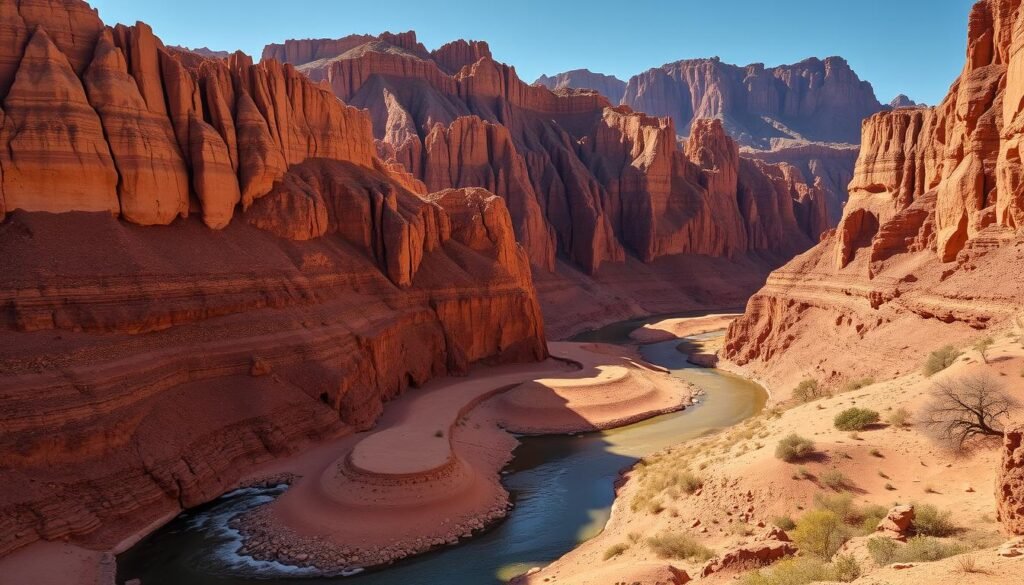
On the road toward the Sahara, the landscape softens into palm-lined valleys and rose fields that feel like a slow reveal.
Follow valley floors toward Tinghir, where oases and farming plots break the desert palette. Many tours route via the Valley of the Roses with total driving of about 5.5 hours on day three of a standard three-day tour.
Oases, rose valleys, and time in Tinghir
Spend time wandering palm groves and chatting with locals to glimpse everyday life in this area. If you’re self-driving, book a friendly guesthouse in Tinghir to keep logistics simple.
Todra Gorge highlights and early starts
Plan an early start for Todra Gorge. The narrowest sections fill fast and morning light flatters cliffs that reach up to 400 m.
- Allow about one to two hours to walk, photograph, and cool your feet in the river.
- If you’re on a tour, lodging and timing are usually pre-planned; self-drivers should guard their hours so they still have evening rest.
- Next day, continue across arid plateaus toward Merzouga, pacing the journey with tea stops.
| Place | What to do | Typical time |
|---|---|---|
| Tinghir | Palm groves, local markets, guesthouse stay | Evening to overnight |
| Todra Gorge | Walk the canyon, photography, river cooling | 1–2 hours |
| Road to Merzouga | Tea stops, open-plateau views, prepare for dunes | Several hours (next day) |
Desert Experience: Erg Chebbi Dunes, Camel Rides, and Starry Nights
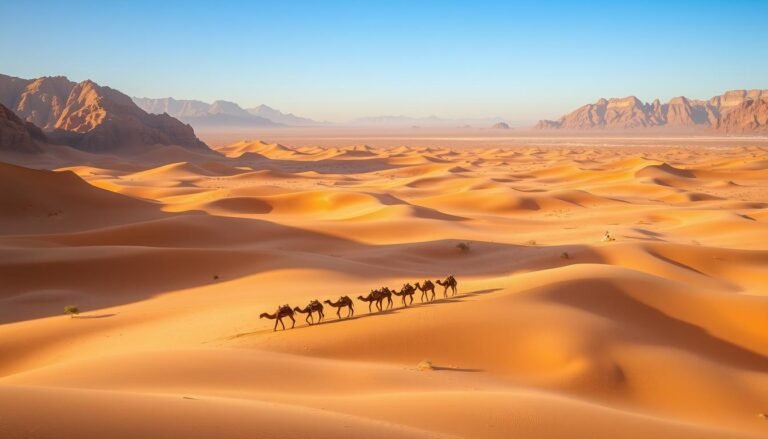
The Erg Chebbi dunes center your trip on slow moments, big skies, and quiet horizons. Choose a camp that fits how you want your night to feel—social, private, or indulgent—and plan timing around sunset and sunrise.
Choosing your camp: budget, comfort, or luxury domes
Budget camps are social and simple. You get company and a basic bed. Mid-range options add private bathrooms and more space. Luxury domes bring wide windows, better bedding, and quieter service for a lavish experience.
Sunset, music by the fire, and sleeping under the Milky Way
Time your dune walk for the golden hour. The sand glows and the ridge lines offer sweeping views that photographers love. After dinner, enjoy drumming, local songs, and the choice to sleep outside to watch the Milky Way unfold.
Practical tips: layers, sand, and cameras
- Tip: Pack a warm layer and a neck gaiter; nights get cold fast.
- Consider a camel ride in and a 4×4 out to feel the dunes two ways.
- Keep camera gear in zip bags and change lenses minimally to avoid dust problems.
- Set an early alarm for sunrise—this moment often tops the whole trip.
| Camp type | Key feature | Best for |
|---|---|---|
| Budget | Shared tents, communal meals | Friendly travellers, lower cost |
| Mid-range | Private bathrooms, quieter tents | Comfort with value |
| Luxury domes | Panoramic windows, premium bedding | Special occasions, privacy |
Coastal Option: Essaouira’s White Walls, Blue Details, and Atlantic Breeze
A coastal finish offers cool air, calm streets, and a very different pace from the desert’s wide horizons. Essaouira’s kasbah lanes and whitewashed walls with blue trim make for peaceful wandering and easy photo stops.
Souks, port lunches, and sunset on the ramparts
Wander the compact medina at a gentler pace than the big cities. You’ll find artisan shops selling woodwork, textiles, and ceramics with friendlier bargaining and less hustle.
Plan a simple port-side lunch—grilled fish and local seafood are typical and fresh. Walk the ramparts before sunset for Atlantic views and golden light along the walls.
Quad rides, camel or horseback on the dunes
If you want a short burst of activity, book a quad or a camel/horseback ride on nearby dunes. These options add light adventure without consuming a whole day.
Buses link Marrakech and Essaouira several times per day for about €10, so arriving from your last city is straightforward and cheap.
- Stay: Choose a kasbah riad for charm or an oceanfront hotel for sunset balconies.
- Timing: Leave time to browse the souks and enjoy slow food stops.
- Why go: The place is a cool, maritime counterpoint to desert silence—perfect for a relaxed final day on your trip.
| Feature | What to expect | Best for |
|---|---|---|
| Medina & souks | Woodwork, textiles, gentler bargains | Easy strolling and shopping |
| Port lunch | Fresh grilled fish by the sea | Casual food lovers |
| Dune rides | Quad, camel, or horseback short excursions | Light adventure without long travel |
Imperial Option: Fes Essentials, From Madrasas to Tanneries
Enter Fes el-Bali through the Blue Gate and plan a calm, focused day around its finest madrasas and terraces. Move inward while lanes are still quiet so you can enjoy details and avoid crowds.
Start at Bab Bou Jeloud, then visit the Bou Inania Madrasa and Al Attarine to see carved wood, plasterwork, and vivid zellij up close. Take your time at each spot to absorb craftsmanship and history.
Terraces, Tannery Views, and a Mint Strategy
Head to shops with terraces overlooking the Chouara Tannery. Pick a balcony with a good sightline and keep mint handy to ease the strong smells. A rooftop lunch here makes for a scenic break.
Why a Short Guided Walk Helps
Fes rewards a brief guide-led walk if you want context and efficient routing. A local guide points out hidden workshops and the best shops for leather and ceramics.
Finish with a slow stop at Jnan Sbil gardens or Café Clock to rest. The city’s rhythm is different from other hubs—so slow down and absorb the culture that makes these places special on your trip.
| Start | Highlight | Best for |
|---|---|---|
| Bab Bou Jeloud | Entry point, morning calm | Orientation, photos |
| Bou Inania & Al Attarine | Tilework, wood carving | Architecture lovers, short visits |
| Chouara Tannery terraces | Overlook dye pits; mint tip | Photography, rooftop lunch |
| Jnan Sbil / Café Clock | Garden breather, modern café | Relaxation after a busy day |
Chefchaouen Day Trip or Overnight: The Blue Pearl in the Rif Mountains
Chefchaouen’s blue lanes reward slow wandering and small discoveries at every turn. From Fes it takes about 3.5–4 hours by car, so plan your logistics to protect time on the ground.
Iconic photo spots and sunset views
Mark a few iconic spots, then let the alleys guide you. Hike about 30 minutes up to the Spanish Mosque for the best sunset views over the blue roofs.
Ras El Maa and practical tips
Pause at Ras El Maa on the medina edge to cool off and watch local life. If you visit as a day trip, leave early so you have enough time for photos and a café break.
- Options: self-drive or a dedicated tour give the most hours in town.
- Public buses work but will reduce your available time.
- Overnight stays reward quieter mornings and softer evening light.
- Wear practical shoes; lanes can be steep and polished.
| Choice | Benefit | Best for |
|---|---|---|
| Day trip (early start) | Quick highlights, café stops | Limited time visitors |
| Overnight | Sunrise photos, relaxed pace | Photographers, relaxed travellers |
| Guided tour | Maximises town hours, simple logistics | Those avoiding self-drive |
Transport Made Simple: Tours, Trains, Buses, and Car Hire
A clear plan for tours, trains, buses, or a hired car makes the whole trip feel smoother on the ground.
When to pick a Sahara tour vs self-drive
Book a Sahara tour if you want turn-key logistics: a driver, camp bookings, and fewer worries for long transfers. A 3‑day Merzouga circuit from Marrakech runs around €100 and covers lodging and transport.
Choose self-drive when you value freedom for photo stops and unscheduled detours. A compact car costs about €20 per day and is a cost-effective option for two or more people.
Driving the High Atlas: confidence, conditions, and timing
Drive the Tizi n’Tichka pass in daylight and at a steady pace. The bends are frequent, so allow extra hours for safe photo stops and rests.
If you doubt mountain driving, pick a guided transfer or add a night closer to the pass to reduce stress.
Using ONCF trains and intercity buses efficiently
Use ONCF trains for comfortable, fast links between major hubs like Marrakech, Casablanca, and Fes. Where rails don’t reach, intercity buses and grand taxis bridge the gap.
Marrakech–Essaouira buses cost about €10 with several departures daily. For places like Chefchaouen, a private transfer or self-drive saves valuable time on a day trip.
- In cities, use petit taxis for short hops—confirm the meter or agree a fare first.
- Check what tours include (meals, camp type, entrance fees) before you book.
- Lock in main transfers early if you split your week between two bases plus the desert.
- Always build buffer time into your plans so your schedule stays relaxed on the ground.
| Mode | Best for | Typical note |
|---|---|---|
| Guided Sahara tour | Turn-key logistics, less planning | 3–4 day circuits; ~€100 for 3‑day with transport |
| Self-drive (car) | Flexibility, viewpoint stops | ~€20/day for compact; good on main roads, Tizi n’Tichka needs care |
| ONCF train | Fast, comfortable between major cities | Use for long hub-to-hub legs; combine with buses for last mile |
| Intercity bus / grand taxi | Places off the rail network | Cheap, frequent; good for Essaouira and Chefchaouen connections |
Where to Stay: Riads, Camps, and Smart Bases in Each City
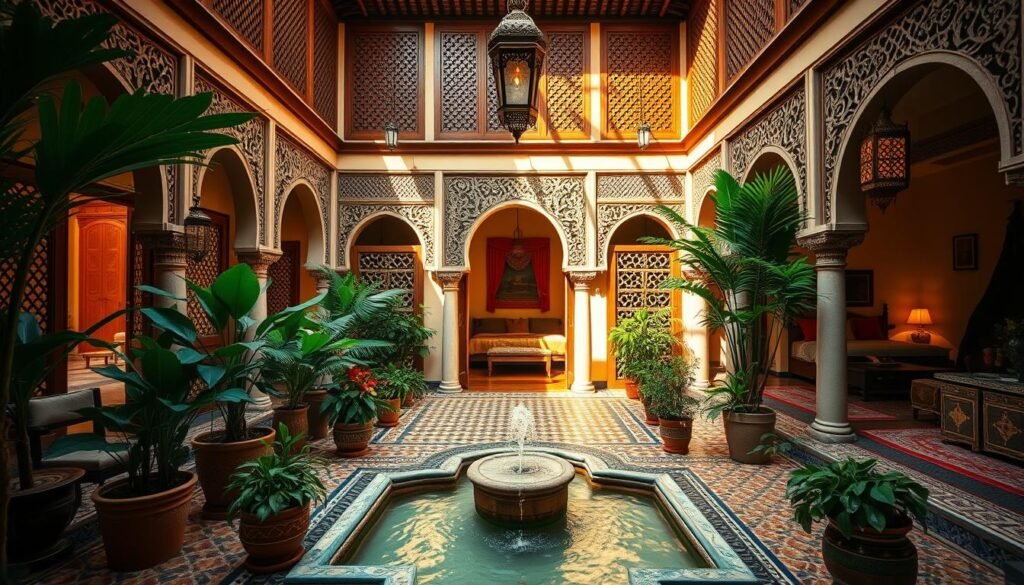
Where you sleep shapes how much of the city you actually see and how relaxed your nights feel.
Pick a base that suits your pace: lively medina corners let you step out to sights, while quieter quarters give calmer evenings.
Marrakech: A medina riad puts you steps from markets and monuments. A Kasbah address gives quieter nights without losing proximity.
Marrakech medina riads vs. Kasbah calm
Medina riads immerse you in narrow lanes and morning mint tea. Kasbah stays trade bustle for calmer streets and easier sleep.
Essaouira: kasbah charm or oceanfront
Kasbah riads feel characterful and walkable. Oceanfront hotels give breezy balconies and sea sounds for restful evenings.
Desert camps around Merzouga
Choose by vibe: social budget tents, mid-range with en-suite comfort, or luxury domes with panoramic views. Many tours include camp accommodation.
Fes riads inside Fes el-Bali
A riad inside Fes el-Bali saves time to reach Bou Inania and the tannery terraces on foot. Typical stays include mint tea and a courtyard breakfast.
- Scan amenities: rooftop terraces, small plunge pools, and on-site hammams add to the sense of place.
- For one-night stops, prioritise simple check-in and staff who arrange early breakfasts or transfers.
- Book cancellable rates for flexibility if road timing might change your trip.
| Location | Type | Main benefit |
|---|---|---|
| Marrakech medina | Riad | Steps from souks; authentic feel |
| Essaouira | Kasbah riad / Oceanfront hotel | Character or sea views |
| Merzouga | Budget / Mid / Luxury camps | Defines your desert night experience |
| Fes el-Bali | Riad | Walkable access to madrasas and tanneries |
Eat and Drink: Tagines, Mint Tea, and Markets You’ll Love
Let the city’s flavours pace your day. Mix quick bites and slow meals to keep energy up and to learn local food habits without rushing your schedule.
Marrakech staples near the souks
Near the souks, balance street-side snacks with rooftop lunches for views and a sense of place. Try Café des Épices or NOMAD for modern takes, and L’Mida or Amal Center for generous riad-style meals.
Come evening, Jemaa el-Fna’s grills are a classic—join a street-food tour if you want confidence ordering and a guided stroll through the bustle.
Fes food tours and cooking classes
In Fes, book a morning food tour through Fes el-Bali to sample briouats and sfenj. Shop for spices and then learn to cook a tagine in a riad kitchen with hands-on guidance.
Expect mint tea to anchor your time—it’s offered warmly across riads, markets, and cafés. Fresh juices and coffee are great mid‑day pauses.
- If you’re vegetarian, ask for vegetable tagines, couscous, and salads; guides point to reliable kitchens.
- Embrace non-alcoholic options—alcohol is limited and often pricey.
- Use mealtimes to plan your next place to visit and keep your trip flowing smoothly.
| City | Best for | Tip |
|---|---|---|
| Marrakech | Rooftop views & street grills | Try a guided evening food walk |
| Fes | Market flavours & cooking classes | Book a morning tour for freshest stalls |
| General | Mint tea & seasonal markets | Chat with vendors to learn local recipes |
Culture, Safety, and Scams: How to Enjoy the Chaos
Crowds, calls from shopkeepers, and impromptu helpers are all normal; handle them with a calm plan. A little preparation helps you enjoy the buzz without stress.
Haggling, “helpful guides,” and sticker-price myths
Haggle with a smile and treat negotiation as part of the fun. Many shops list no fixed price, so start low and meet halfway.
Make sure you politely decline unsolicited “guides” who offer directions. Use offline maps to find your way and avoid drawn-out chats that start to feel pushy.
Dress code, language basics, and respectful behavior
Cover shoulders and knees to blend in; you’ll feel more comfortable in crowded city squares.
Learn a few French or Arabic phrases — a simple hello or thank you goes far in shops and cafés.
- Keep valuables zipped and close; pickpockets favour busy spots.
- Tip small amounts for clear help, but set boundaries kindly.
- Walk with purpose when you browse; it reduces unwanted attention.
| Scenario | Action | Why it helps |
|---|---|---|
| Haggling | Start low, smile | Shows respect for local custom |
| Unsolicited help | Decline, use offline maps | Avoids time drains and confusion |
| Crowded square | Secure bags, stay alert | Reduces pickpocket risk |
Best Time to Visit, What to Pack, and Staying Connected
Good planning around seasons, layers, and connectivity keeps your days flexible and your nights warm. Aim your itinerary for spring (March–May) or autumn (September–November) for mild weather across cities and the desert. Summers get very hot inland, while coastal towns stay breezier.
Packing for changing conditions:
- Pack layers: a fleece or light jacket for Atlas mountains evenings and cold Sahara dawns.
- Bring a scarf to buffer wind and sun, plus good footwear for uneven medina lanes and mountain paths.
- Include a power bank and universal adapter so your phone is ready for maps and tickets during long hours on the road.
Seasonal tips:
- Aim for spring or autumn to balance comfortable city days with manageable desert temperatures.
- If you must go in summer, make sure you build in siestas and use early morning and evening hours for walking tours.
Staying connected: Buy a local SIM from Maroc Telecom, Inwi, or Orange, or use an Airalo eSIM. Cafés often offer Wi‑Fi, but download offline maps like MAPS.me before you leave so medina alleys stay navigable without signal.
| Topic | What to do | Why it helps |
|---|---|---|
| Season | Spring/Autumn | Comfortable temperatures for city and desert |
| Packing | Layers, good shoes, sun protection | Handles cold nights and hot afternoons |
| Connectivity | Local SIM or eSIM + offline maps | Coordinates pickups and navigates tight alleys |
Final tip: carry a small daypack with a zip cover to keep essentials secure while you move between sites. This simple setup saves time and keeps your trip running smoothly.
Budgeting Your Week: Tours, Stays, Food, and Extras
Estimate your weekly spend early so you can enjoy smart splurges without losing sleep over last-minute costs.
Sample mid-range baseline: expect accommodation of about $50–100 per night in boutique riads or small hotels. Plan food at roughly $25–50 per day, and activities like guided walks or a hammam at $20–50.
Transport typically runs $20–40 per day for trains, private taxis, or short intercity hops. If you rent a car, budget ~€20/day for a compact plus insurance and parking fees.
Desert tours from Marrakech often cost ~€100 for a 3‑day group circuit. These can save you time and logistics compared with self-drive fuel and camp fees.
- Plan a mid-range budget that covers comfortable accommodation, a couple of guided tours, and daily meals without stress.
- Expect to splurge for one special night in a nicer camp—upgrading the desert night is often worth it for warmth and privacy.
- Keep a small cash reserve for tips, markets, and last-minute taxis when your feet have had enough.
- Book cancellable stays early in busy cities—time saved searching late usually outweighs small rate differences.
| Expense | Typical mid-range | Why it matters |
|---|---|---|
| Accommodation | $50–100 per night | Comfort without luxury; local riads offer character and central location |
| Food | $25–50 per day | Mix of street bites and rooftop dinners keeps costs balanced |
| Activities | $20–50 per day | Guided tours, museum entries, and a hammam add context and value |
| Transport | $20–40 per day (or ~€20/day car hire) | Trains and buses are cost-effective; car adds flexibility but factor insurance |
Ready to Visit Morocco? Map Your Seven-Day Journey and Go
Lock in the big pieces first—your desert night, mountain crossing, and a central riad—then let smaller surprises fill the gaps. ,
Map your week so medina mornings and palace visits (including Bahia Palace) sit early, Atlas Mountains drives occur in daylight, and dune sunrise is secured.
Book a tour for the Sahara if you want turn-key logistics, or keep a car for photo stops and freedom. Use a SIM or eSIM and offline maps to avoid unsolicited guides and to protect pickup times.
Finish where you relax best: Essaouira’s ramparts or Fes with Bou Inania Madrasa and tannery terraces. Pack layers, guard valuables in souks, and add one small activity each night—cooking class, roof-spot at sunset, or a short guided walk—to turn a short trip into a lasting experience.