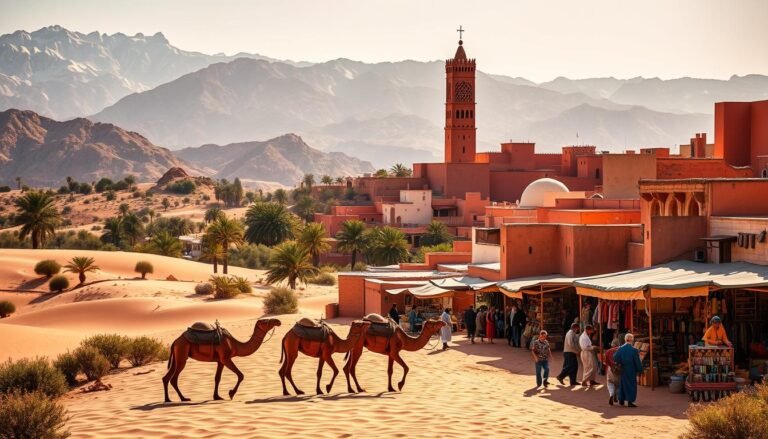
Create Your Perfect Morocco Travel Itinerary
Did you know UK visitors can stay visa-free for up to 90 days? That fact alone changes how you plan a one-week or two-week trip across a country with Atlantic and Mediterranean coasts, the Atlas mountains, and Sahara dunes.
This short guide gives you a clear way to blend cities, mountains, and desert so each day feels full without rushing. You’ll learn the best time to go, sensible ways to move around (train, bus, taxi, car), and how to structure 7, 10, or 14 days.
You’ll also get practical tips for navigating medinas, bargaining in markets, and choosing a place to sleep that feels authentic. Expect friendly, honest advice on when a tour adds value and when to go independently.
By the end of this guide, you’ll have a simple, confident plan that saves time, avoids fake guides, and highlights the photographer-loved corners and calm coastal breezes that make the experience special.
What this Ultimate Guide Helps You Plan Right Now
Start with the essentials: what to reserve, what to leave flexible, and how to shape each day so you feel calm and in control.
Use this guide to learn which things to book ahead — flights, a few riads, and desert camps — and what you can sort on the day. You’ll get clear advice on how much time to give each stop so your trip feels relaxed, not rushed.
See the smartest way to link big hubs like Marrakech, Fes, Casablanca, Tangier, and Essaouira without backtracking. You’ll also get plain-English breakdowns of trains, buses, taxis, and self-drive to pick the way that suits your budget and comfort.
- Where people lose time and how to avoid queues and confusing medina turns.
- Plug-and-play sample routes for 7/10/14 days you can tweak.
- Practical booking tips for sites, hammams, and ethical desert options.
By the end, you’ll know how to pace each day with quiet mint-tea stops and viewpoint breaks that add texture to your itinerary.
Morocco at a Glance for Trip Context
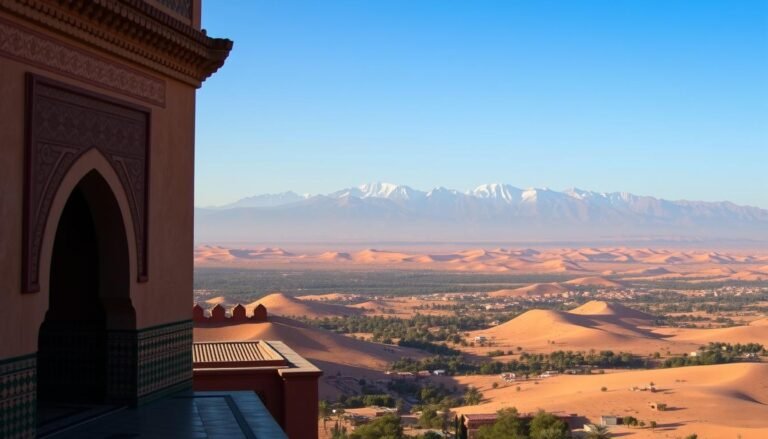
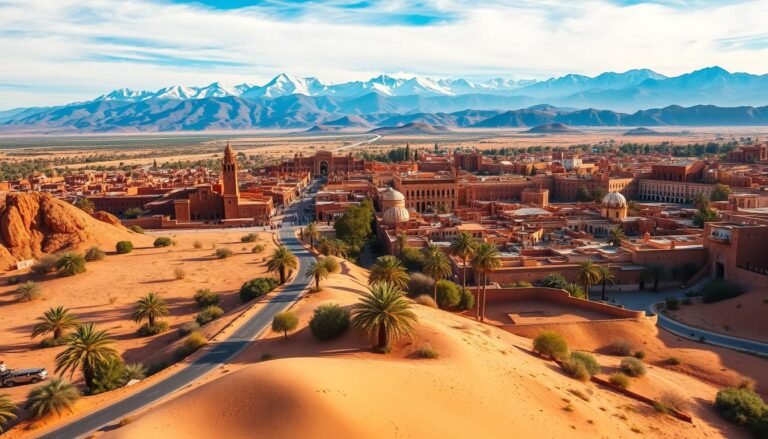
Picture a land where Atlantic winds, mountain switchbacks, and Sahara skies can all fit into a single day’s plan. That variety is thrilling, but it changes how you should think about pace and planning.
Landscapes: You’ll move through Alpine-like Middle Atlas ridges, historic medina cores, coastal breezes, and arid dune edges. Microclimates shift fast — cool mornings in the mountains, dry heat near Merzouga, and fresh air on the coast.
Travel pace: Smooth motorways link major cities, yet mountain passes such as Tizi n’Tichka, checkpoints, and scenic stops slow you down. Inside a medina you’ll move at walking speed; allow extra time for wandering lanes, chats, and photos.
- Picture one country where a morning by the sea can end in desert sand by night — that adds real time between stops.
- People often pack too many places into a day; pick fewer stops and stay longer to see more.
- Anchor a city base and add half-day excursions; think in experiences, not distance.
Plan with buffers for lunch, fuel, and light-hunting if you like photography — those minutes often become the moments you remember.
Best Time to Visit and How Many Days You Really Need
Choosing the right time and the right number of days matters more than packing every landmark into your schedule. Spring (March to early May) and autumn (September to November) give the most comfortable day temperatures. That means easier city walks, Atlas viewpoints, and pleasant desert evenings.
When to go: spring and autumn sweet spots
Spring and autumn avoid extreme summer heat and mid-winter cold. Coastal places stay breezier in summer, while inland cities like Fes can hit highs near 45°C. Winters are crisp in the mountains and can be cold at desert night.
How long: 7, 10, and 14 days compared
Pick the number of days that matches your pace and the amount of road time you accept. A shorter trip wins when you cut places, not experiences.
- 7 days: One or two hubs plus a short desert or coast add-on. Focus beats frantic transit.
- 10 days: Pair an imperial city with a Sahara or coastal leg. More breathing room between days.
- 14 days: Spread time across cities, mountains, and dunes for a relaxed, layered visit.
| Trip length | Typical focus | Why it works |
|---|---|---|
| 7 days | 1–2 cities + short desert/coast | Minimal road time; feels achievable |
| 10 days | Imperial city pairing + Sahara/coast | Balanced pace; room for day trips |
| 14 days | Cities, Atlas, dunes, coast | Leisurely pace; deeper cultural time |
| Summer vs Winter | Heat lovers vs cool-mountain fans | Plan early/late day activities or pack warm layers |
Flying from the UK: Easiest Gateways and Typical Costs
Picking the right airport can save hours of road time and help you start your days relaxed. From direct flights to seasonal services, your arrival point shapes the first stop, the hotel you choose, and how much of the day you get to enjoy.
Airports to target and what they offer
Direct routes from the UK commonly serve Marrakech (RAK), Fes (FEZ), Tangier (TNG), Casablanca (CMN), Rabat (RBA), and seasonally Agadir (AGA).
Casablanca brings easy access to the Hassan II mosque. Marrakech drops you close to Jemaa el-Fnaa square. Agadir is the coast pick for beach days.
Carriers and price ranges
- Ryanair, easyJet, and British Airways dominate routes and schedules.
- Low season one-way fares often run £50–£100; expect higher prices in school holidays.
- Flight tips: aim for open-jaw tickets to avoid backtracking and choose midday arrivals so you can check into your hotel, have lunch, and enjoy a relaxed first afternoon.
| Gateway | Best for | Typical one-way low-season fare |
|---|---|---|
| Casablanca (CMN) | Major hub, mosque visits | £60–£120 |
| Marrakech (RAK) | City sights, squares, riads | £50–£110 |
| Fes / Tangier | North-focused itineraries, fewer daily flights | £70–£140 |
| Agadir / Rabat | Coast or quieter capital arrival | £60–£130 |
Smart Ways to Get Around: Train, Bus, Taxi, or Car
Good transport choices save hours and keep each day feeling relaxed. Pick the right way for each leg and you’ll spend more time exploring and less waiting.
ONCF trains: routes, classes, and booking tips
ONCF runs fast intercity trains linking Marrakech, Casablanca, Rabat, Fes, and Tangier. They’re the best way for big city hops when you want reliable time and comfort.
Book online in advance, but note the site is in French. If a ticket machine rejects your foreign card, buy at the counter — agents handle cards smoothly.
Long-distance buses: CTM vs Supratours
CTM offers modern, comfortable coaches across the country. Supratours (ONCF-run) often has more departures and stations closer to medinas, which saves you time on arrival.
Petit vs Grand taxis: when each makes sense
In a city, hail a petit taxi and agree the fare first — they’re fast and beat the stress of parking. For intercity legs, hire a grand taxi; you can pay extra to keep it private for quicker point-to-point travel.
Driving yourself: road quality, one-way rentals, and passes
Renting a car gives you control of your day and scenic stops en route. Roads are generally good; fuel and food are easy to find along main routes.
If you cross the High Atlas via the Tizi n’Tichka pass, allow extra time for bends and photo stops. Consider a one-way rental (pick up in one city, drop in another) to make your route a neat line instead of a loop.
- Quick tips: Use trains for fast city links, choose Supratours for medina access, agree petit taxi fares, and rent a car for flexibility on long road days.
Entry, Connectivity, and Money: Visa, SIM, and Currency Basics
Start by locking down entry rules, a local SIM, and payment options so your first hours at the airport are calm. UK citizens enjoy visa-free stays up to 90 days; officials may ask for proof of onward travel, so keep a return ticket handy.
SIMs you can buy on arrival include Inwi, Orange, and Maroc Telecom. For long road days, Inwi often gives the strongest 4G outside big towns. A common plan is ~20GB with unlimited minutes for about 200 MAD.
ATMs are widespread, but some kiosks reject UK cards. Carry a backup card and some cash. Many riads prefer cash or charge for cards, so small MAD notes speed transactions in any city.
| Need | Best option | Practical tip |
|---|---|---|
| Entry | Passport + return ticket | 90-day visa-free rule for UK citizens |
| Connectivity | Inwi / Orange / Maroc Telecom | Inwi for long road coverage; buy at airport |
| Payments | ATMs + backup card + cash | Keep small bills for taxis and snacks |
| Car users | Fuel stations accept cash & cards | Use bank app to approve transactions before travel |
Culture, Dress, and Etiquette You’ll Appreciate
How you dress and behave shapes the way you are welcomed in each city and village. A few simple choices keep you comfortable and show respect at any site.
What to wear in public places
Cover shoulders and knees in medinas and rural areas. Breathable layers of cotton or linen work best as temperatures change through the time of day.
Women often find a long skirt or dress plus a light scarf useful. In relaxed hubs you can be less formal; in conservative areas aim for modesty.
Hammam etiquette and respectful photography
Hammams follow a routine: warm rooms, buckets, black soap, and scrub—bring flip-flops and a small zip bag for your things.
- Ask permission before you photograph people and avoid shooting during prayer or private moments.
- Tipping attendants is customary; book ahead for authentic classic options like Hammam Moulay Idriss.
- When in doubt, follow the local way—small gestures matter and often lead to warmer interactions in any place.
Common Scams and Street Smarts to Keep You Relaxed
A few simple habits prevent most scams and make your trip smoother. Stay aware in busy squares and known tourist stops where aggressive helpers cluster. Licensed guides wear badges and won’t pressure you; if someone insists on leading you, smile and move on.
Taxi and shopping tips: Always confirm a fare before you go and carry small notes. Avoid being steered to roadside co‑ops that push carpets or argan products; pick shops in busy medina streets where prices and quality are easier to compare.
Police and road checks are routine. Speed limits in towns range from 20–60 km/h and cameras or officers often appear near intersections. Follow limits and keep documents handy to avoid fines and delay.
- If a tannery or complex looks confusing, ask your riad to book an official guide so you enjoy the visit without hassle.
- Choose central restaurants over isolated highway food stops—safety and value are usually better.
- Use a firm, polite “No, thank you” to keep your time and plans your own.
| Issue | Likely spot | Simple fix |
|---|---|---|
| Fake guide | Jemaa el-Fnaa, tanneries, kasbahs | Look for badge, or decline and ask your riad |
| Taxi overcharge | Outside stations and airports | Agree fare or use meter; carry small notes |
| Highway food scams | Isolated bus stops on road | Stop in town centres for better food and price |
| Speeding fines | Road approaches to towns | Observe limits; keep documents visible |
Where You’ll Love Staying: Riads, Hotels, Desert Camps
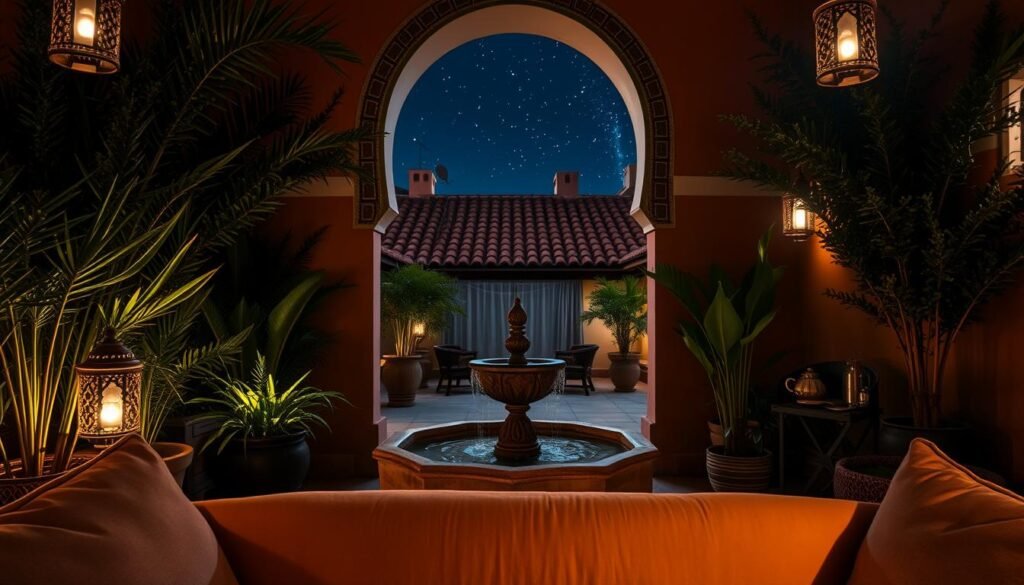
Choosing the right base affects every day of your trip. A riad, a small hotel, or a desert camp can change how you use your time and how well you sleep at night.
Riads near the medina offer intimate service and strong design. Pick one on the medina edge or down a quiet alley. That way you stay close to the action but avoid late-night noise. Riad Ksar Al Amal in Marrakech is praised for service, early check-in, and a generous breakfast.
How to pick a riad or city hotel
Ask about arrival logistics and porter help so your first day starts smoothly. Filter reviews for noise at night, water pressure, and breakfast timing. Book one standout place for two nights and a simpler spot for one to balance budget and comfort.
Choosing a desert camp the right way
Desert camps vary widely. Before you book, confirm heating, bedding thickness, and wet‑weather plans. Ask if transfers are 4×4 in/out or camel-only — that choice reshapes your day.
- Check animal-care and ethics; good camps are open about standards.
- Confirm saddle quality if you’ll ride; ask about alternatives.
- Keep checkout time flexible so you can enjoy a last mint tea on the terrace.
| Stay type | Key question to ask | Why it matters |
|---|---|---|
| Riad | Is it on the medina edge? Porter service? | Quiet nights, easy access to the city sights |
| Hotel | Early/late check-in and breakfast time? | Controls your day rhythm and arrival comfort |
| Desert camp | Heating, transfers, animal-care policy? | Comfort at night and transparent operations |
Marrakech Highlights You Shouldn’t Skip
A good morning in Marrakech mixes palaces, small museums, and a calm garden before the medina warms up. Start at Bahia Palace to admire painted rooms and courtyards — it truly merits the hype and is an easy site to visit early.
From there, cross to Dar El Bacha and add your name for the café if it’s busy. Le Jardin Secret follows as a quieter alternative to busier gardens and photographs beautifully. Plan your time so you move from calm to lively areas across the day.
- Walk Souk Semmarine, then slip into side alleys where leather workshops and lamp makers work behind stalls.
- Drift through the square at sunset for Koutoubia mosque views; it’s about atmosphere rather than food, so plan lunch elsewhere.
- Go first to Ibn Youssef Madrasa — an hour in the morning shows its courtyards before crowds arrive.
- House of Photography offers a rooftop view that rewards anyone chasing light and city panoramas.
- Pause mid-afternoon for mint tea in a riad café; that break resets you after hours in the souks.
Shopping tip: be friendly but firm when you bargain. People respect a calm counteroffer and a smile — it’s the best way to leave happy on the day.
Fes Essentials: Medina Masterclass and Tannery Views
Start your day in Fes by stepping into centuries of craft, where carved stucco and cedar frames set a clear rhythm for what follows.
Madrasas and the Nejjarine Museum
Begin at Medersa el Attarine and Bou Inania to absorb 14th-century tile and woodwork. Check entrance hours and carry small change for quick access.
Walk next to the Fondouk Nejjarine. The woodworking displays show regional skill and make a calm stop before souks fill up.
Tanneries, leather shopping, and ethical choices
View the tanneries from terraces where mint sprigs are often handed out to ease the smell. Pick workshops that explain sourcing and stitching.
If you plan to buy leather, a short chat with an official guide helps you spot quality over fast-sell items.
Classic hammams and practical pauses
Book a hammam slot in advance—Hammam Moulay Idriss is praised for authenticity and fewer crowds. Bring flip-flops and expect a thorough scrub that lifts the dust of the day.
Take a tea break in a courtyard café and plan a light lunch of salads and grilled dishes to keep energy up. End your day near Bab Bou Jeloud as the light softens; it’s a reliable landmark to find your way back to the riad.
| Site | Best time | Quick tip |
|---|---|---|
| Medersa el Attarine | Morning | Check entrance hours; arrive early |
| Nejjarine Museum | Late morning | Great for photos and shade |
| Tanneries | Midday | View from terraces; accept mint |
| Hammam Moulay Idriss | Afternoon | Book ahead; bring flip-flops |
The Sahara and Atlas: Dunes, Gorges, and Desert Nights
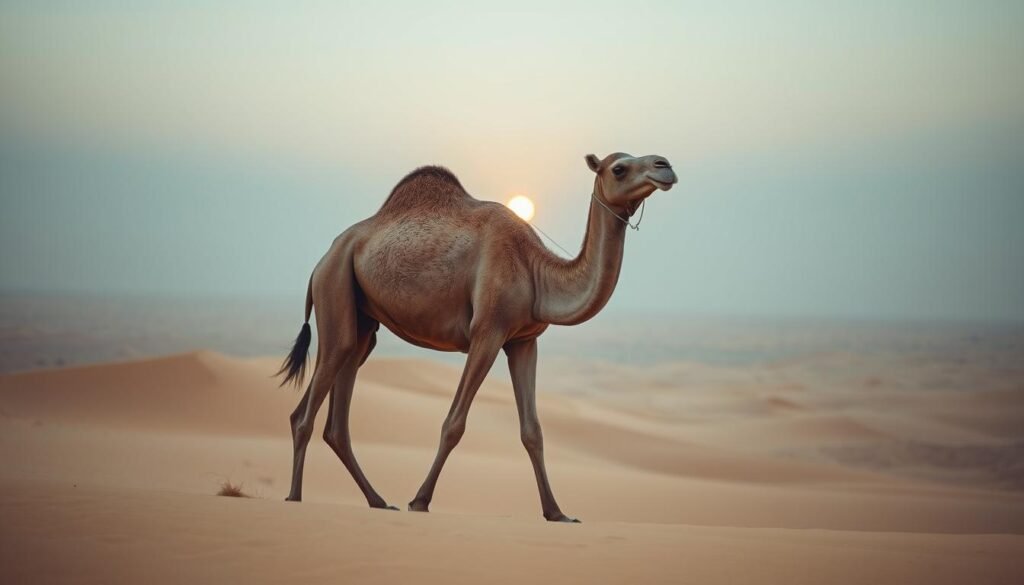
Plan the desert leg around sunrise and sunset — those hours make the dunes glow and the gorges sing. Build your route so each stop has time to breathe and you avoid long, tired drives late in the day.
Erg Chebbi vs Erg Chigaga
Erg Chebbi (Merzouga) sits at the end of paved roads. CTM buses and grand taxis reach the nearby village, then camel rides or 4x4s take you to camps. Erg Chigaga is wilder: expect the last hours by 4×4 over sand tracks from M’hamid or Zagora.
Drive the roads to Todra to walk beneath vertical walls and watch climbers. In Dades, stop at the switchback viewpoint and the palm valleys below. Pause at Ait Benhaddou to climb lanes and photograph the ksar at golden hour.
- Expect several hours on the road between major points; plan scenic stop breaks to keep energy high.
- Camel rides usually run 45–90 minutes; shorter rides plus a 4×4 transfer save time on tight trip days.
- Pack layers for wind and cold; winter nights are cold, and your car will collect fine dust.
| Site | Access | Why pick it |
|---|---|---|
| Erg Chebbi | Paved road, buses, taxis | Easy access, more camp choices |
| Erg Chigaga | 4×4 over tracks | Remote, wilder dune experience |
| Todra / Dades | Road access | Short walks, dramatic gorges |
Ethical Experiences: Camel Welfare, Tours, and Alternatives
A responsible approach to desert activities keeps animals comfortable and your plans stress-free. Before you book, look for clear signs of good care and honest answers from the operator.
How to assess camel care on the spot
Check animals quickly: clear eyes, steady gait, soft padded saddles, and no tight jaw ropes. Ask the handler about feed, rest cycles, and the amount of time each camel works.
If something feels wrong, speak up. A respectful operator will adjust tack or offer alternatives without pressure.
4×4 transfers, walking the dunes, and Agafay options
Choose a 4×4 transfer or walk parts of the dunes to reduce strain on camels. A short sunset ride plus a walk can be a kinder way to enjoy the landscape.
Near Marrakech, Agafay gives rocky desert views within an hour on the road. It’s a good way to get the atmosphere without a long drive or animal use.
- Ask your guide to state the exact amount of riding time before you pay.
- In poor weather, request ponchos, shorter rides, or a vehicle option for that day.
- Remember: you can always say “no” — your safety and values matter more than any preset plan.
| Option | Best for | Quick note |
|---|---|---|
| Camel ride | Short sunset experience | Inspect tack; limit riding time |
| 4×4 transfer | Less animal impact | Handles dirt road well |
| Agafay visit | Close, rocky desert feel | Great for a short day trip |
Coastal Interlude: Essaouira’s Ramps, Boats, and Breezes
A coastal stop like Essaouira gives you a clear break from inland heat. The walled town opens onto Portuguese ramparts that meet the Atlantic and a harbour where fishing boats land fresh catches each morning.
Argan cooperatives, seafood lunches, and sunset walls
Wander the ramparts and watch waves crash below, then head into a calm medina that feels easy to navigate. The town’s relaxed city mood makes it a good place to slow down for a day.
- Stop at an argan cooperative to see oil pressed by hand; on the drive you may spot goats in argan trees.
- Plan a fresh seafood lunch by the harbour: pick your fish, agree the price, and enjoy simple grilled food.
- Time your wall walk for late afternoon when blue boats and stonework glow in golden light.
- Spend a day learning a craft or trying a windsurf lesson — the windy coast invites unhurried things to do.
If you’re driving, pull off at roadside viewpoints for quick photos. Choose a place near the main gate for easy parking so you keep medina charm close at hand.
morocco travel itinerary: Sample 7, 10, and 14-Day Routes
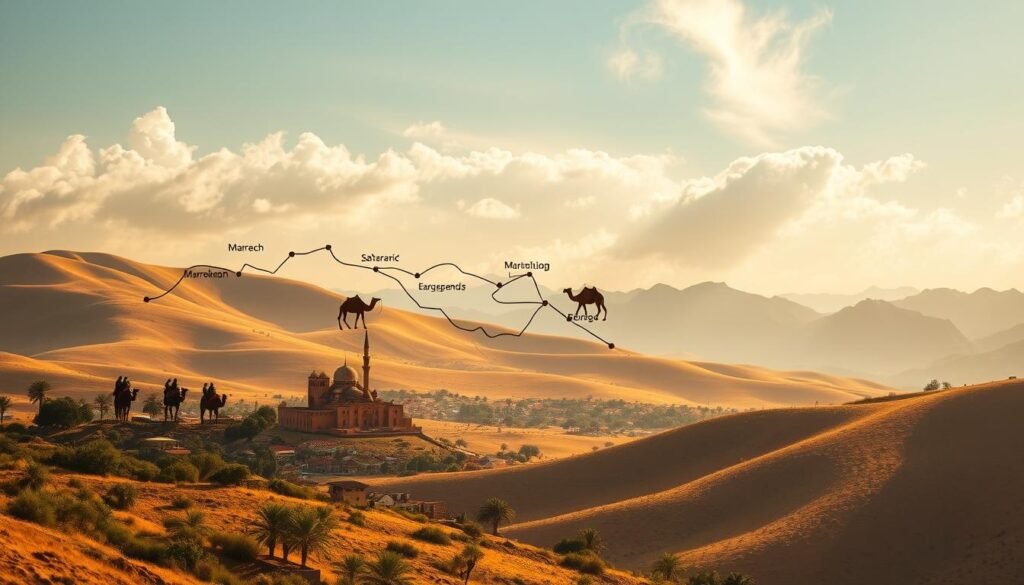
Plan each day so you swap big drives for fuller local moments rather than long, weary transits. Below are three compact route ideas that show a simple way to spend your days without racing the clock.
Seven days: Marrakech focus with a desert teaser
Anchor in Marrakech for most of your trip. Spend mornings at Bahia Palace and Dar El Bacha, and an afternoon in the square and souks.
Set aside a half-day Atlas loop or an Agafay sunset to keep road hours low. If you prefer the coast, swap one night for Essaouira — argan trees dot the road and the medina is easy to visit.
Ten days: Casablanca to Marrakech via Fes and dunes
Begin in Casablanca for the Hassan II mosque, pause in Rabat, then stay a full day in Fes to explore the medina and the tanneries with an official guide.
Cross the Middle Atlas toward Midelt, then to Merzouga (Erg Chebbi) for a sunset camel ride and a night in camp. Expect 4–5 hours on some road segments, then continue via Dades and Ait Benhaddou to finish in Marrakech.
Fourteen days: Imperial cities, Rif blues, valleys, and coast
Take a wider loop that adds Tangier and Chefchaouen before you head to Fes. Move through Ifrane and Azrou in the Middle Atlas and then south toward Merzouga.
From the dunes, follow the Dades valley to Ouarzazate and Ait Benhaddou. End with time in Marrakech and a relaxed coastal stop in Essaouira to balance town and shore.
- Practical notes: plan longer transfers in daylight and allow 3–9 hours on fuller road days.
- Use an open-jaw flight and a one-way car hire to avoid doubling back and to save time.
- Book key tours and one guided medina walk ahead, and keep one flexible day to absorb surprises.
| Length | Core focus | Why it works |
|---|---|---|
| 7 days | Marrakech + Agafay or Essaouira | Low road time; rich city days |
| 10 days | Casablanca → Fes → Merzouga → Marrakech | Balanced city, desert, and road sections |
| 14 days | Imperial cities, Rif, Atlas, dunes, coast | Leisurely pace; varied landscapes |
Your Practical Packing List, Budget Moves, and Time Savers
A few simple kit choices save you hours and make every visit smoother. Below are compact, practical tips to keep your days calm, your budget sensible, and your energy up.
Layers, scarves, dune-ready gear, and power tips
Pack layers: a light scarf, sun protection, and a compact windbreaker. Dunes and mountain passes can chill at odd times of day.
Bring a universal adapter, power bank, and dust sleeves for cameras. Those small items make tea stops and photo pauses quicker.
Buy a local SIM at the airport—expect ~200 MAD for 20GB—and test it before you leave the counter.
Bargaining basics, entrance fees, and guided add-ons worth it
Keep small MAD notes for entrance fees, taxis, snacks, and market buys. Card machines work but can fail, so cash saves time.
Bargain kindly: offer half to a third, smile, and be ready to walk—there are always other places nearby.
Book guided add-ons when they save time or unlock context: Fes medina, Ait Benhaddou walks, or a focused photography tour.
| Item | Typical cost / tip | Why |
|---|---|---|
| SIM | ~200 MAD / 20GB | Test data at the airport |
| Car rental | ~£500 / 10 days | Full insurance; check spare & record condition |
| One-way car fee | ~£25 surcharge | Plan drop-off to save time |
Ready to Craft Your Perfect Route and Sip That Mint Tea
You can shape each day so aimless wandering down lantern-lit lanes ends in a perfect wall-side sunset.
Make the last day in every city a small celebration. Return to that square view, the souks you loved, or the courtyard café for one more mint tea.
Keep your way flexible and hold one floating day so your trip absorbs surprises without stress. On long transfers, expect less and enjoy a good meal, a scenic stop, and an easy arrival.
If logistics feel heavy, pick targeted tours that add real value and skip the rest. Trust your pace; a little less in the plan often becomes a lot more in memory.
Now build your itinerary while details are fresh. Pour the last mint tea, lock in dates, and your days will start belonging to the places you set out to love.